Japan is one of the safest countries in the world, which leads many visitors to skip travel insurance. The real risks are not crime but medical bills, typhoons, earthquakes and a ski accident.
This post contains affiliate links. We may earn a commission if you book through them. How we make money.
Quick answer
Yes, get it. Visitors pay the full cost of medical care in Japan, and a hospital stay can run to thousands of dollars. Choose a policy with at least $100,000 of emergency medical cover and medical evacuation, plus trip delay and cancellation cover for typhoons and earthquakes. Add winter sports cover if you will ski or snowboard. A basic policy for a two-week trip usually costs between $40 and $120.
Why insurance matters in Japan
Japanese healthcare is excellent, but its public insurance only covers residents. As a visitor, you pay the full price, and some hospitals ask for payment or proof of insurance before treatment. Each year, a number of foreign visitors leave large hospital bills unpaid, and Japan’s government has discussed making travel insurance a condition of entry. As of late 2026 it is not compulsory for most short-stay visitors, but it is strongly recommended by the Japan National Tourism Organization.
Japan also has natural risks that can disrupt a trip: typhoons from August to October, heavy snow in the north in winter, and earthquakes at any time. Flights and Shinkansen services are canceled when these hit, and insurance can cover the extra nights and new tickets.
What medical care costs visitors
| Situation | Approximate cost |
|---|---|
| Clinic visit for a minor illness | ¥5,000–¥20,000 ($35–$130) |
| Emergency room visit with tests | ¥30,000–¥100,000 ($200–$650) |
| Broken bone with X-rays and cast | ¥50,000–¥200,000 ($330–$1,300) |
| Hospital stay with surgery | ¥1,000,000–¥5,000,000+ ($6,500–$33,000+) |
| Medical flight home | $20,000–$100,000+ |
These are broad estimates. Some hospitals charge foreign visitors more than the standard insured rate, sometimes double. Costs depend heavily on the hospital and treatment.
The coverage you need
- Emergency medical: at least $100,000; more if you are older or have a health condition.
- Medical evacuation and repatriation: covers a medical flight home if needed. Look for $250,000 or more.
- Trip cancellation and interruption: pays back non-refundable bookings if you or a close family member falls ill before or during the trip.
- Travel delay: pays for meals and hotels when flights are delayed or canceled, for example by a typhoon. Check the minimum delay, often 6 or 12 hours.
- Baggage and personal items: useful but less critical; lost items are often returned in Japan. Check the single-item limit if you carry a camera or laptop.
- 24-hour assistance line: a phone number that can find an English-speaking hospital and guarantee payment directly. This is often the most useful part of the policy.
Compare policies for Japan
See prices for medical, delay and winter sports cover for your dates.
Coverage that depends on your trip
Skiing and snowboarding: standard policies often exclude winter sports. If you are going to Niseko, Hakuba or any other resort, add winter sports cover, and check whether off-piste or backcountry skiing is covered. Ski injuries are among the most common reasons for foreign visitors to end up in a Japanese hospital.
Hiking and Mt Fuji: most policies cover hiking up to a certain altitude. Mt Fuji’s summit is 3,776 meters, so check the limit if you plan to climb.
Driving: rental cars in Japan come with compulsory insurance, but consider the extra collision damage waiver at the rental desk. Remember that you need an International Driving Permit from your home country.
Earthquakes and natural disasters: most policies cover disruption from natural disasters, but only if you bought the policy before the event was known. Buy your insurance as soon as you book.
Pre-existing conditions: declare them. Undeclared conditions are one of the main reasons claims are refused.
Is your credit card insurance enough?
Many premium credit cards include travel insurance, but the details matter:
- Some cover only trip cancellation, delay and baggage, with little or no medical cover.
- Coverage often applies only if you paid for your flights with that card.
- Medical limits can be low, and you may need to pay upfront and claim later.
- Winter sports and adventure activities are often excluded.
Read your card’s policy document, not just the summary. If the medical limit is under $100,000 or there is no evacuation cover, buy a separate policy.
How to check a policy
- Check the medical and evacuation limits first, and the excess (deductible).
- Check what is excluded: winter sports, alcohol-related incidents, pre-existing conditions, high-altitude hiking.
- Look for direct billing with hospitals, so you do not pay large sums yourself.
- Check that the trip delay and cancellation cover includes weather and natural disasters.
- Make sure the policy covers your whole trip, including travel days.
- Save the emergency phone number and policy number on your phone and on paper.
If you need a doctor in Japan
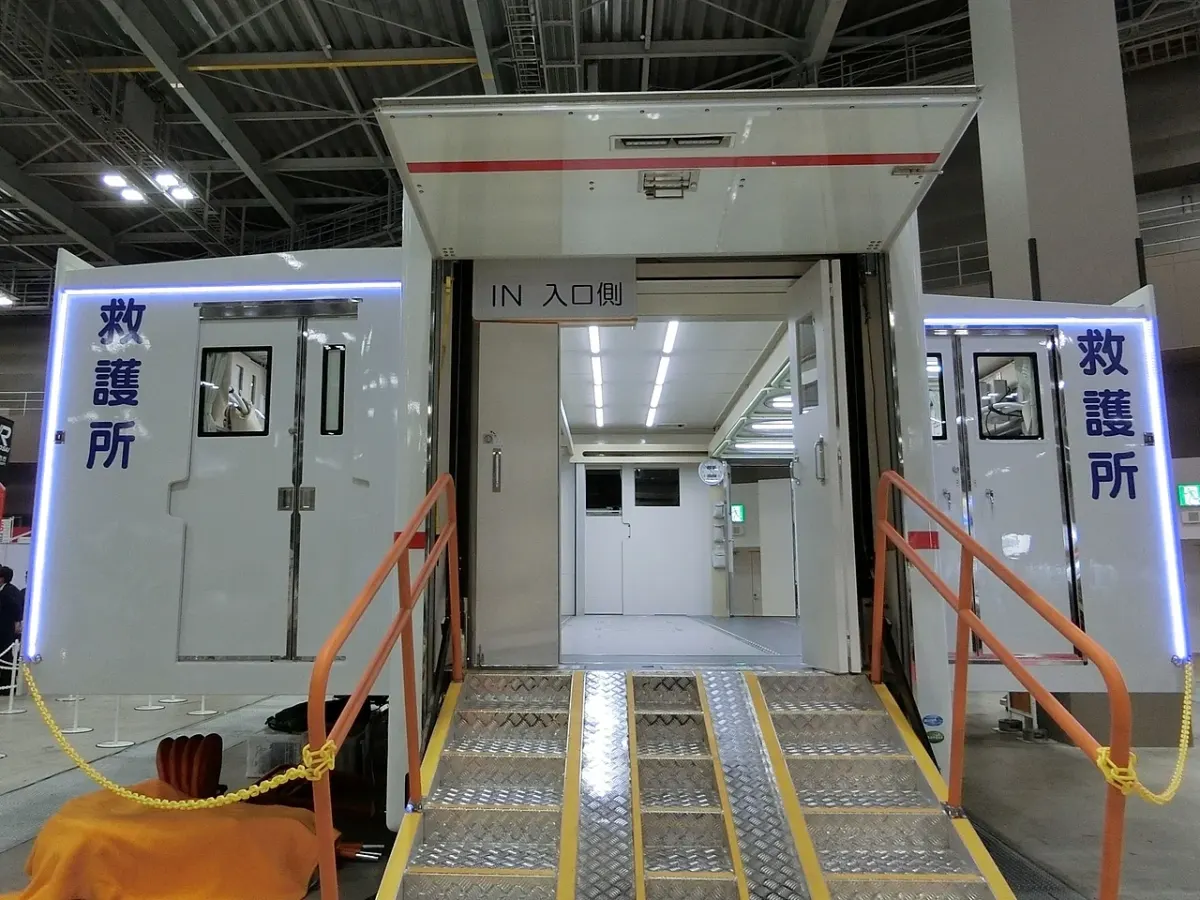
For an emergency, call 119 for an ambulance or fire service; 110 is the police. Ambulances are free, though hospital treatment is not. For non-urgent care, the Japan National Tourism Organization runs a 24-hour visitor hotline (050-3816-2787) in English and other languages, and its website lists hospitals that treat foreign patients. Call your insurer’s assistance line as early as possible; they can recommend a hospital and arrange payment. Keep every receipt and medical report, as you will need them to claim.
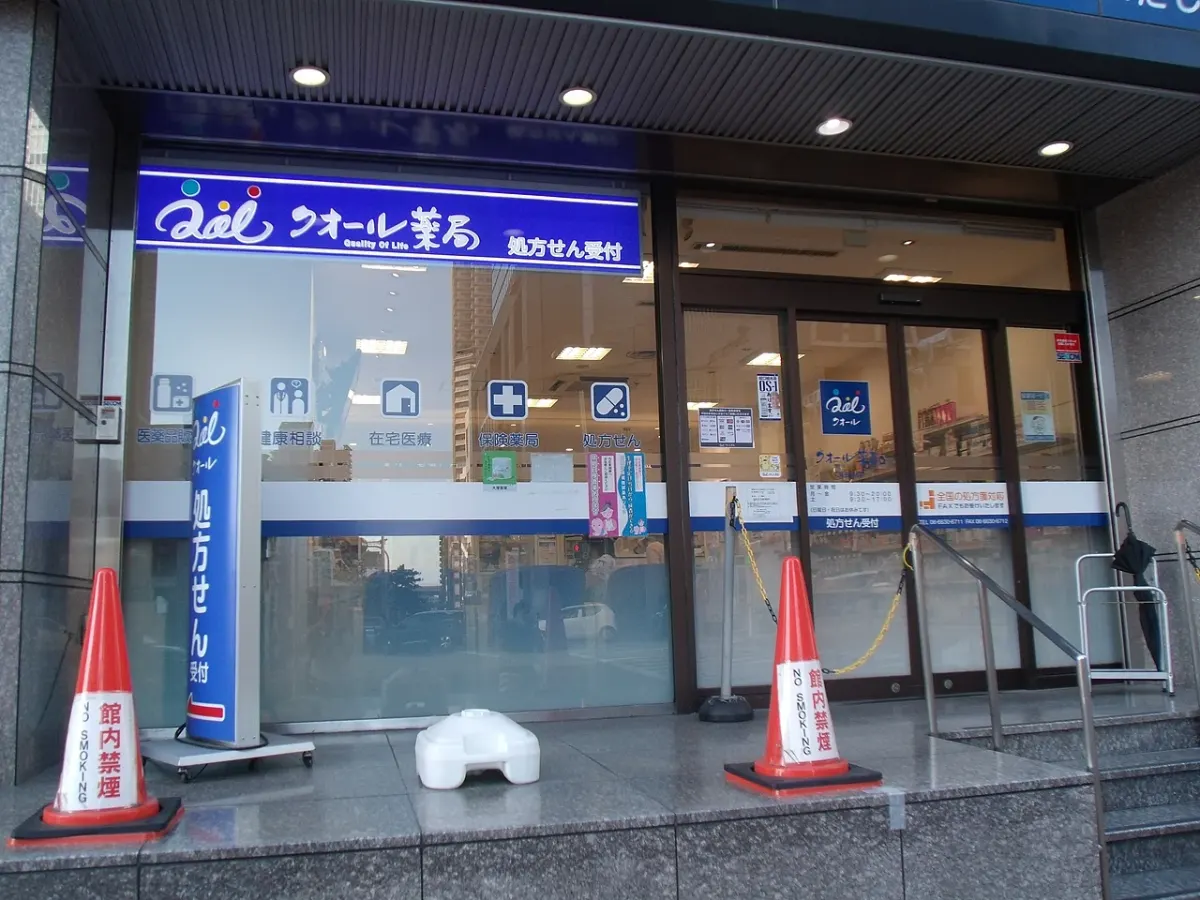
Pharmacies (yakkyoku) sell basic medicines without a prescription. Some common Western medicines, including some stimulants and strong cold remedies, are restricted in Japan, so check before you bring prescription medicines and carry them in their original packaging.
Ready to get covered?
Compare travel insurance plans that include medical, evacuation and typhoon delays.
Bottom line: Japan is safe, but it is not cheap to get sick in. A good policy costs less than a single day of your trip and protects you from the few things that can really go wrong. For the rest of your planning, see our Japan entry requirements guide.
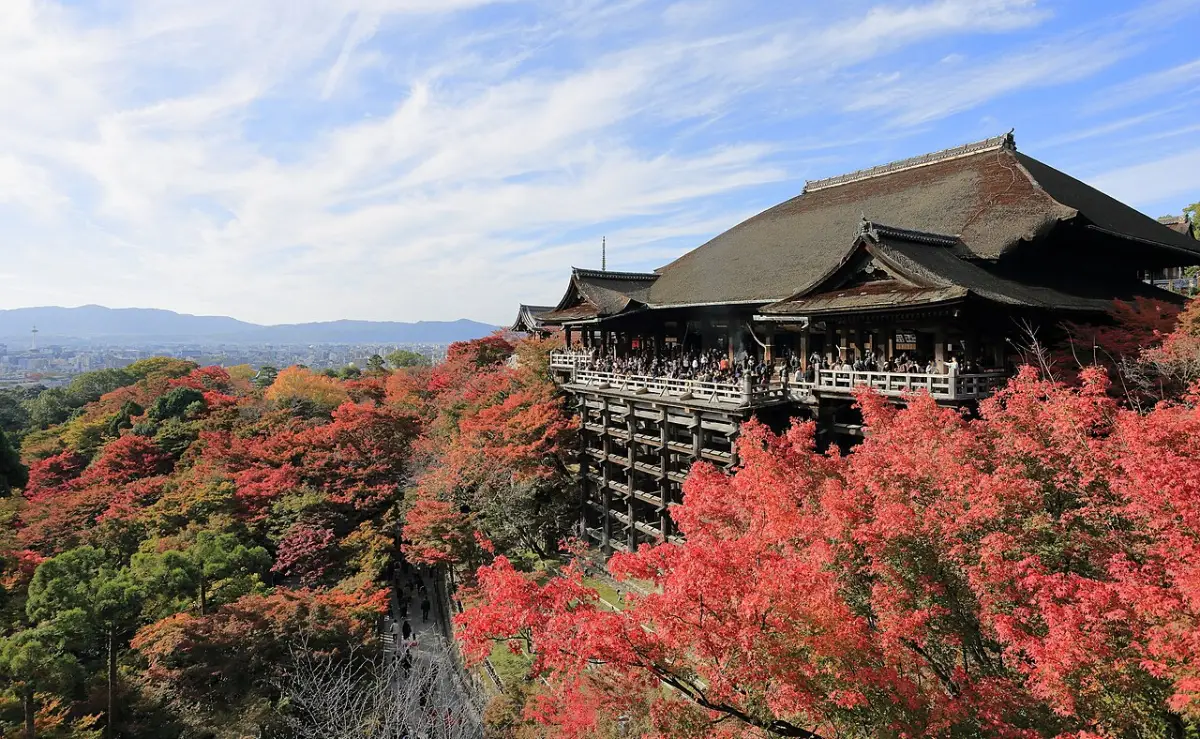
Photo: Kiyomizu-dera by Martin Falbisoner, CC BY-SA 4.0, via Wikimedia Commons.
More photos: Qol Pharmacy Tennoji by Mr.ちゅらさん, CC BY-SA 4.0; Tokyo Fire Department Super Ambulance by Triangle-Heart, CC BY-SA 4.0. Via Wikimedia Commons.