Mexico City is huge, but a first week works best if you treat it as a handful of walkable neighborhoods, one at a time, with a couple of easy day trips.
This post contains affiliate links. We may earn a commission if you book through them. How we make money.
Quick answer
Base yourself in Roma Norte or Condesa. Spend your first days on the Centro Histórico and Chapultepec Park, then give one day each to Coyoacán, the pyramids of Teotihuacan and Xochimilco, and keep a day for markets, food and lucha libre. Book the Frida Kahlo Museum online in advance, take Uber or Didi at night, and drink only bottled or filtered water.
The week at a glance
| Day | Area | Highlights |
|---|---|---|
| 1 | Roma and Condesa | Arrive, tree-lined streets, tacos, mezcal bar |
| 2 | Centro Histórico | Zócalo, Templo Mayor, Palacio de Bellas Artes |
| 3 | Chapultepec and Polanco | Museo Nacional de Antropología, Chapultepec Castle |
| 4 | Teotihuacan | Pyramids of the Sun and Moon |
| 5 | Coyoacán and San Ángel | Frida Kahlo Museum, markets, plazas |
| 6 | Xochimilco and UNAM | Trajinera boats, university murals |
| 7 | Your choice | Markets, cooking class, lucha libre |
Most major museums close on Mondays, so put Teotihuacan or Xochimilco on a Monday and check opening days before you lock in the plan.
Where to stay
Roma Norte and Condesa are the best bases for a first visit: leafy, walkable, full of cafés and restaurants, and central for Uber rides. Polanco is upscale and calm, with big hotels and fine dining. Centro Histórico puts you next to the main sights and is good value, but it is quieter at night once offices close. Juárez, between Roma and the Reforma avenue, is a good-value middle ground.
Choosing a hotel?
Compare hotels and apartments in Roma Norte, Condesa and Polanco.
Day by day
Day 1: Roma and Condesa
Mexico City sits at about 2,240 meters, so take the first afternoon slowly and drink plenty of water. Walk the Avenida Ámsterdam loop in Condesa, Parque México and the side streets of Roma Norte. Start your taco education with al pastor from a busy stand; the crowd is your quality check.
Day 2: Centro Histórico
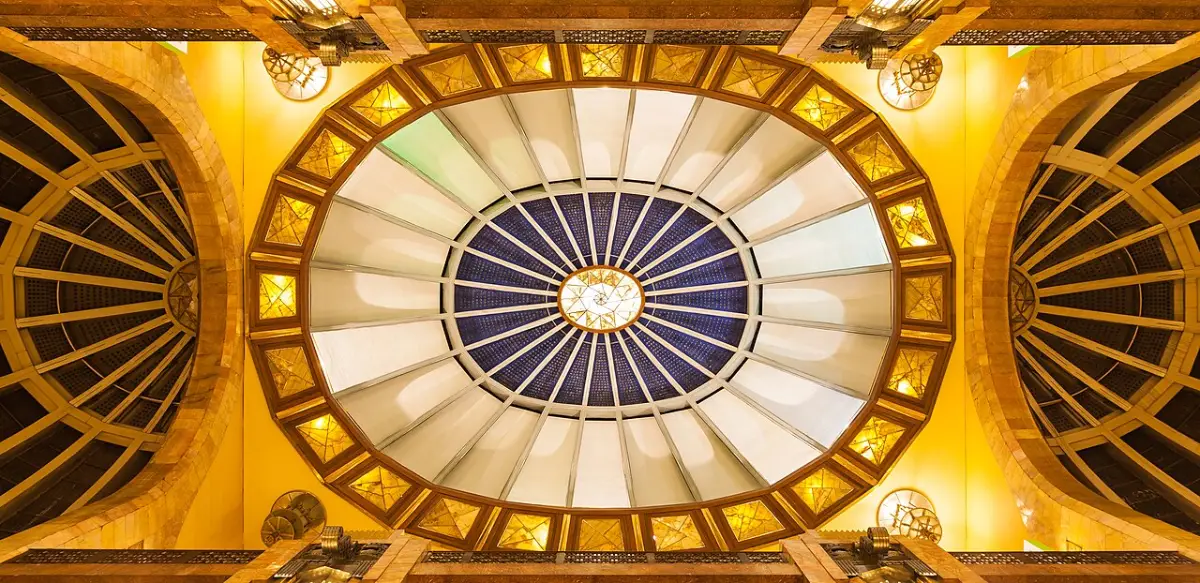
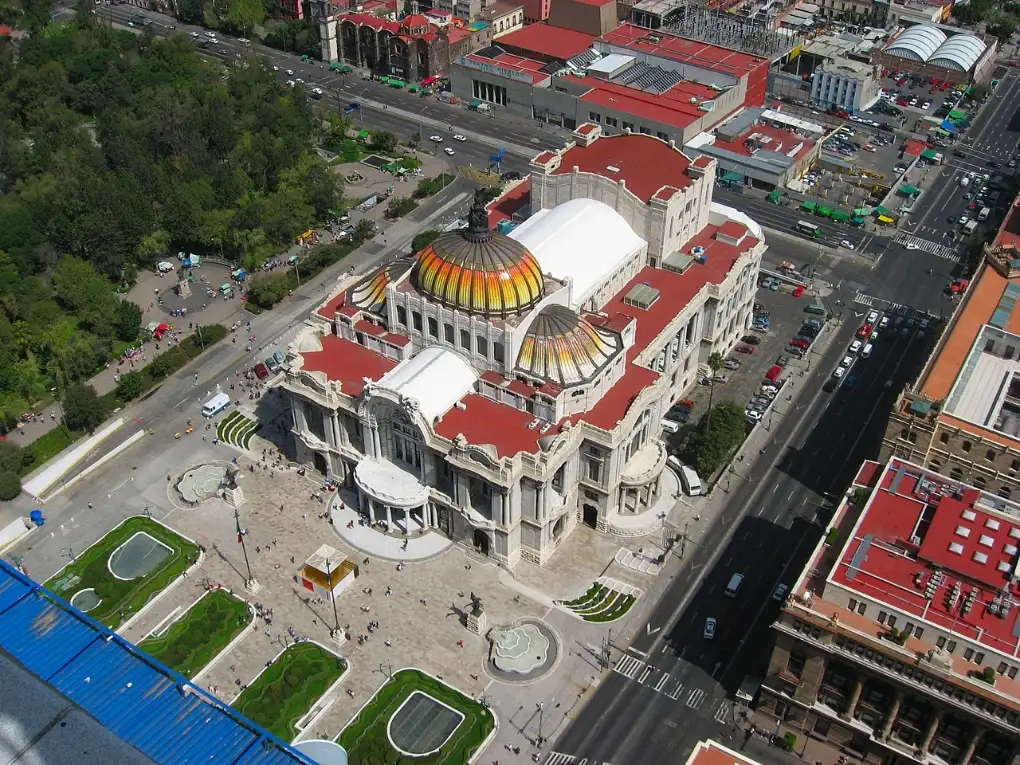
Begin at the Zócalo, one of the largest public squares in the world, with the Metropolitan Cathedral on one side. Next door, the Templo Mayor museum shows the ruins of the Aztec capital Tenochtitlan. The Palacio Nacional has Diego Rivera’s murals of Mexican history when it is open to visitors. Walk Madero Street to the Palacio de Bellas Artes, and see it from above at the café on the top floor of the Sears building opposite.
Day 3: Chapultepec and Polanco
The Museo Nacional de Antropología is one of the best museums in the Americas; give it at least three hours and do not miss the Aztec Sun Stone. Then walk up to Chapultepec Castle for views over the city. Finish with dinner in Polanco.
Day 4: Teotihuacan
The ancient city of Teotihuacan, with the Pyramid of the Sun and the Pyramid of the Moon along the Avenue of the Dead, is about an hour northeast. Go early to beat the heat and crowds. You can take a public bus from the Terminal del Norte, book a small-group tour, or, for a splurge, see it from a sunrise hot-air balloon. Bring a hat, sunscreen and water; there is very little shade.
Day 5: Coyoacán and San Ángel
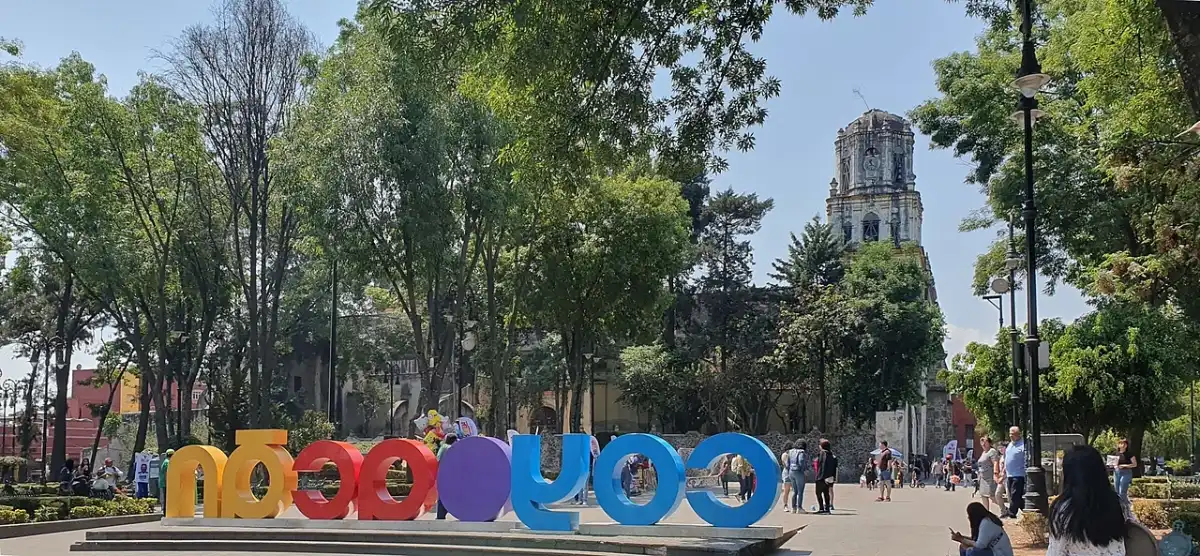
The Frida Kahlo Museum, the Casa Azul where she lived, sells timed tickets online and often sells out days ahead, so book before your trip. Afterwards, wander Coyoacán’s plazas and its covered market for tostadas. If you have energy, continue to San Ángel, especially on Saturday when the Bazar Sábado art market is on.
Day 6: Xochimilco and UNAM
Hire a colorful trajinera boat on the canals of Xochimilco, with mariachis and food boats floating by. Weekends are the liveliest; weekdays are calmer. On the way back, stop at the UNAM university campus, a UNESCO site, to see the mosaic-covered Central Library.
Day 7: Your choice
Options include a market tour of La Merced or Mercado de San Juan, a cooking class, the Museo Soumaya in Polanco, or a lucha libre wrestling night at Arena México, held several evenings a week. On Sunday mornings, Paseo de la Reforma closes to cars for cyclists and walkers.
Getting around
Uber and Didi are cheap, safe and the easiest way to get around, especially at night and from the airport. The Metro is very cheap and fast but extremely crowded at rush hour; keep your phone and wallet in a front pocket, and use the women-and-children-only cars if relevant. Walking works well within Roma, Condesa, Polanco and the Centro. Traffic is heavy, so allow extra time for cross-city trips.
| To | By car |
|---|---|
| Airport (AICM) | 25–50 minutes |
| Centro Histórico | 15–30 minutes |
| Coyoacán | 25–45 minutes |
| Xochimilco | 45–75 minutes |
| Teotihuacan | About 1–1.5 hours |
Safety and health basics
The neighborhoods in this itinerary are popular with visitors and generally safe with normal big-city care. Avoid showing expensive phones and jewelry, use ride-hailing apps instead of hailing taxis on the street, and use ATMs inside banks or malls. Do not drink tap water; restaurants serve purified water and ice. If an earthquake alarm sounds, follow locals out of the building calmly. For the bigger picture on travel advisories, read our Mexico safety guide.
Want a guide for the big sights?
Teotihuacan, Xochimilco and food tours can be booked in advance.
Budget
Mexico City is good value. A mid-range traveler can expect roughly $120 to $200 per day per person, including a comfortable hotel or apartment in Roma or Condesa, three meals ranging from street food to a nice restaurant, Uber rides and museum fees. Tipping 10 to 15 percent at sit-down restaurants is standard. Cards are widely accepted, but carry pesos for street food, markets and small tips.
Leave room for wandering. Some of the best moments in Mexico City are unplanned: a neighborhood fiesta, a new taco stand, or an afternoon in a park watching the city go by.
Photo: Palacio de Bellas Artes by Diego Delso, CC BY-SA 4.0, via Wikimedia Commons.
More photos: Mexico City Palacio de Bellas Artes by Jeses, CC BY-SA 2.5; Coyoacán – Plaza Hidalgo by José Luiz, CC BY-SA 4.0. Via Wikimedia Commons.