Four days is enough to see the Amalfi Coast’s best towns, take a boat to Capri and walk the Path of the Gods, as long as you use ferries and stay in one well-placed base.
This post contains affiliate links. We may earn a commission if you book through them. How we make money.
Quick answer
Stay four nights in Amalfi town (most central and best connected) or Positano (most beautiful, more expensive). Day 1: arrive and explore your base. Day 2: Positano and the Path of the Gods. Day 3: a boat day to Capri. Day 4: Ravello’s gardens and Amalfi’s cathedral. Use ferries rather than the bus when you can, from roughly April to October, and avoid driving yourself in summer.
The plan at a glance
| Day | Plan | Getting there |
|---|---|---|
| 1 | Arrive, settle in, sunset aperitivo | From Naples or Salerno by ferry, bus or private transfer |
| 2 | Path of the Gods hike, afternoon in Positano | Bus to Bomerano, walk down to Nocelle and Positano, ferry back |
| 3 | Capri by boat: Blue Grotto, Anacapri, Capri town | Ferry or small-group boat tour |
| 4 | Ravello’s villas, Amalfi cathedral, beach afternoon | Bus or taxi up to Ravello, 25 minutes |
Where to base yourself
Amalfi is the transport hub: most ferries and SITA buses start or stop here, and it has a lively piazza, beach and plenty of restaurants. It is the most practical base for a short stay.
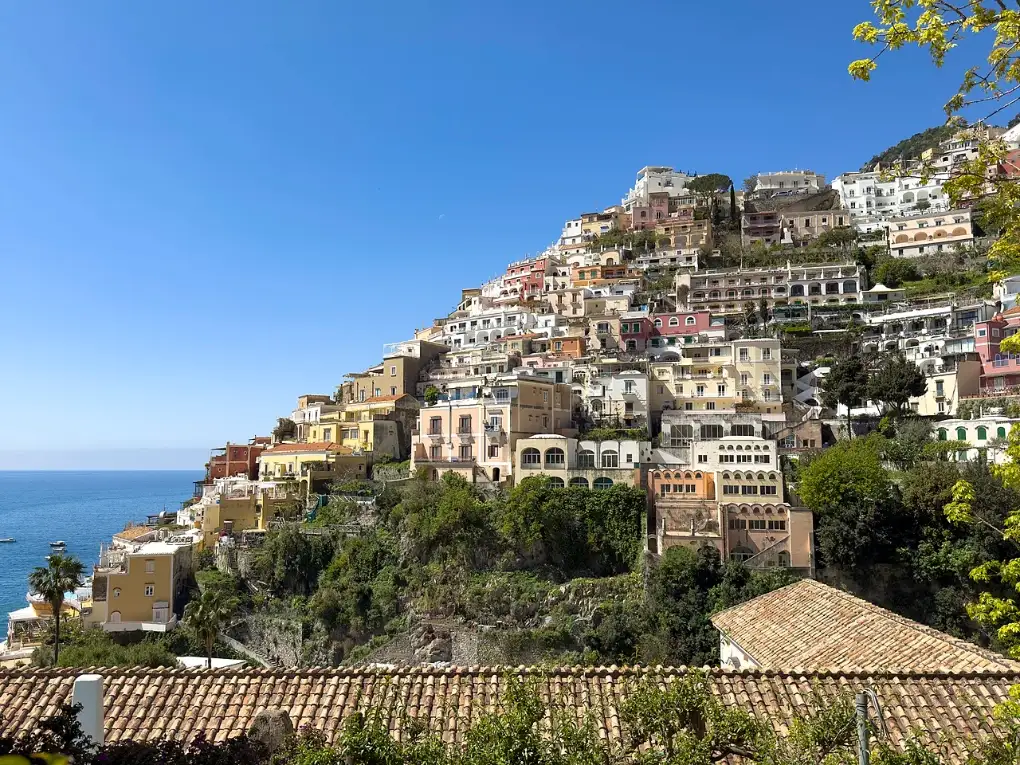
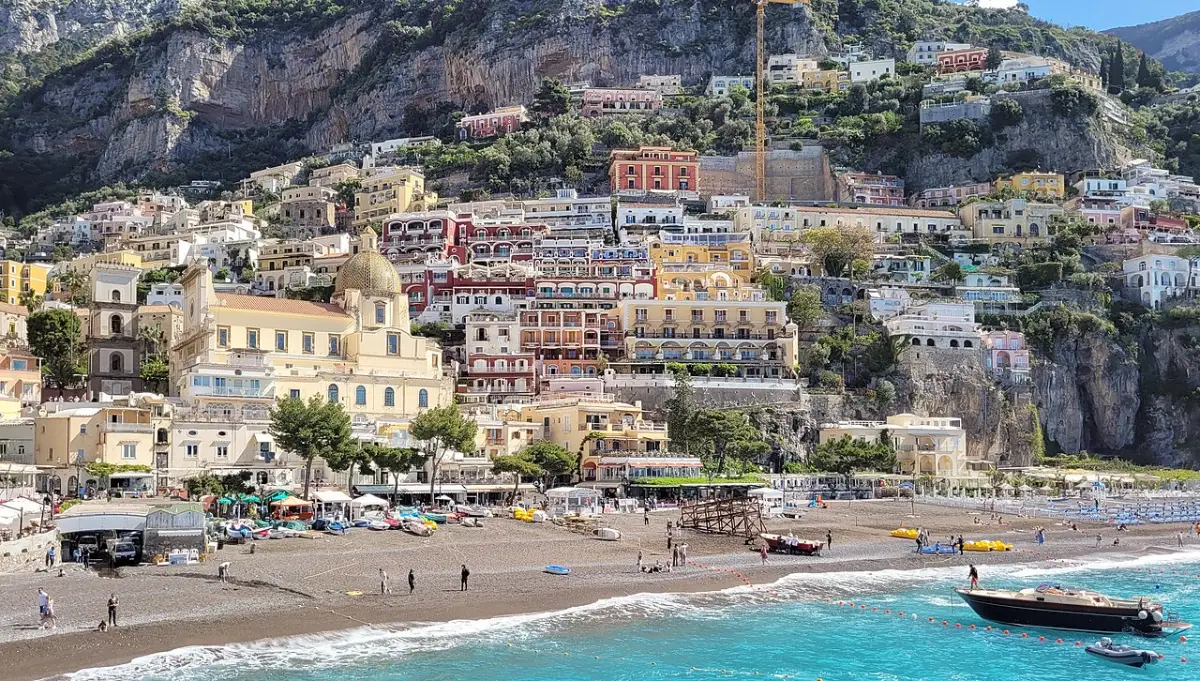
Positano is the postcard village of pastel houses stacked down the cliff. It is magical, but expensive and very steep, with hundreds of steps between the road and the beach.
Praiano, between the two, is quieter, cheaper and has superb sunset views, with buses and some ferries to both.
Sorrento is not on the Amalfi Coast itself but is a popular, cheaper base with trains to Naples and Pompeii and boats to Capri. Expect longer travel times to the coast.
Getting there
The nearest airport is Naples. From there, you have three main options. A private transfer takes about 1.5 hours to Positano or Amalfi and is the easiest with luggage. By ferry, go from the airport to Naples port and take a boat to Positano or Amalfi (seasonal), or take the train to Salerno and a ferry from there. By bus, the cheapest option, combine an airport bus to Sorrento with the SITA bus along the coast, which is slow and crowded in summer.
Day by day
Day 1: Arrive and explore
Check in, walk your base and have an aperitivo with a view. In Amalfi, climb the steps of the Duomo di Sant’Andrea at golden hour; in Positano, walk down to the Spiaggia Grande and up again via the boutiques.
Day 2: Path of the Gods and Positano
The Sentiero degli Dei is the coast’s most famous hike, high above the sea with views all the way. Take an early bus from Amalfi to Bomerano, a village above Praiano, and walk about 7 kilometers to Nocelle, which takes 2.5 to 3 hours with photo stops. From Nocelle, walk down roughly 1,700 steps to Positano, or take the small local bus. Spend the afternoon in Positano and take the ferry back to Amalfi. Wear proper shoes and carry water; in July and August, start very early.
Day 3: Capri
Take a morning ferry to Capri, or join a small-group boat tour that circles the island, stopping for swims and passing the Faraglioni rocks. The Blue Grotto is reached by tiny rowing boats and only opens in calm seas; queues can be long, so go early or skip it if the line is huge. Take the chairlift from Anacapri up Monte Solaro for the island’s best view, then wander the designer streets of Capri town and the Gardens of Augustus. Catch the last boat back.
Day 4: Ravello and Amalfi
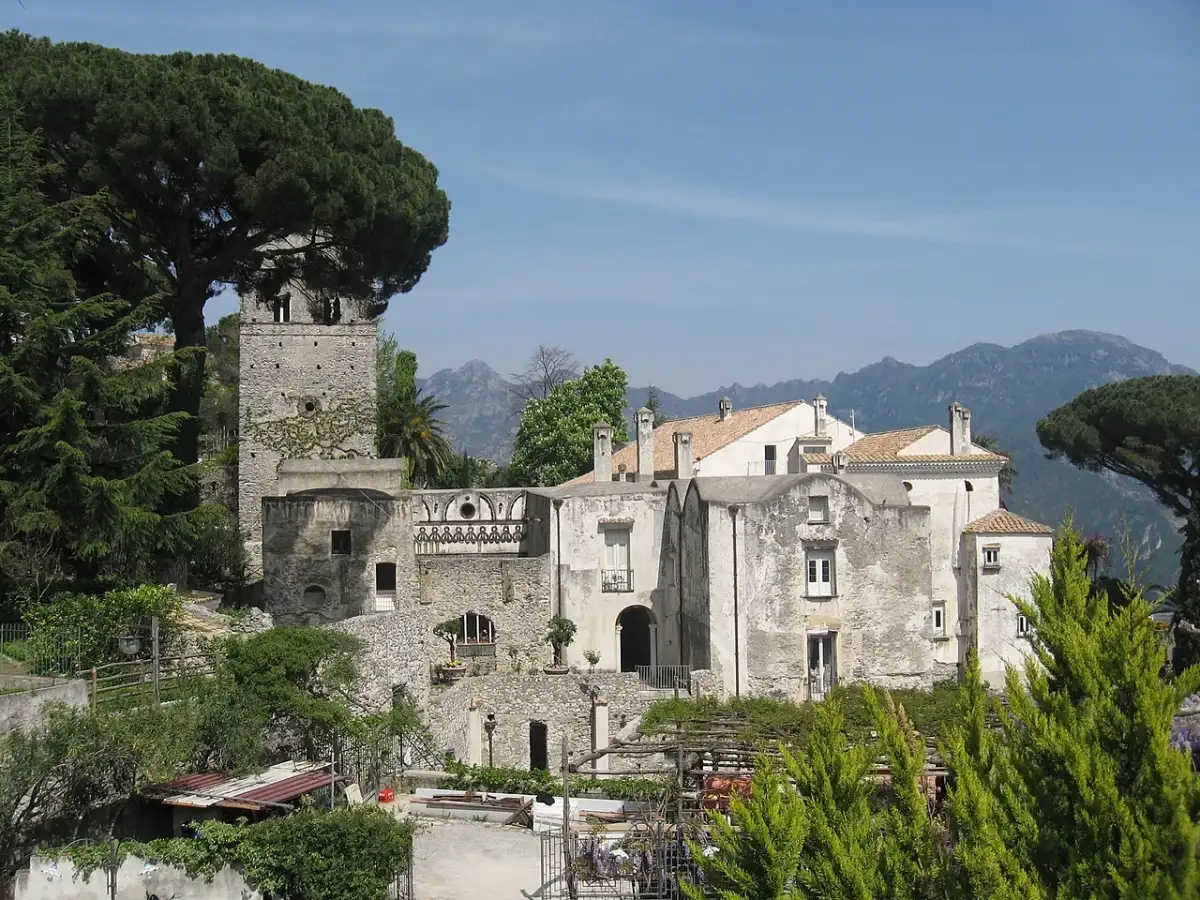
Ravello sits 350 meters above Amalfi and is the coast’s most elegant town. Visit Villa Rufolo’s terraced gardens and Villa Cimbrone’s Terrace of Infinity, with one of the most famous views in Italy. Return to Amalfi for lunch, the Duomo and its cloister, and a lemon granita. End with an afternoon on the beach or a boat rental.
Getting around the coast
| Option | Pros | Cons |
|---|---|---|
| Ferry | Fast, scenic, avoids traffic | Seasonal (about April to October), can cancel in rough seas |
| SITA bus | Cheap, runs year-round | Packed in summer, can be skipped if full, winding road |
| Taxi or private driver | Door to door, comfortable | Expensive |
| Rental car or scooter | Freedom off-season | Narrow road, little and costly parking, summer traffic limits |
Driving yourself is not recommended in summer. The single coastal road is narrow and congested, parking in Positano and Amalfi can cost €5 or more an hour, and in peak periods local rules may limit which non-resident cars can use the road on certain days.
Want a boat day to Capri?
Small-group boat tours and Path of the Gods hikes can be booked in advance.
When to go and budget
The best months are May, June and September: warm sea, ferries running, and fewer crowds than July and August. Many hotels and restaurants close from November to March, and ferries stop or reduce.
The Amalfi Coast is one of Italy’s most expensive areas. A mid-range double room typically costs €200 to €400 per night in high season in Positano, a little less in Amalfi and Praiano. Allow €50 to €80 a day per person for food, plus ferries at roughly €10 to €30 per trip and Capri tours from about €80 to €150. Beach clubs charge for loungers and umbrellas, often €20 to €40 per person; public beach areas are free.
Pick one base, use the sea as your road, and leave time for long lunches. On the Amalfi Coast, slowing down is half the point.
Photo: Positano by Bernard Gagnon, CC BY 4.0, via Wikimedia Commons.
More photos: View of Positano by Alexis Lours, CC BY 4.0; Ravello Villa Rufolo by Istvánka, CC BY-SA 3.0. Via Wikimedia Commons.