Chichén Itzá is the most famous Maya city in Mexico and an easy day trip from the Yucatán’s main bases. The trick is beating the heat and the tour-bus crowds.
This post contains affiliate links. We may earn a commission if you book through them. How we make money.
Quick answer
From Cancun or the Riviera Maya, a guided tour with a cenote swim and a stop in Valladolid is the easiest option; the drive is about 2.5 to 3 hours each way. With a rental car you can arrive at opening time, before the crowds. From Mérida it is closer, about 1.5 to 2 hours. Entry for foreign adults costs roughly 680 to 700 pesos in 2026, now paid as a single ticket. Go early, bring water and a hat, and allow two to three hours at the site.
How to get there: your options
| Option | From Cancun | Pros | Cons |
|---|---|---|---|
| Group tour | Full day, about 12 hours | No planning, guide, often includes cenote and lunch | Arrives late morning with the crowds |
| Small-group or private tour | Full day | Early starts possible, flexible | More expensive |
| Rental car | 2.5–3 hours each way on the toll highway | Arrive at opening, add cenotes freely | Toll costs, driving in Mexico |
| Tren Maya | Several hours; station near the site with a shuttle | Comfortable, scenic | Limited departures, check schedules |
| ADO bus | 3–3.5 hours | Cheapest | Few direct departures, long day |
From Tulum, the drive is about 2 hours via Cobá or Valladolid. From Mérida, it is about 1.5 to 2 hours, and many visitors combine the site with Valladolid and a cenote before returning. From Valladolid, Chichén Itzá is only about 45 minutes away, which makes an overnight there the best way to arrive first thing.
Want it all arranged?
Compare Chichén Itzá tours from Cancun, Playa del Carmen, Tulum and Mérida, including early-access options.
Tickets and opening times
For years visitors had to queue twice, once for the federal INAH ticket and once for the Yucatán state fee. Since March 2026, the two have been combined into a single ticket bought at one counter. For foreign adults the total in 2026 is roughly 680 to 700 pesos; local reports give slightly different figures, so check the price on arrival. Mexican citizens and residents pay less and get free entry on Sundays, which makes Sundays especially busy.
The site opens early in the morning, usually 8 am, and closes in the late afternoon; last entry is about an hour before closing. Tours usually include the ticket, but check, because some quote it separately. Bring a card or pesos in cash in case one payment method is down. Guides can be hired at the entrance, and audio guides are available as apps.
What to see at the site
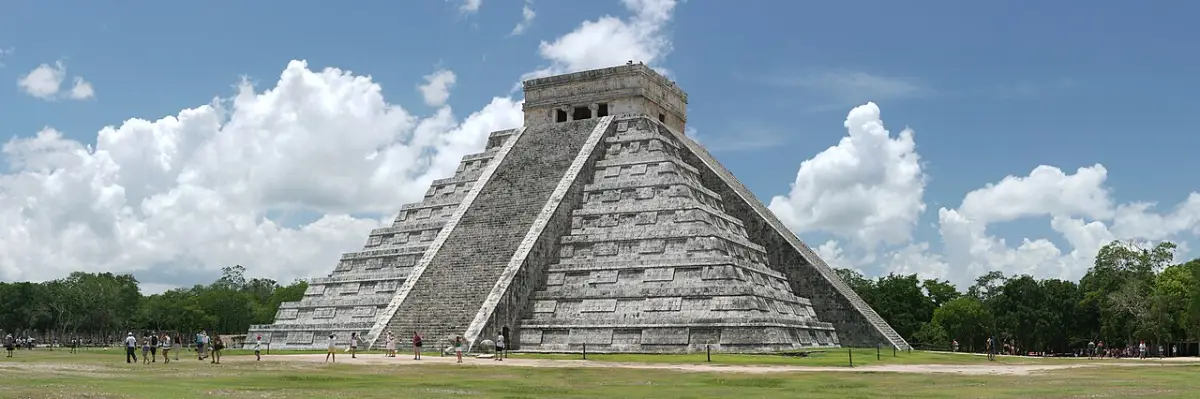
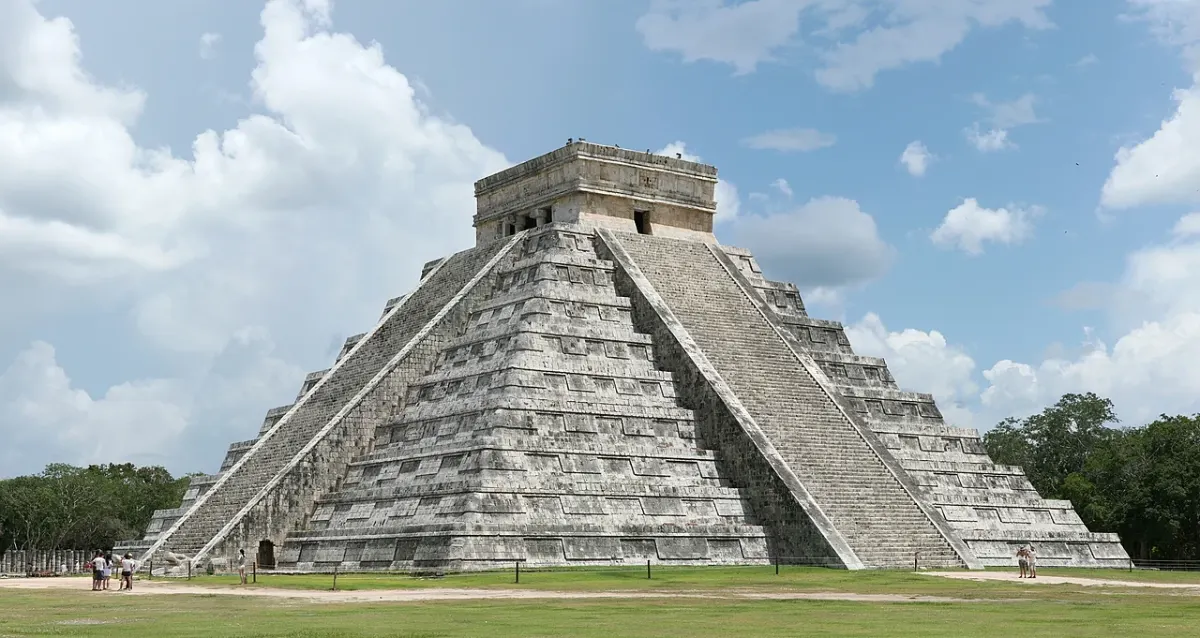
- El Castillo (Temple of Kukulcán): the iconic stepped pyramid. Climbing has not been allowed since 2008. Clap in front of it to hear the strange chirping echo.
- The Great Ball Court: the largest in Mesoamerica, with carved reliefs of the ritual game and remarkable acoustics.
- Temple of the Warriors and the Group of a Thousand Columns: rows of carved pillars and a Chac Mool statue.
- The Sacred Cenote: a large natural sinkhole where offerings were made, a short walk north.
- El Caracol: the round observatory, used to track Venus and the seasons.
Around the spring and autumn equinoxes, in late March and late September, the afternoon sun creates the shadow of a serpent descending El Castillo’s stairs. It is spectacular but draws huge crowds.
Cenotes and Valladolid
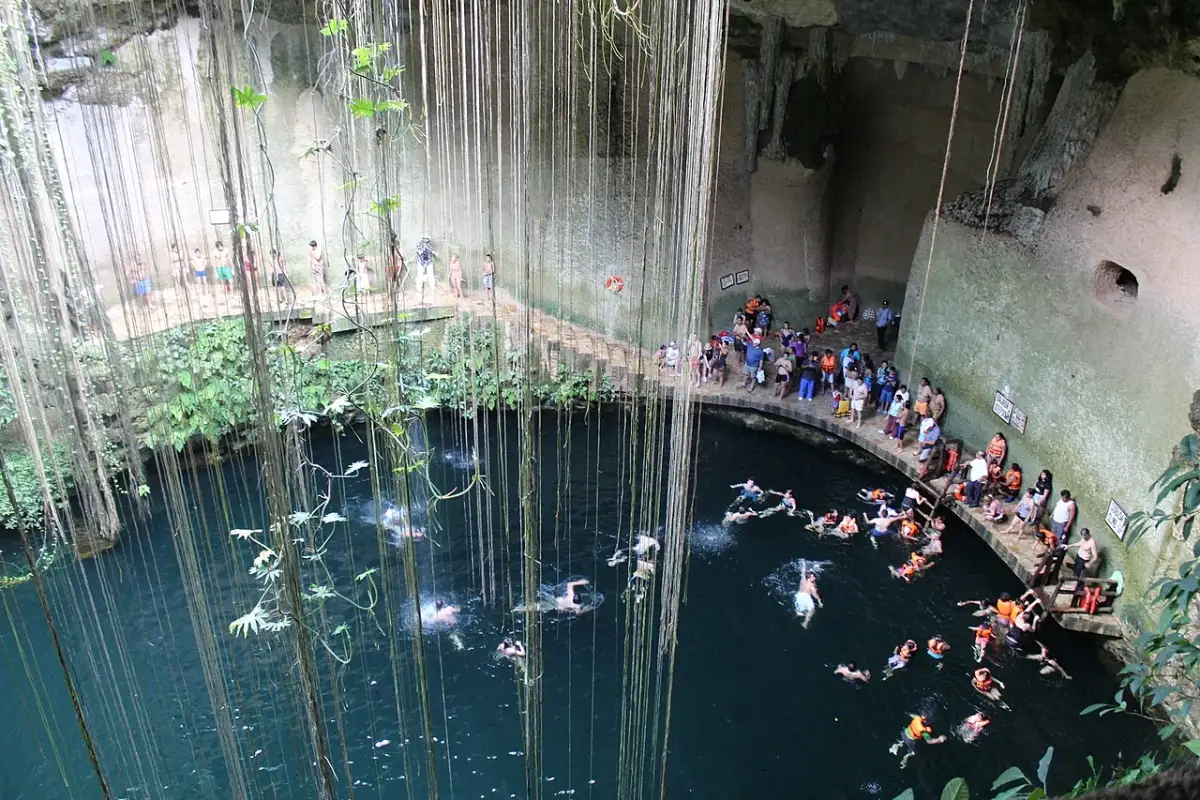
The Yucatán is dotted with cenotes, natural freshwater pools in limestone caves and sinkholes, and a swim is the perfect way to cool off after the ruins.
- Ik Kil: 3 kilometers from Chichén Itzá, a deep, round cenote with hanging vines. Beautiful but busy around midday.
- Cenote Saamal and Hacienda Selva Maya: similar setting, often included on tours.
- Suytún and Oxman: near Valladolid; Suytún has the famous platform lit by a beam of sunlight.
- Zací: right in Valladolid’s town center.
Valladolid is a colorful colonial town 45 minutes from the site, with a pretty main square, the Convent of San Bernardino and excellent Yucatecan food such as cochinita pibil.
Sample day plans
| Plan | Morning | Afternoon |
|---|---|---|
| Early bird (car) | Leave Cancun at 5 am, Chichén Itzá at opening | Cenote Ik Kil, lunch in Valladolid, drive back |
| Classic tour | Pickup, drive, Valladolid stop | Guided visit, cenote swim, buffet lunch, return by evening |
| Slow version | Day 1: Valladolid and cenotes, stay overnight | Day 2: Chichén Itzá at 8 am, back to the coast by afternoon |
Tips for a better visit
- Arrive at opening. Tour buses from the coast arrive from about 10:30 am, and the midday heat is intense.
- Bring water, sunscreen, a hat and cash. There is little shade on the main plaza.
- Wear comfortable shoes. The site is large and the paths are dusty.
- Ignore the vendors’ first price for souvenirs; bargaining is expected.
- Drones and tripods are not allowed without a permit.
- Safety: the toll highway is the safer and faster road; avoid driving after dark. See our Mexico safety guide.
Covered for the trip?
Travel insurance covers medical costs, theft and cancellations in Mexico.
If you can spare the time, sleep in Valladolid the night before. Walking into the main plaza as the gates open, with the pyramid almost to yourself, is worth the early alarm.
Photo: Chichén Itzá by Daniel Schwen, CC BY-SA 4.0, via Wikimedia Commons.
More photos: Chichen Itza by Daniel Schwen, CC BY-SA 4.0; Cenote Ik Kil, Yucatan by Shinya Suzuki, CC BY 2.0. Via Wikimedia Commons.