Mexico is a year-round destination, but the best month depends on where you are going. The Caribbean coast, the highlands around Mexico City and the Pacific beaches each have their own seasons, storms and festivals.
This post contains affiliate links. We may earn a commission if you book through them. How we make money.
Quick answer
For most of Mexico, the best time to visit is the dry season from November to April, with sunny days and comfortable temperatures. On the Caribbean coast (Cancún, Tulum, Playa del Carmen), December to April is ideal; hurricane season runs from June to November and sargassum seaweed is usually worst from late spring to early autumn. Mexico City and Oaxaca are pleasant all year, with short afternoon storms from June to September. For festivals, go for Day of the Dead (October 31 to November 2). For the best value, try late April, May or November, avoiding Easter week.
Seasons by region
| Region | Best months | Challenging months | Why |
|---|---|---|---|
| Caribbean coast and Yucatán | December to April | August to October | Peak hurricane risk, heat, humidity, seaweed |
| Mexico City and central highlands | October to May | June to September | Daily afternoon rain, but still very visitable |
| Oaxaca and Chiapas | October to April | June to September | Rainy season; mountain roads can be affected |
| Pacific coast (Puerto Vallarta, Oaxaca coast) | November to April | July to October | Hot, humid, storms and hurricanes possible |
| Baja California Sur (Los Cabos) | November to May | August and September | Very hot; peak hurricane months |
Month by month
| Month | Weather | Highlights and notes |
|---|---|---|
| January | Dry; cool nights in the highlands | Whale watching; monarch butterflies; busy after New Year then calmer |
| February | Dry, sunny, pleasant everywhere | Carnival in Veracruz and Mazatlán; one of the best months overall |
| March | Dry, warming up | Jacaranda blossoms in Mexico City; spring break crowds at beach resorts |
| April | Dry and warm to hot | Semana Santa (Easter week) is very busy; good after Easter |
| May | Hottest month in many inland areas | Lower prices; sargassum can start on the Caribbean coast |
| June | Rainy season begins | Green landscapes; hurricane season officially starts |
| July | Afternoon storms inland; hot on the coasts | Guelaguetza festival in Oaxaca; summer holiday crowds |
| August | Wet and humid | Whale sharks off Isla Mujeres and Holbox (roughly June to September) |
| September | Wettest month in many areas | Peak hurricane risk; Independence Day on September 16 |
| October | Rains easing | Good value; Day of the Dead preparations |
| November | Dry season returns | Day of the Dead (Nov 1–2); monarchs arrive; great all-round month |
| December | Dry and sunny | Christmas posadas; very busy and expensive at Christmas and New Year |
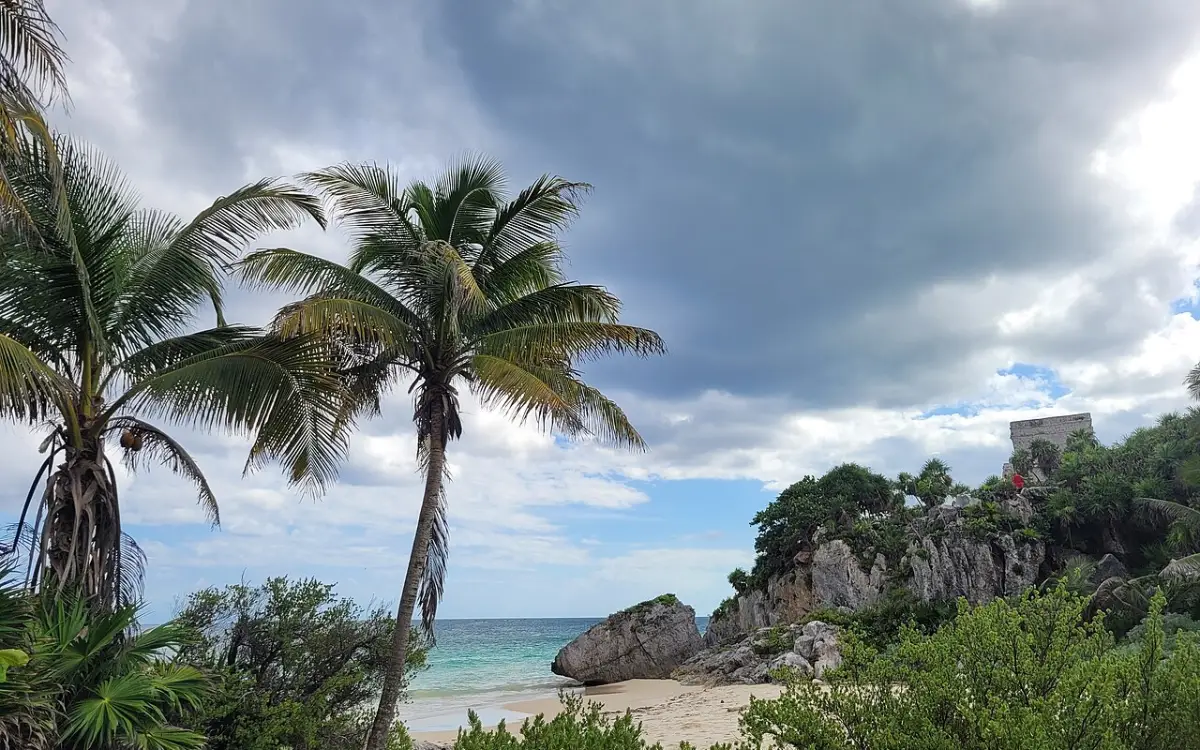
The Caribbean coast: hurricanes and sargassum
Cancún, Playa del Carmen, Tulum and the Yucatán are warm all year, around 27 to 33°C. The question is rain, storms and seaweed.
Hurricane season runs officially from June 1 to November 30, with the highest risk from August to October. A direct hit is unlikely in any given week, but storms can bring days of rain and cancel flights. If you travel then, buy travel insurance that covers weather disruption and book flexible rates.
Sargassum is brown seaweed that washes onto Caribbean beaches. It varies a lot from year to year, but it is usually heaviest from about May to September. Beaches on the west side of the coast, such as Isla Mujeres’ north beach, Holbox and Cozumel’s west coast, are usually less affected, and Mexico publishes a sargassum warning map.
December to April is the safest bet for clear water and blue skies. It is also the most expensive. Visiting the Maya ruins? See our Chichén Itzá day trip guide; go early in the day in hot months.
Booking the Riviera Maya?
Compare hotels in Cancún, Playa del Carmen and Tulum, with free cancellation for hurricane season.
Mexico City and the highlands
At about 2,240 m, Mexico City has spring-like weather most of the year: warm days and cool nights. The dry months from November to April are sunny, though winter mornings can be chilly and air quality is sometimes poorer in the dry season. April and May are the warmest months. From June to September, mornings are usually clear and heavy showers arrive in the afternoon or evening, so you can sightsee in the morning and plan museums for later. March brings purple jacaranda blossoms across the city.
Colonial cities such as Guanajuato, San Miguel de Allende and Puebla follow a similar pattern. Oaxaca is a little warmer. See our 7 days in Mexico City itinerary and where to stay in Mexico City.
The Pacific coast and Baja
Puerto Vallarta, Mazatlán, the Oaxaca coast and Los Cabos are at their best from November to April or May, when the weather is dry, sunny and less humid. Humpback whales spend the winter here, roughly December to March, and gray whales gather in the lagoons of Baja California Sur from about January to March. From July to October the Pacific coast is hot and humid, with storms and the risk of hurricanes.

Festivals and wildlife
- Day of the Dead (October 31 to November 2): altars, marigolds and cemetery vigils, especially in Oaxaca, Michoacán and Mexico City. Book hotels months ahead.
- Monarch butterflies (roughly mid-November to March): millions of butterflies cluster in the forests of Michoacán and the State of Mexico, best around January and February.
- Guelaguetza (July): Oaxaca’s big festival of regional dance and music.
- Independence Day (September 15–16): the “Grito” celebrations fill main squares.
- Whale sharks (roughly June to September): swim with them on tours from Isla Mujeres, Holbox or Cancún.
Crowds and prices
The busiest and most expensive times are Christmas to New Year, Semana Santa (the week before Easter), US spring break in March at beach resorts, and July and August. The best value combines good weather with fewer visitors: late April and May (hot but dry), and November (after Day of the Dead) and early December. If you are going for city sights rather than beaches, the rainy season is a good-value option with green landscapes.
Travel with cover
Choose travel insurance that covers trip delays and cancellations caused by storms.
There is no bad month to visit Mexico, only better and worse months for each region. Match your dates to the places you want to see, and read our Mexico safety guide before you book.
Photo: Maya ruins at Tulum by Erik Cleves Kristensen, CC BY 2.0, via Wikimedia Commons.
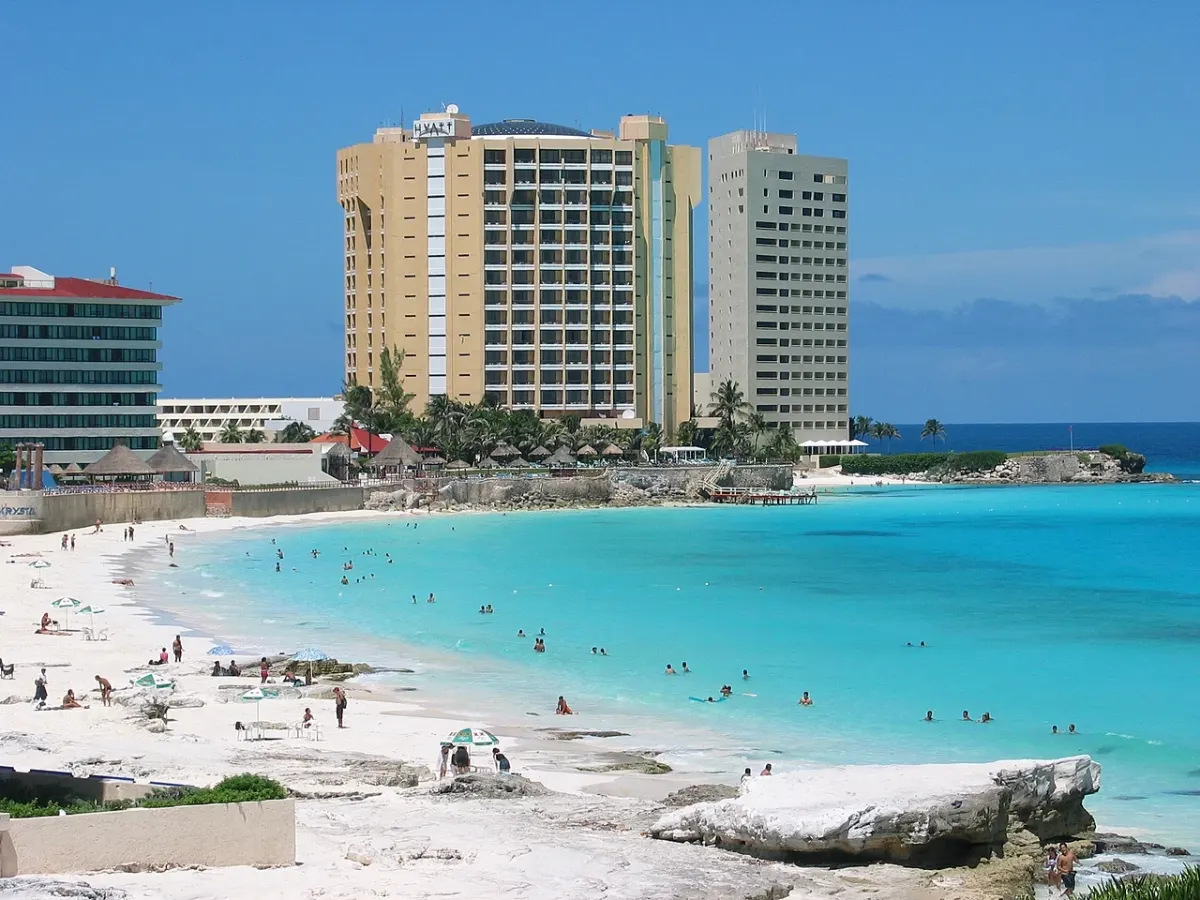
More photos: Cancun Beach by Keith Pomakis, CC BY-SA 2.5; Day of the Dead celebration in Coyoacán by Erikamorartefoto, CC BY-SA 4.0. Via Wikimedia Commons.