“Rainy season” in Thailand does not mean the same thing everywhere. The west-coast islands, the Gulf islands, Bangkok and the mountains of the north each follow their own calendar, so the best month depends on where you are going.
This post contains affiliate links. We may earn a commission if you book through them. How we make money.
Quick answer
For a first trip covering Bangkok, the north and the beaches, the cool season from November to February is best. For the Andaman islands (Phuket, Krabi, Phi Phi, Koh Lanta), go from November to April. For the Gulf islands (Koh Samui, Koh Phangan, Koh Tao), go from January to August and avoid October to December, their rainiest months. March to May is very hot, and February to April brings smoky air to Chiang Mai. The June to October rainy season is cheaper and green, with short daily downpours.
Thailand’s three seasons
| Season | Months | What to expect |
|---|---|---|
| Cool and dry | November to February | Around 25–32°C, low humidity, sunny; busiest and priciest |
| Hot | March to May | Often 35°C or more in April; humid and tiring for sightseeing |
| Rainy | June to October | Heavy afternoon or evening showers, some flooding in September and October; lower prices |
“Cool” is relative: Bangkok still feels warm in December, while nights in the northern mountains can drop to around 10°C.
Best months by region
| Region | Best months | Avoid if you can |
|---|---|---|
| Bangkok and central Thailand | November to February | April (heat), September–October (heaviest rain) |
| Chiang Mai and the north | November to January | February to April (smoke and haze) |
| Andaman coast: Phuket, Krabi, Phi Phi, Koh Lanta | November to April | May to October (rough seas) |
| Gulf coast: Koh Samui, Koh Phangan, Koh Tao | January to August | October to December (monsoon) |
| Eastern Gulf: Koh Chang, Koh Kood | November to April | June to October |
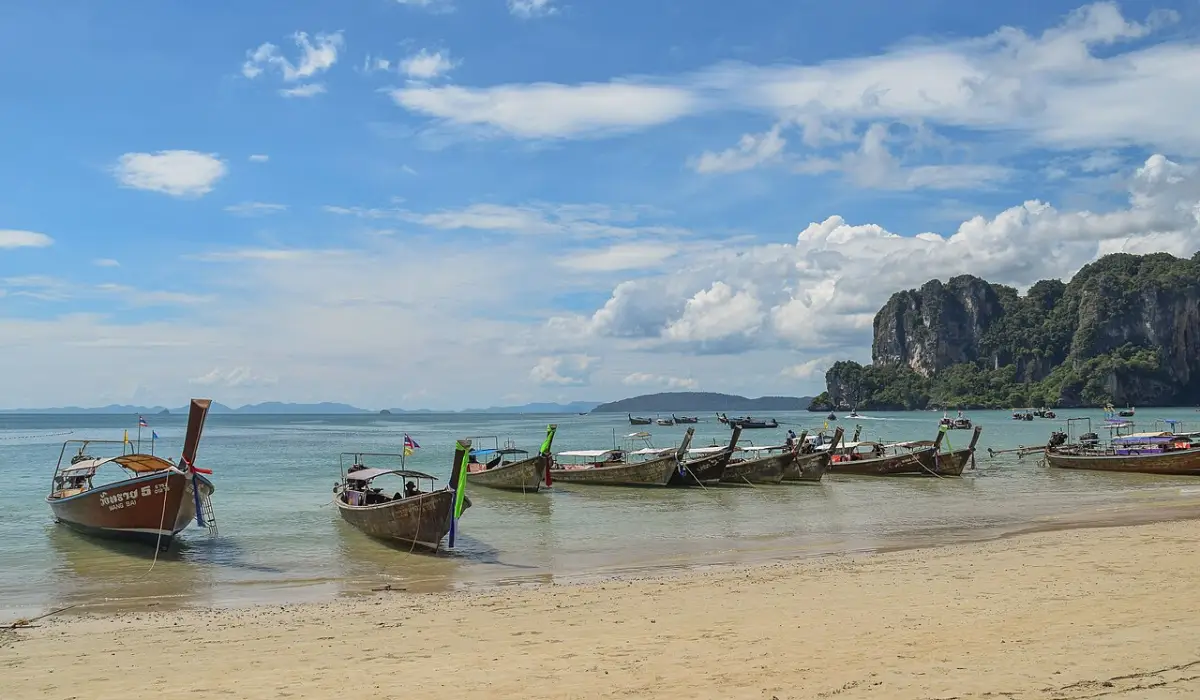
Andaman vs Gulf islands
This is the part that catches most travelers out. The two coasts sit on opposite sides of the Thai peninsula and catch different monsoons.
The Andaman Sea on the west gets the southwest monsoon from about May to October. Seas are rough, some boat trips cancel, red flags fly on many beaches, and some islands’ resorts close. From November to April the sea is calm and clear, perfect for snorkeling and island-hopping. The Similan Islands marine park usually opens only from mid-October to mid-May, and Maya Bay on Phi Phi Leh closes every year from August 1 to September 30.
The Gulf of Thailand on the east is sheltered from that monsoon, so Koh Samui, Koh Phangan and Koh Tao are a good choice in July and August, when the Andaman side is wet. Their own rainy season comes from about October to December, with November usually the wettest month.
In practice: traveling in July or August, choose the Gulf. Traveling in November or December, choose the Andaman. From January to April, both are good.
Picked your coast?
Compare beach hotels in Phuket, Krabi and Koh Samui for your dates.

Chiang Mai and the north
The north is at its best from November to January: dry, sunny days and cool evenings, ideal for temples, trekking and night markets. From about February to April, farmers burn fields and forest fires add smoke, so air quality can be very poor; this “burning season” is the main reason to avoid the north in spring, especially if you have breathing problems. The rainy season from June to October turns the hills green and is quieter, though trails can be muddy.
Month by month
| Month | Good for | Notes |
|---|---|---|
| January | Everywhere | Peak season; book early |
| February | Bangkok, all islands | Chinese New Year; haze begins in the north |
| March | Islands | Getting hot; smoky in the north |
| April | Islands | Hottest month; Songkran water festival |
| May | Gulf islands | Rains begin on the Andaman side; low prices |
| June | Gulf islands, north | Green season; good deals |
| July | Gulf islands | Summer holiday crowds on Samui |
| August | Gulf islands | Maya Bay closes from August 1 |
| September | Few places | Wettest month in Bangkok; cheapest prices |
| October | North, Bangkok (late) | Rains easing in the center; Gulf rain begins |
| November | Andaman, Bangkok, north | Loy Krathong and Yi Peng lantern festivals |
| December | Andaman, Bangkok, north | Very busy around Christmas and New Year |
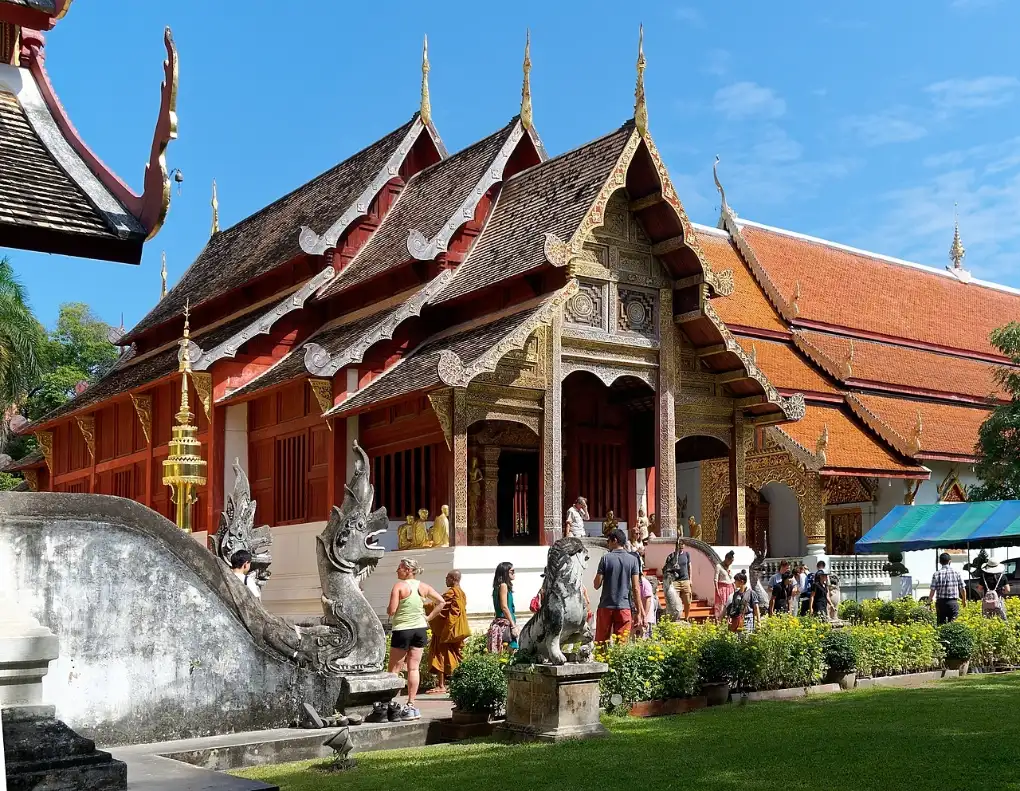
Festivals worth planning around
- Songkran (April 13–15): Thai New Year becomes a nationwide water fight, wildest in Chiang Mai and Bangkok’s Silom and Khao San Road. Fun, but transport is busy and you will get soaked.
- Loy Krathong and Yi Peng (November, on the full moon): candles floated on rivers everywhere, and sky lanterns in Chiang Mai. Hotels in Chiang Mai sell out early.
- Chinese New Year (January or February): big celebrations in Bangkok’s Chinatown.
- Full Moon Party: monthly beach party on Koh Phangan; island accommodation fills up around it.
Is the rainy season worth it?
Yes, for many travelers. Rain usually comes in heavy bursts in the afternoon or evening rather than all day, mornings are often sunny, landscapes are green and hotels can be 30 to 50 percent cheaper. Choose the Gulf islands for beaches, keep plans flexible for boat trips, and get travel insurance that covers weather disruption. Avoid planning big island-hopping days on the Andaman side between June and September.
Whatever the month, check the latest entry rules in our Thailand entry requirements guide, and see our 10-day Thailand itinerary for a route that fits most seasons.
Covered for storms and delays?
Compare travel insurance with cover for cancelled boats and flights.
There is a good beach somewhere in Thailand in every month of the year. Pick the coast to fit your dates, not the other way round, and you will rarely be disappointed.
Photo: West Rai Leh by Krzysztof Golik, CC BY-SA 4.0, via Wikimedia Commons.
More photos: Phuket beach by Mussi Katz, Public domain; Wat Phra Sing, Chiang Mai by Jakub Hałun, CC BY-SA 4.0. Via Wikimedia Commons.