Cherry blossoms sweep across Japan from south to north over about three months. Here is when they usually bloom in each city, how to read the official forecasts, and where to see them at their best.
This post contains affiliate links. We may earn a commission if you book through them. How we make money.
Quick answer
In Tokyo, Kyoto and Osaka, cherry blossoms usually reach full bloom between about March 25 and April 5. Each city’s peak lasts only about a week. If you can only travel on fixed dates, plan for the first week of April and keep a backup: head north to places like Kanazawa or Tohoku if you are late, or south to Kyushu if you are early. The first official forecasts come out in January and are updated weekly.
Typical bloom dates by city
The main variety you will see is Somei Yoshino, a pale pink cherry. Forecasters track two dates: first bloom (kaika), when a few flowers open on the sample tree, and full bloom (mankai), when about 80 percent are open. Full bloom usually comes about a week after first bloom, and the petals start falling about a week after that.
| City | Usual full bloom |
|---|---|
| Okinawa (different variety) | Late January to February |
| Fukuoka | Late March |
| Tokyo | Late March to early April |
| Kyoto and Osaka | Late March to early April |
| Hiroshima | Late March to early April |
| Kanazawa | Early April |
| Sendai | Around mid-April |
| Hirosaki (Aomori) | Around late April |
| Sapporo | Early May |
These are long-term averages. In recent years warm springs have pushed blooms earlier, sometimes by a week or more, and a cold March can delay them. That is why you should watch the forecast rather than rely on averages.
How to read the forecast
Several Japanese weather companies publish cherry blossom forecasts. The main ones are the Japan Meteorological Corporation, Weathernews and tenki.jp, all with English or easy-to-use map pages. The first forecasts usually appear in January and are updated every week or so until the blossoms reach Hokkaido.
- Use full-bloom dates, not first-bloom dates, to plan your trip.
- Do not book on January’s forecast alone. It can shift by several days. Forecasts in early March are much more reliable.
- Remember the spread. Within one city, shaded valleys, riverbanks and hillsides bloom at slightly different times, so you can often find good blossoms a few days after the official peak.
Best spots in Tokyo
- Shinjuku Gyoen: a large garden with many varieties, so something is in bloom for several weeks. There is an entry fee, and alcohol is not allowed, which keeps it calm. Timed tickets may be needed at peak times.
- Chidorigafuchi: cherry trees arch over the Imperial Palace moat, and you can rent rowboats. Lit up in the evenings during the season.
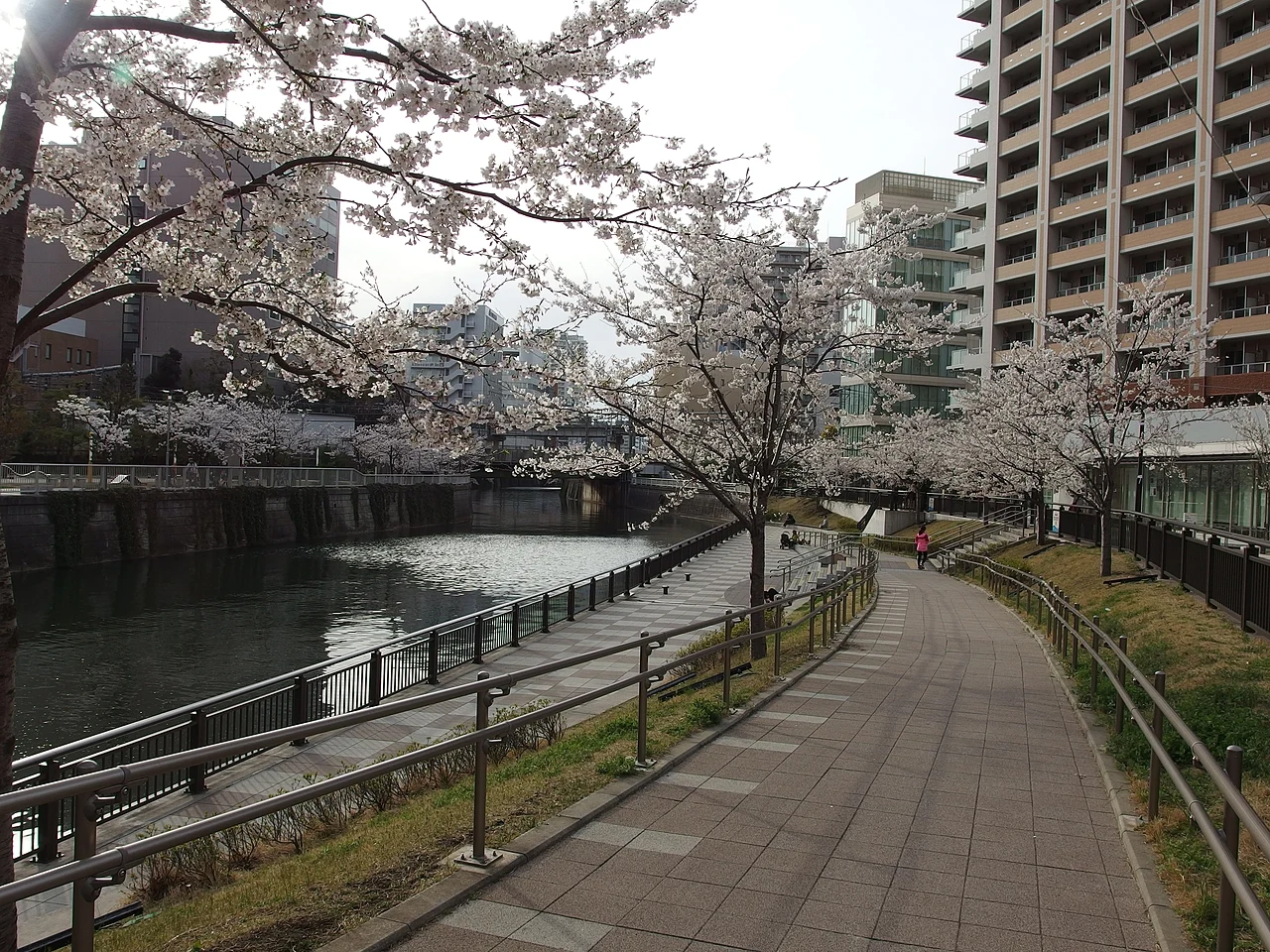
- Meguro River: about 800 trees along a canal lined with cafes. Beautiful when lit at night, and very crowded on weekends.
- Ueno Park: Tokyo’s classic hanami party spot, with long rows of trees and lively picnics.
- Sumida Park: blossoms along the river with views of Tokyo Skytree, a short walk from Asakusa.
Best spots in Kyoto and Osaka
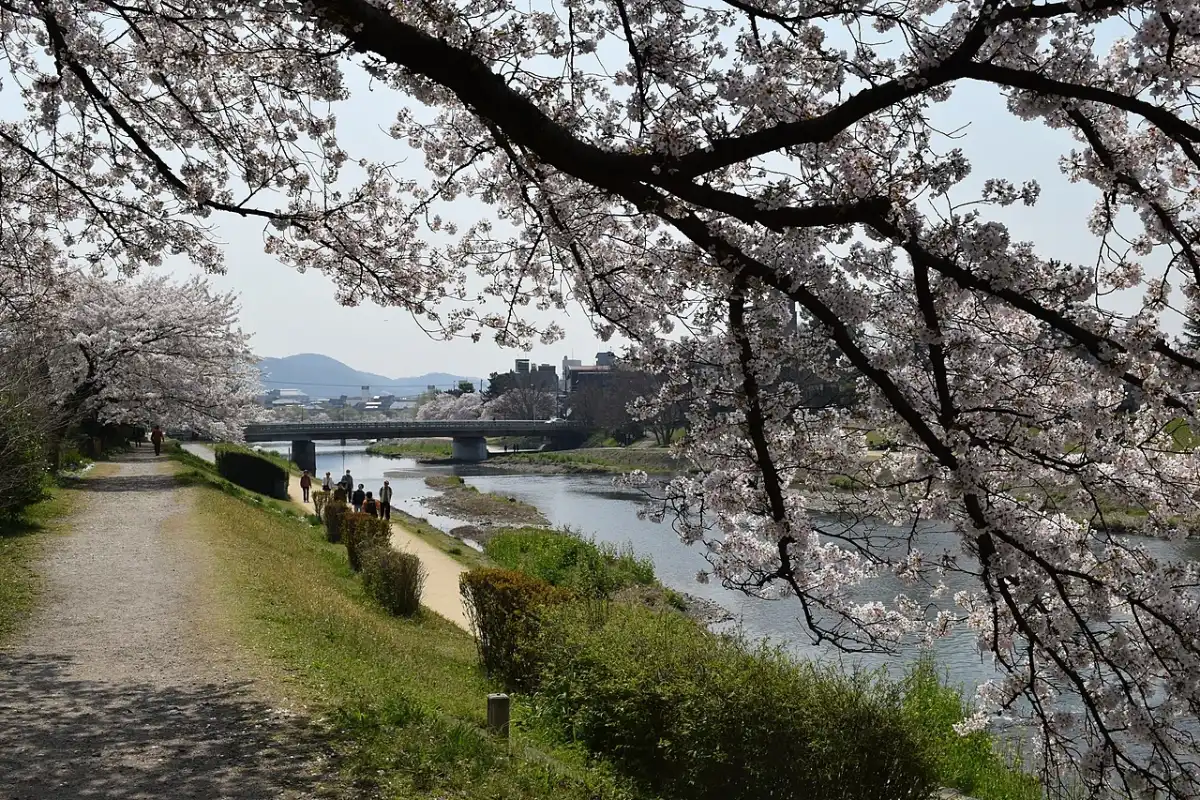
- Philosopher’s Path: a canal-side walk lined with cherry trees between Ginkaku-ji and Nanzen-ji. Go at 7 am to have it nearly to yourself.
- Maruyama Park: home to a famous weeping cherry that is lit up at night, next to Yasaka Shrine.
- Heian Shrine garden: weeping cherries around a pond, worth the small garden fee.
- Daigo-ji: a large temple complex in the south-east of the city with hundreds of trees.
- Arashiyama: blossoms on the hills above the Katsura River, best seen from the Togetsukyo Bridge.
- Osaka Castle Park: thousands of trees around the castle moats, and lively evening picnics.
- Japan Mint, Osaka: a long avenue of late-blooming cherries, open to the public for about a week in early to mid-April. Check if advance registration is required.

Beyond the big cities
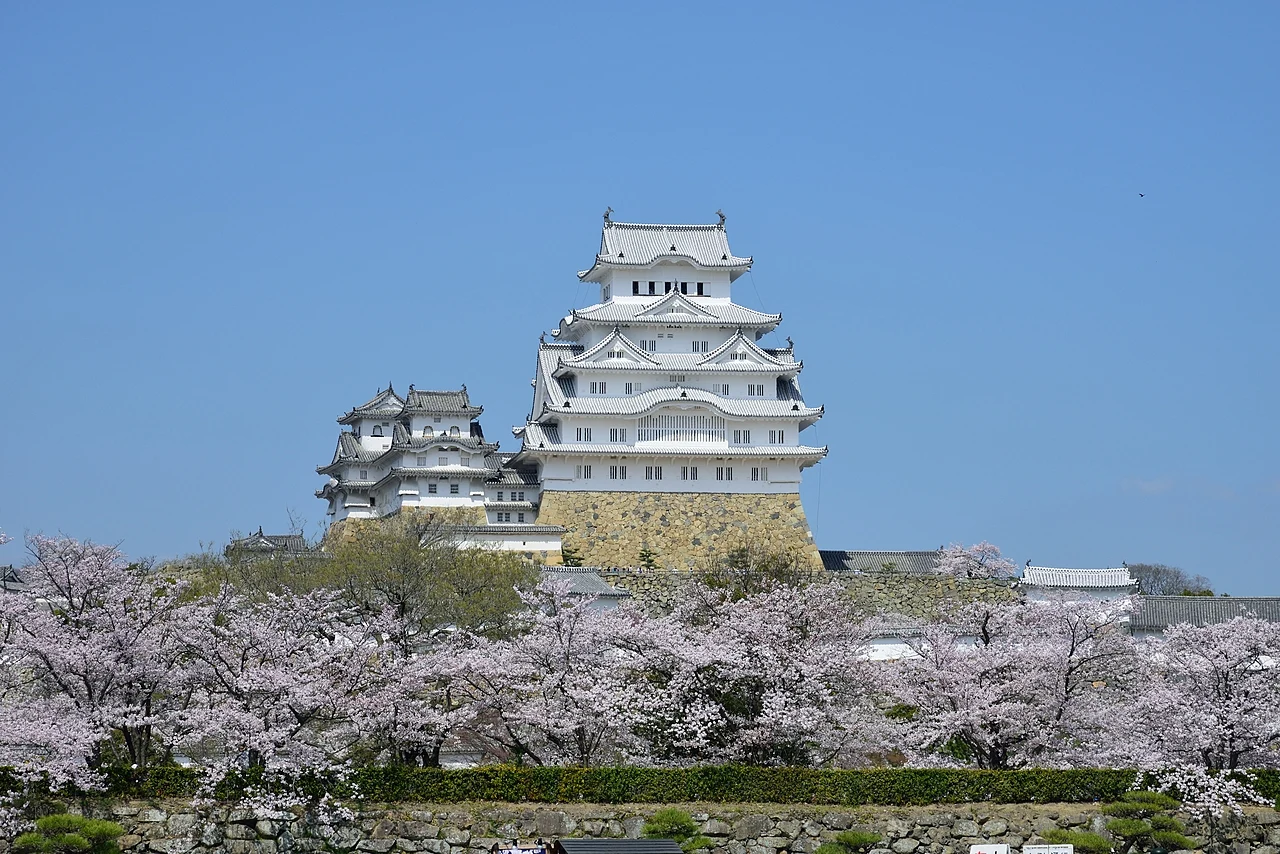
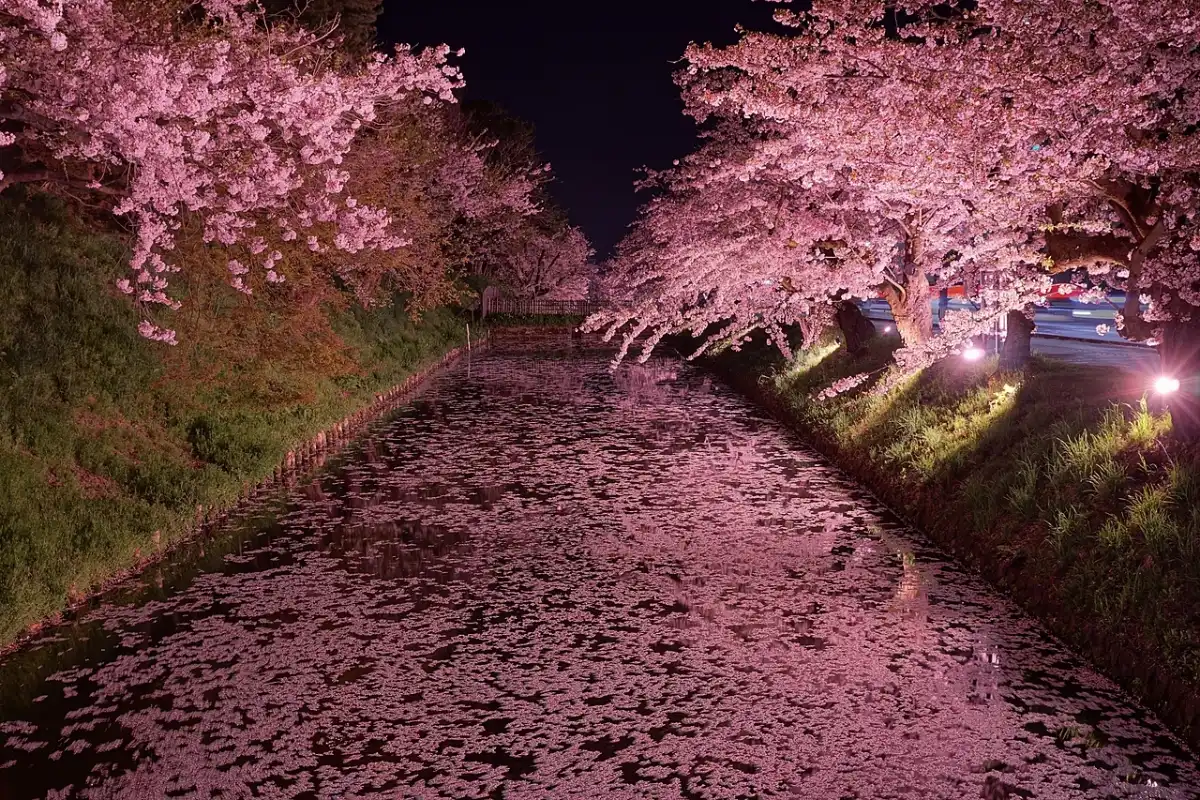
Himeji Castle, an hour west of Osaka by Shinkansen, is at its most photogenic with white walls framed by pink blossoms in early April. Yoshino in Nara Prefecture has tens of thousands of trees on a mountainside, blooming from lower to upper slopes over two to three weeks in April. Mt Fuji’s Chureito Pagoda usually peaks around mid-April, a little later than Tokyo. Further north, Hirosaki Castle in Aomori is famous for its moats covered in floating petals in late April, and Kakunodate has weeping cherries along a samurai street.
These later spots are your safety net. If you arrive in mid-April and Tokyo’s blossoms are gone, a day trip or short trip north will often find them at their peak.

Planning and booking tips
- Book hotels early. Late March and early April is one of the busiest and most expensive times of year. Book refundable rooms several months ahead, then confirm your dates once March forecasts come out.
- Allow ten days if you can. A longer trip that moves from south to north gives you a much better chance of hitting full bloom somewhere.
- Go early in the day. The most famous spots are crowded from about 9 am. Night illuminations are a great second chance.
- Bring a light jacket. Spring evenings can be chilly, around 5 to 10°C.
Traveling in sakura season?
Rooms in Tokyo and Kyoto sell out fast. Lock in a refundable booking now.
Hanami etiquette
Hanami, or flower viewing, usually means a picnic under the trees. It is a relaxed tradition, but a few rules keep it pleasant for everyone:
- Do not touch, shake or climb the trees, and never pick branches.
- Take all your trash with you. Bins are rare and often overflow in parks.
- Check the rules before drinking. Some parks, including Shinjuku Gyoen, ban alcohol.
- Do not reserve huge spaces with tarps if you are a small group, and keep music low.
Planning your route?
Our first-timer itinerary works well in cherry blossom season.
Photos: Himeji Castle by Seattleite7, CC BY-SA 4.0; Meguro River by Guilhem Vellut, CC BY 2.0; Philosopher’s Path by shankar s., CC BY 2.0; Hirosaki Castle at night by 掬茶, CC BY-SA 4.0. All via Wikimedia Commons.
More photos: Cherry blossom @ Kyoto by ::::=UT=::::, CC BY-SA 3.0; Cherry blossoms along the moat of Hirosaki Castle at night by 掬茶, CC BY-SA 4.0. Via Wikimedia Commons.