Summer in Japan is hot, humid and full of life: festivals, fireworks, mountain hikes and long evenings outdoors. With the right plan, the heat becomes part of the fun rather than the whole story.
This post contains affiliate links. We may earn a commission if you book through them. How we make money.
Quick answer
June brings the rainy season, July and August bring heat often above 33°C in Tokyo, Kyoto and Osaka, and August and September bring the risk of typhoons. In return you get Japan’s biggest festivals, fireworks and the Mt Fuji climbing season. Sightsee in the early morning and evening, spend the hot afternoons indoors, and escape for a few days to Hokkaido or the Japanese Alps, where it is 5 to 10 degrees cooler.
Summer weather, month by month
| Month | Day high | What to expect |
|---|---|---|
| June | 25–28°C | Rainy season (tsuyu) from early June: gray skies, frequent light rain, hydrangeas |
| July | 29–33°C | Rainy season ends mid to late July, then sudden heat; festival season begins |
| August | 31–35°C+ | Hottest month, very humid; fireworks, Obon holidays, some typhoons |
| September | 27–31°C | Still hot early on; peak typhoon month; quieter for travel |
Hokkaido has almost no rainy season and is the most comfortable part of Japan in summer, with highs around 25°C. Okinawa’s rainy season comes earlier, in May and June, and its summer is hot but breezy. Heat records have been broken often in recent summers, so check the forecast and heatstroke alerts each day.
The best summer festivals
- Gion Matsuri, Kyoto (all of July): Japan’s most famous festival. The highlights are the evening street parties of yoiyama before the giant float processions on July 17 and 24.
- Tenjin Matsuri, Osaka (July 24–25): a river procession of boats lit by lanterns, followed by fireworks.
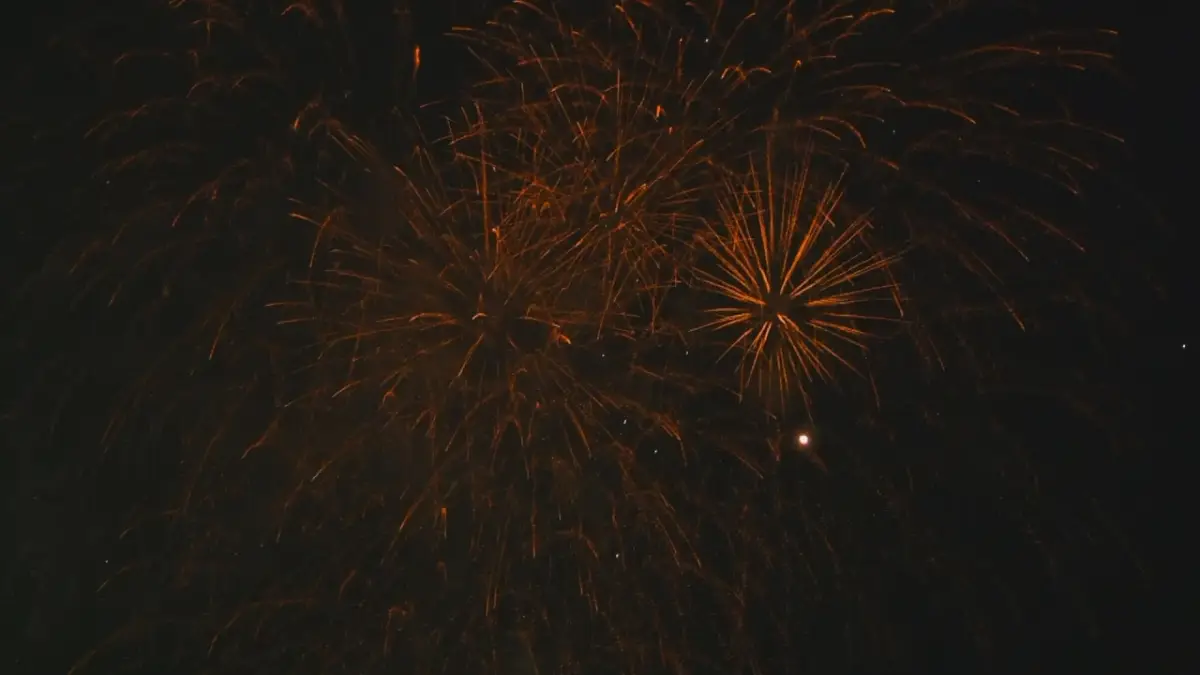
- Sumida River Fireworks, Tokyo (usually the last Saturday of July): about 20,000 fireworks over Asakusa. Arrive in the afternoon to find a spot.
- Aomori Nebuta (August 2–7): huge illuminated paper floats of warriors and gods, paraded through the city at night.
- Awa Odori, Tokushima (August 12–15): Japan’s biggest dance festival, with about a million spectators.
- Local summer festivals: almost every neighborhood holds a matsuri or bon-odori dance in July or August. Ask at your hotel; these small events are often the most memorable.
Wearing a yukata, a light cotton kimono, is part of the fun at festivals and fireworks. Many shops rent them for the day, including dressing.
Where to escape the heat
Hokkaido: the best summer destination in Japan. The lavender fields of Furano and the flower hills of Biei peak in mid-July, Daisetsuzan National Park has excellent hiking, and Sapporo hosts beer gardens all summer. Flights from Tokyo take about 90 minutes.
Kamikochi and the Japanese Alps: a high mountain valley at 1,500 meters with clear rivers, easy riverside trails and serious hikes. Combine it with Takayama and Matsumoto.
Tateyama Kurobe Alpine Route: a chain of buses, cable cars and ropeways across the Northern Alps between Nagano and Toyama, with alpine lakes and the Kurobe Dam.
Karuizawa: a mountain resort an hour from Tokyo by Shinkansen, popular with Tokyo residents for its cool forests, cafes and outlet mall.
Hakone and Nikko: slightly cooler than Tokyo and easy to reach, with lakes and forests. Hakone’s hydrangeas line the mountain railway in late June and July.
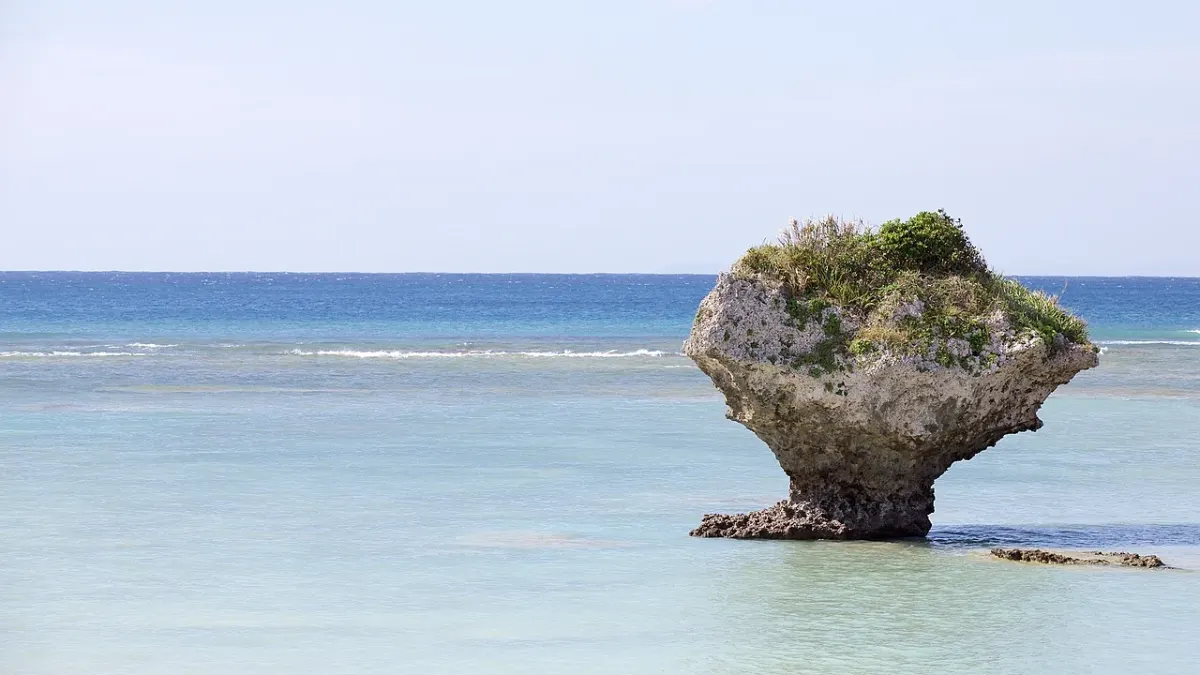
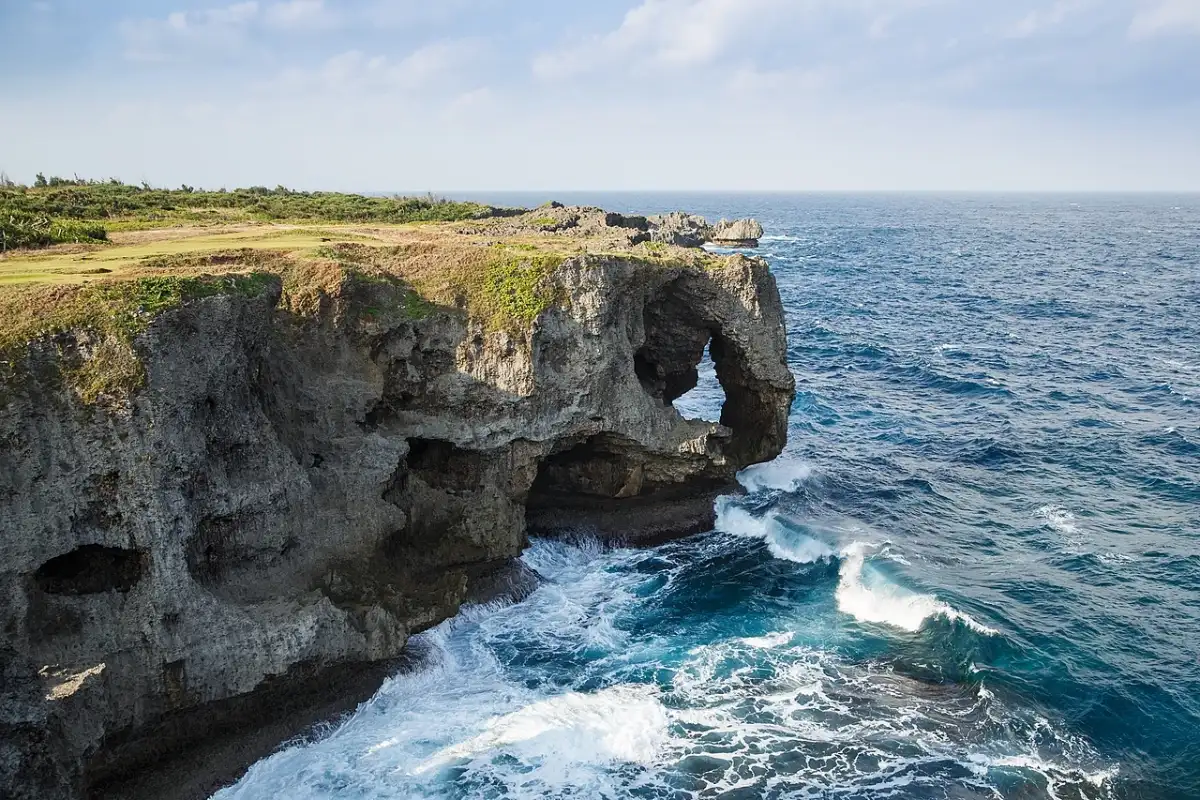
Beaches: Okinawa and the islands of Miyako and Ishigaki have Japan’s best beaches and coral reefs. Closer to Tokyo, Kamakura, Enoshima and the Izu Peninsula are popular with locals.
Heading north for summer?
Compare hotels in Sapporo, Furano and the Japanese Alps for July and August.
Climbing Mt Fuji
The official climbing season runs from early July to around September 10. The most popular Yoshida Trail opens on July 1, and the Shizuoka trails around July 10. Hikers now need to pay an entry fee of about ¥4,000 and, on some trails, register in advance. Most climbers start in the afternoon, sleep briefly in a mountain hut and reach the summit for sunrise. Huts must be booked well ahead, and the summit is near freezing even in August, so bring warm layers and a headlamp. Our Mt Fuji day trip guide covers the lakes at the foot of the mountain if you would rather see it than climb it.
Obon and other busy periods
Obon, in the middle of August (roughly August 13 to 16), is when Japanese families return to their hometowns. Shinkansen, flights and highways are packed, and hotel prices rise, especially in resort areas. Book long-distance trains early if you travel then. City centers like Tokyo are, if anything, a little quieter.
School summer holidays run from late July through August, so theme parks, beaches and family attractions are busy throughout.
How to cope with the heat
- Start early. Visit temples and outdoor sights from 7 or 8 am, rest at your hotel or in museums from 1 to 4 pm, and go back out for the evening.
- Use the indoors. Department stores, underground malls, museums, aquariums and teamLab are well air-conditioned.
- Drink before you are thirsty. Vending machines are everywhere. Sports drinks such as Pocari Sweat replace salt as well as water.
- Use local cooling gear. Convenience stores sell cooling towels, sprays and wipes, handheld fans and salt candies.
- Know the signs of heatstroke: dizziness, headache, nausea or stopping sweating. Get into air conditioning and drink fluids. Call 119 if symptoms are severe.
What to pack
- Light, breathable clothing in cotton, linen or quick-dry fabrics, and a spare shirt for long days.
- A hat, sunglasses and high-SPF sunscreen. A parasol is common and useful.
- A compact umbrella for sudden afternoon storms, especially in June and July.
- Comfortable sandals or breathable shoes that slip off easily for temples.
- Modest clothing for temples and shrines: avoid very short shorts and tops if you plan to go inside.
- Insect repellent for gardens, hiking and evening festivals.
Typhoon season worries?
Travel insurance can cover delays and cancellations caused by storms.
Summer is not the most comfortable season in Japan, but it may be the most fun. If you can, combine a few festival nights in Kyoto or Tokyo with a cooler escape to Hokkaido or the mountains, and you will see both sides of a Japanese summer.
Photo: Sumida River fireworks by Zengame, CC BY 2.0, via Wikimedia Commons.
More photos: Rocks off the coast of Toguchi by Pete Birkinshaw, CC BY 2.0; Cape Manzamo, Onna, Okinawa by CEphoto, Uwe Aranas, CC BY-SA 3.0. Via Wikimedia Commons.