A rental car is the best way to see Iceland, but the insurance menu is confusing and the roads are unlike anything at home. Here is what you actually need.
This post contains affiliate links. We may earn a commission if you book through them. How we make money.
Quick answer
Basic collision cover (CDW) is included by law, but it leaves you liable for a large excess. Most visitors should add a package that includes Super CDW and Gravel Protection; add Sand and Ash Protection if you drive the south coast in windy months. No standard policy covers river crossings, so never ford a river in a rental. Rent a 4×4 only if you plan to drive the highland F-roads in summer or want extra grip in winter.
The insurance options explained
Every Icelandic rental includes third-party liability and a basic Collision Damage Waiver (CDW). The catch is the self-risk, or excess: the amount you pay if the car is damaged. With basic CDW it is often in the range of ISK 300,000 to 500,000, roughly $2,000 to $3,500. The add-ons below reduce that amount or cover damage the CDW leaves out.
| Cover | What it does | Worth it? |
|---|---|---|
| CDW (included) | Covers collision damage above a high excess | Comes with every rental |
| Super CDW (SCDW) | Lowers the excess, often to a few hundred dollars | Yes, for most drivers |
| Gravel Protection (GP) | Chips and cracks to windshield, lights and paint from flying stones | Yes. Gravel damage is the most common claim |
| Sand and Ash Protection (SAAP) | Paint and glass damage from sandstorms | On the south coast, especially in spring, autumn and windy weather |
| Theft Protection (TP) | Theft of the vehicle | Often included; car theft is rare in Iceland |
| Zero-excess or premium packages | Bundles the above with a very low or zero excess | Good value if you want no surprises |
Names and limits vary between companies, so read what each package includes and what the remaining excess is. Local firms often sell all-inclusive packages that cost less than adding each item separately.
Which cover do you really need?
Summer, Ring Road or Golden Circle only: SCDW plus Gravel Protection. Even on the paved Ring Road, passing trucks throw up stones, and many attractions are reached on gravel spur roads.
South coast in spring, autumn or windy forecasts: add SAAP. Strong winds near Vík and the black sand plains can strip paint and pit windows in minutes.
Winter: a full package. Ice, snow and short daylight raise the chance of minor scrapes.
Using your credit card’s rental insurance? Check the terms carefully before you decline the company’s cover. Some cards exclude certain countries or vehicles such as 4x4s and campervans, and many do not cover gravel or wind damage. You may also have to pay the rental company first and claim it back later.
What insurance never covers
- River crossings and water damage. Even on F-roads that require fording, no policy covers water damage to the engine or underbody.
- Wind damage to doors. A gust can bend a door right off its hinges. Park facing into the wind and hold the door firmly with both hands.
- Driving off-road. It is illegal in Iceland, fined heavily and not covered.
- Driving on F-roads in a 2WD car, or on any road closed by the authorities.
- Undercarriage and tire damage are excluded or limited on many policies.
2WD or 4×4?
A small 2WD car is fine for the Ring Road, the Golden Circle, the Snæfellsnes peninsula and most sights from late spring to early autumn. You need a 4×4 for the F-roads into the highlands, such as the routes to Landmannalaugar or Askja. These roads usually open from late June or early July until September, depending on snow. In winter, a 4×4 with good winter tires gives extra confidence on icy, snowy roads, especially outside the southwest.
Campervans are popular in summer and save on hotels, but they catch the wind badly and are uncomfortable in winter storms. Wild camping in a vehicle is not allowed; use campsites.
Road rules and fines
| Rule | Detail |
|---|---|
| Speed limits | 90 km/h on paved roads, 80 km/h on gravel, 50 km/h in towns unless signed |
| Headlights | Must be on at all times, day and night |
| Seat belts | Required for every passenger |
| Alcohol | Limit is very low (0.2 per mille); best not to drink at all |
| Off-road driving | Illegal, with very large fines |
| Single-lane bridges | The car closest to the bridge has right of way; slow down and check |
Speed cameras are common and fines are high, often hundreds of dollars for a modest overspeed. The rental company will pass the fine on with an admin fee. Never stop on the road itself to take photos; use marked pullouts. Sheep wander onto rural roads in summer, and you are liable if you hit one.
Booking and pickup tips
- Book early for summer. Automatic cars and 4x4s sell out by June. Manual cars are cheaper and more available.
- Pick up at Keflavík Airport. Most companies have offices there or a short shuttle away, so you can skip the airport bus to Reykjavík.
- Age and license. Drivers usually need to be at least 20 for small cars and 23 to 25 for larger 4x4s. A license in the Latin alphabet held for at least a year is normally accepted; otherwise bring an International Driving Permit.
- Photograph the car. Take a video around the car, including the windshield and wheels, before you drive off.
- Fuel. Many stations are unstaffed, and pumps may ask for a PIN. Know your card’s PIN, or buy a prepaid fuel card from the station shop.
Comparing rental cars?
Check prices from local and international companies, with insurance packages shown up front.
Driving in winter
Winter driving in Iceland is manageable if you plan around the weather instead of the itinerary. Daylight drops to about four or five hours in December. Check three websites every morning: road.is for road conditions and closures, vedur.is for the weather and wind forecasts, and safetravel.is for alerts. If a road is closed or a storm warning is issued, wait. Closed roads are closed for a reason, and closures are not covered by insurance.
Keep the tank above half, carry snacks and water, and keep your phone charged. In an emergency, call 112.
Need cover for the whole trip?
Travel insurance protects you against weather delays, cancellations and medical costs.
Bottom line: take the company’s mid-level package with Super CDW and Gravel Protection, add sand and ash cover for the south coast, and leave river crossings to the guided super-jeep tours.
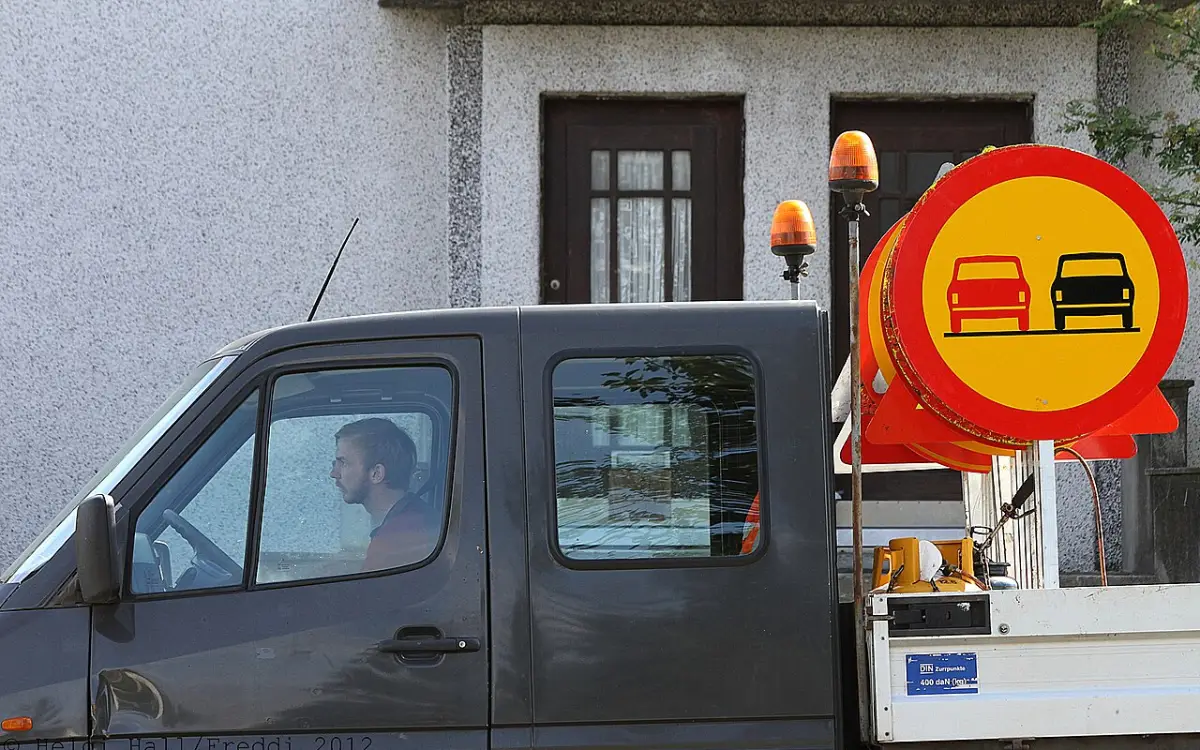
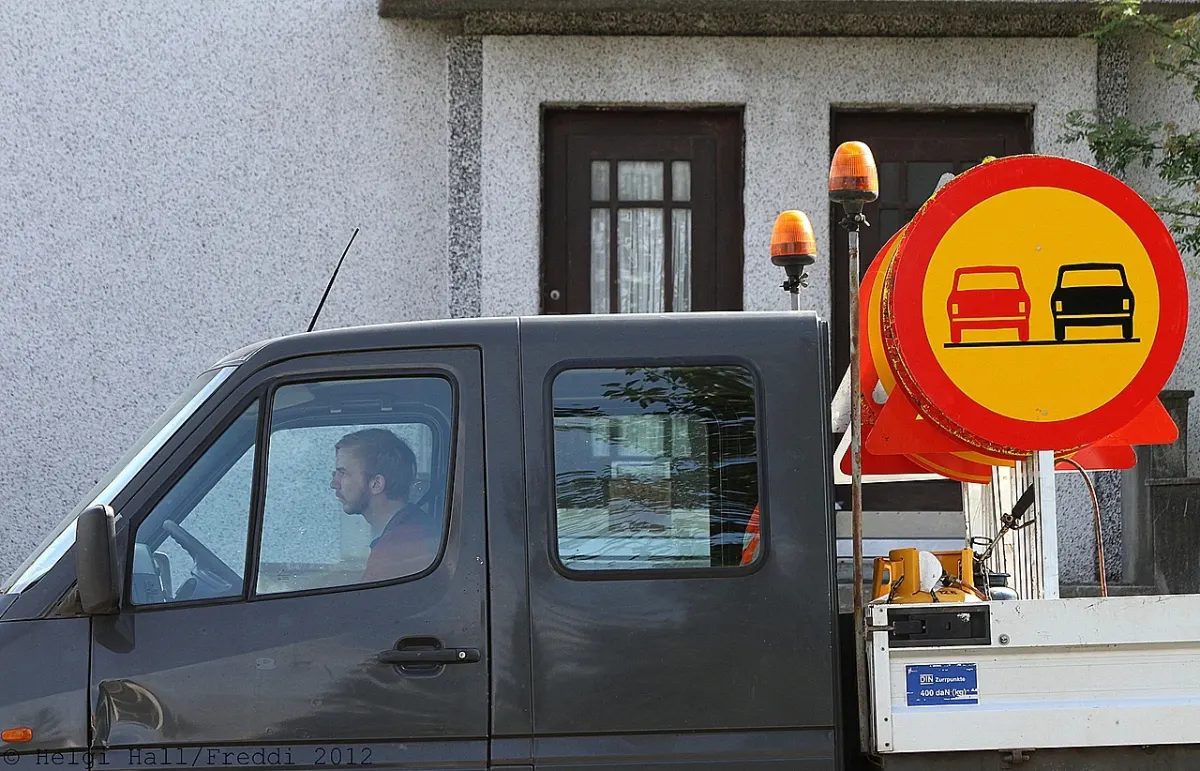
Photo: Driving in Iceland by Helgi Halldórsson, CC BY-SA 2.0, via Wikimedia Commons.
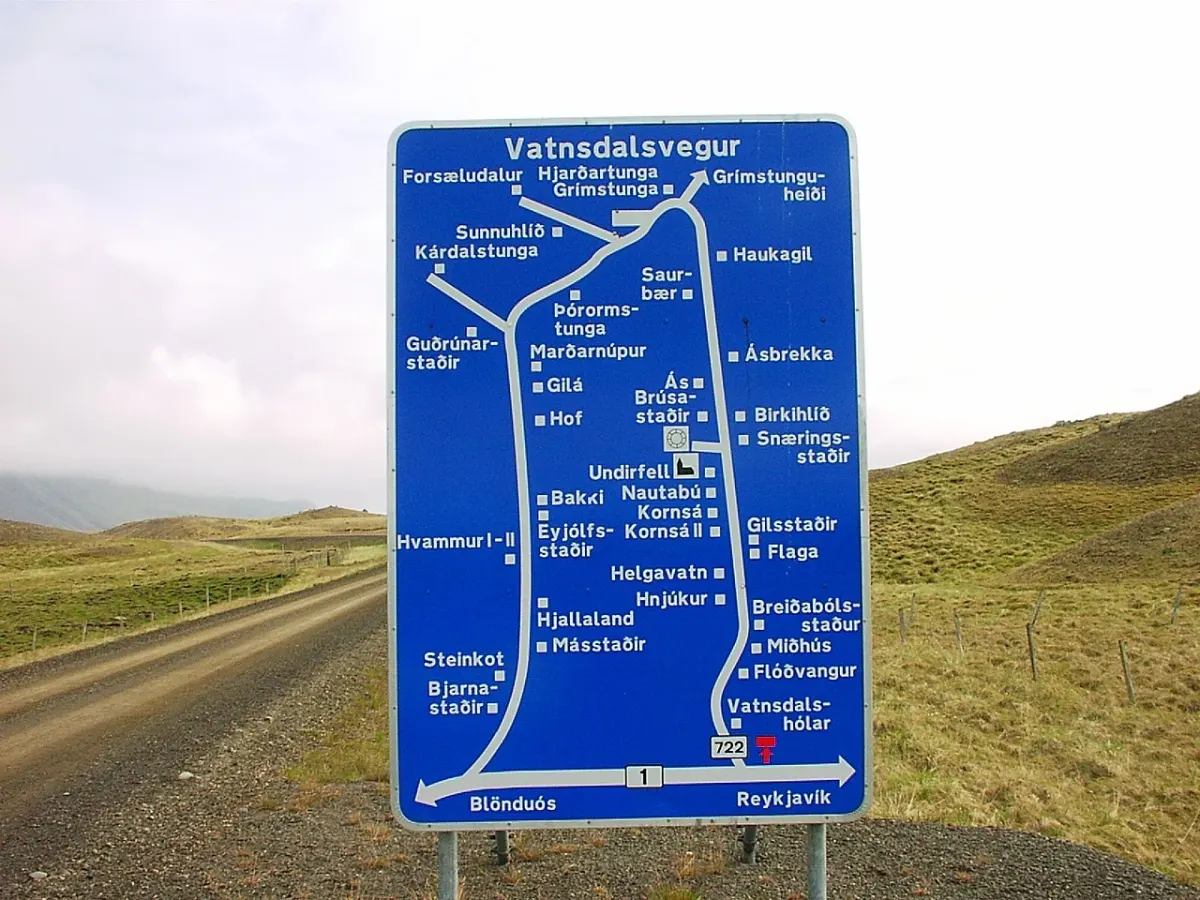
More photos: Driving in Iceland by Helgi Halldórsson, CC BY-SA 2.0; Icelandic road sign by Jutta234, CC BY-SA 2.5. Via Wikimedia Commons.