Kyoto’s sights are spread out and its buses are slow and crowded. Where you sleep makes a bigger difference here than in almost any other Japanese city.
This post contains affiliate links. We may earn a commission if you book through them. How we make money.
Quick answer
Stay downtown (around Shijo and Kawaramachi) for the best mix of restaurants, transport and walking distance to Gion. Choose Kyoto Station if you are making day trips or arriving and leaving by Shinkansen. Pick Gion or Higashiyama for traditional atmosphere and early starts at the temples, and accept higher prices and fewer dinner options late at night.
The three main areas compared
| Area | Best for | Mid-range double, per night | Downsides |
|---|---|---|---|
| Downtown (Shijo / Kawaramachi) | First-timers, food lovers | $130–$250 | Busy shopping streets |
| Kyoto Station | Day trips, short stays, late arrivals | $120–$230 | Less charm, far from Gion on foot |
| Gion / Higashiyama | Atmosphere, couples, early risers | $180–$400 | Pricey, crowded by day, quiet at night |
Prices are a guide for well-reviewed rooms outside peak periods. Expect much higher rates and fewer choices in late March to early April and in the second half of November.
Downtown Kyoto: the best all-round base
The grid of streets between Karasuma and Kawaramachi, from Oike down to Shijo, is the commercial heart of Kyoto. You are steps from Nishiki Market, the restaurants of Pontocho and the covered shopping arcades, and a 10 to 15 minute walk across the Kamo River to Gion. The Karasuma subway line and Hankyu and Keihan railways connect you with Kyoto Station, Fushimi Inari, Arashiyama and Osaka.
Stay here if: it is your first visit, you want lots of dinner options, or you plan a day trip to Osaka on the Hankyu line.
Look for: hotels within five minutes of Karasuma-Oike, Shijo or Kyoto-Kawaramachi stations.
Kyoto Station: practical and well connected
Kyoto Station is the city’s transport hub: the Shinkansen, the Haruka express to Kansai Airport, JR trains to Nara and Fushimi Inari, the subway and most city buses all leave from here. There are hundreds of hotels nearby, from budget business hotels to big international brands, plus a huge food court and department store in the station itself.
Stay here if: you have only one or two nights, you plan day trips to Nara, Osaka, Himeji or Hiroshima, or you have a lot of luggage.
Skip it if: you want to walk out of your hotel into old Kyoto. The area around the station is modern, and evenings are quieter than downtown.
Arriving by Shinkansen?
Compare hotels within a few minutes’ walk of Kyoto Station.
Gion and Higashiyama: old Kyoto on your doorstep
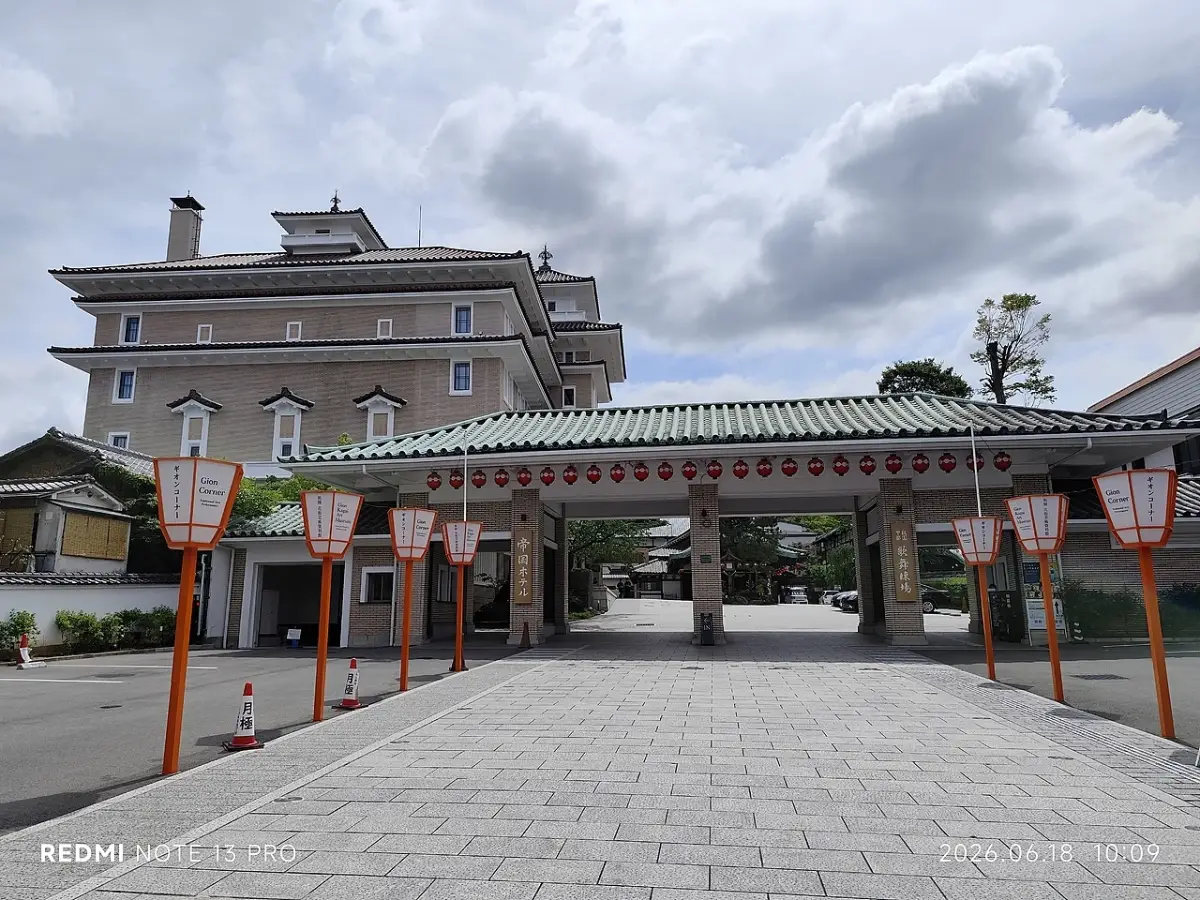
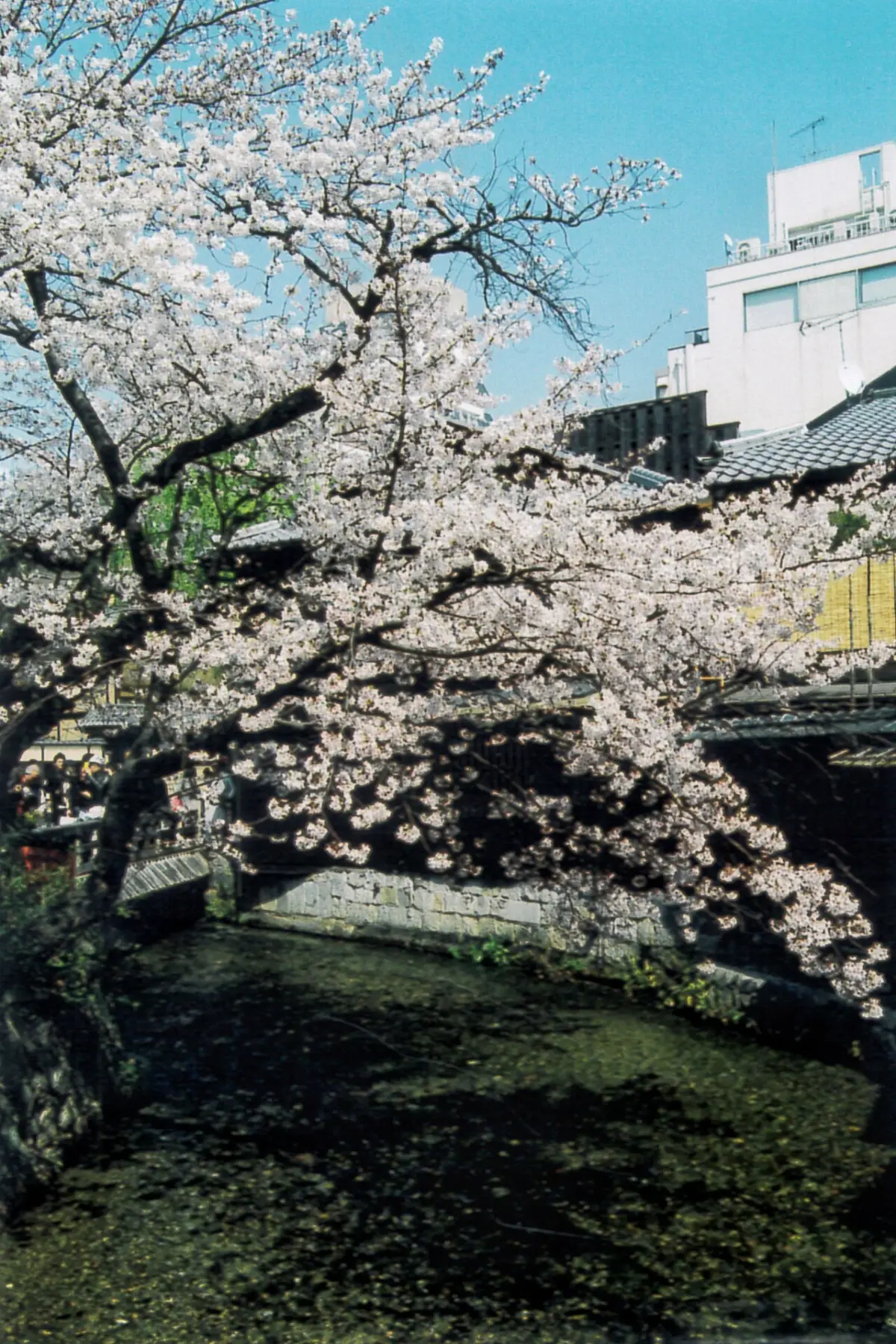
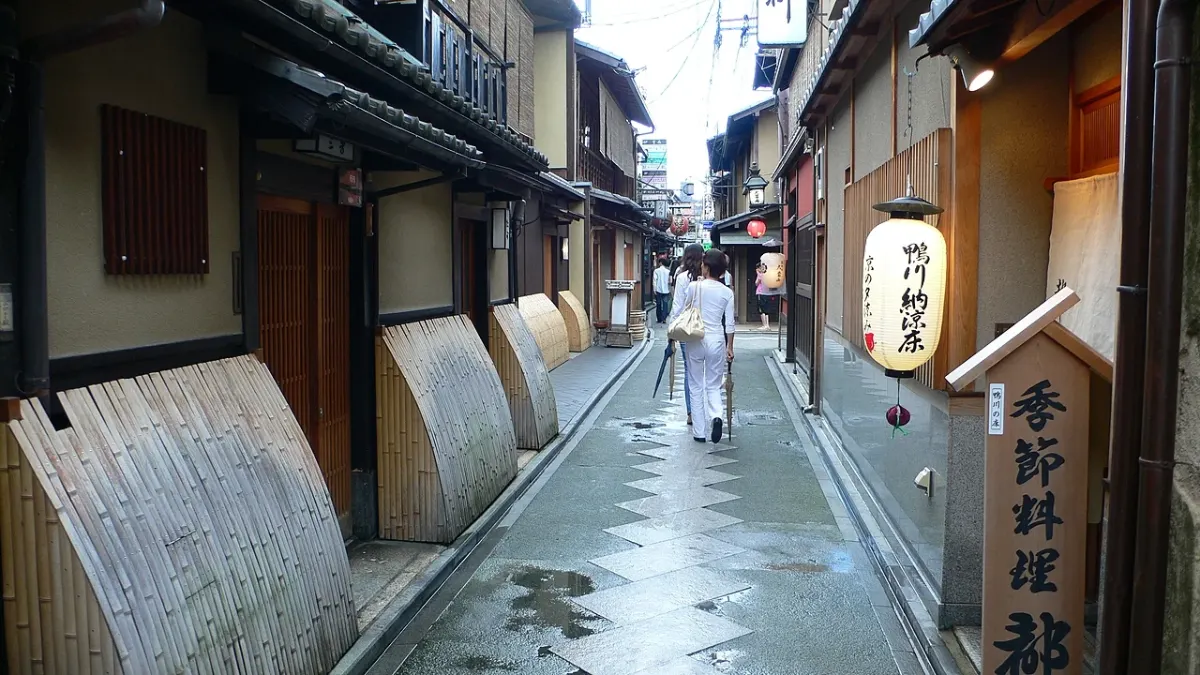
Gion is Kyoto’s best-known geisha district, with wooden teahouses along Hanamikoji and the Shirakawa canal. Higashiyama, just south and east, includes the stone lanes leading up to Kiyomizu-dera and the temples along the foot of the eastern hills. Staying here means you can be at Yasaka Shrine or Ninenzaka at 7 am, before the day-trippers arrive.
Stay here if: atmosphere matters more than convenience, or you want a high-end ryokan or boutique hotel.
Skip it if: you are on a budget, or you hate climbing hills with luggage. Taxis are easy to find, but buses through Higashiyama are often packed.
Arashiyama and other areas
- Arashiyama: beautiful and peaceful in the evening, with some lovely riverside ryokan, but 30 minutes from central Kyoto. Best for a single special night.
- Northern Higashiyama (Okazaki, Nanzen-ji): leafy and calm, close to the Philosopher’s Path and Heian Shrine.
- Karasuma and Nijo: slightly cheaper than downtown, with good subway links and many machiya townhouse rentals.
Hotel or ryokan?
A ryokan is a traditional Japanese inn with tatami rooms, futon beds and often a large shared bath. Many include a multi-course kaiseki dinner and breakfast, which is part of the experience. In Kyoto, prices range from about $150 a night at simple family-run inns to $1,000 or more at famous ones.
For most first-timers, the best plan is to stay in a hotel for most nights and add one night at a ryokan. Check the dinner time, which is often fixed around 6 pm, and whether the room has its own bathroom.
Our pick by traveler type
First-timers: downtown, near Shijo or Karasuma-Oike stations.
Couples: Gion or Higashiyama for evening walks, or a riverside hotel along the Kamo River.
Families: Kyoto Station. Hotels have larger rooms, the station has easy food options, and day trips to Nara or Osaka are simple with kids.
Budget travelers: around Kyoto Station or Karasuma, where business hotels and hostels are plentiful.
Day-trippers: Kyoto Station, without question. You can reach Nara, Osaka, Himeji and even Hiroshima without changing stations.
Photographers: Higashiyama, so you can reach the old lanes and temples before 7 am.
Booking tips
- Do not rely on buses. Kyoto’s buses are often full in peak season. A hotel near a subway or train station saves time and stress.
- Book early for spring and autumn. The best-located hotels sell out months ahead for cherry blossom and foliage season.
- Check the accommodation tax. Kyoto charges a per-person nightly tax that rises with the room rate, from a few hundred yen at budget hotels to several thousand at luxury ones. It is usually paid at check-in.
- Use luggage forwarding if you are arriving from Tokyo, so you can sightsee on arrival day without your bags.
If you are unsure, choose a downtown hotel near Shijo or Karasuma-Oike stations. You will be able to walk to dinner every night and reach almost every sight in 30 minutes or less.
Photos: Tatsumi Bridge, Kyoto by Kirin7739, CC0. Via Wikimedia Commons.
More photos: Hanamikoji Dori, Gion by HAGAT hOMSZE, CC0; Pontocho, Kyoto by Wolfiewolf, CC BY 2.0. Via Wikimedia Commons.