Osaka is Japan’s food capital and its most outgoing big city: loud, friendly and built for eating. Two days are enough for its highlights and a morning among the deer of Nara.
This post contains affiliate links. We may earn a commission if you book through them. How we make money.
Quick answer
Day 1: Osaka Castle in the morning, Kuromon Market for lunch, then Shinsekai and Dotonbori for street food into the night. Day 2: Nara’s deer park and Todai-ji in the morning (40 minutes by Kintetsu train from Namba), back for the Umeda Sky Building at sunset and dinner in Umeda or Fukushima. Stay around Namba for nightlife or Umeda for transport.
The plan at a glance
| Time | Day 1 | Day 2 |
|---|---|---|
| Morning | Osaka Castle and park | Nara: deer park, Todai-ji |
| Lunch | Kuromon Market | Nara or Naramachi |
| Afternoon | Shinsekai, Tsutenkaku Tower | Kasuga Taisha, train back |
| Evening | Dotonbori and Hozenji Yokocho | Umeda Sky Building, Fukushima izakaya |
Day 1: Castle, markets and Dotonbori
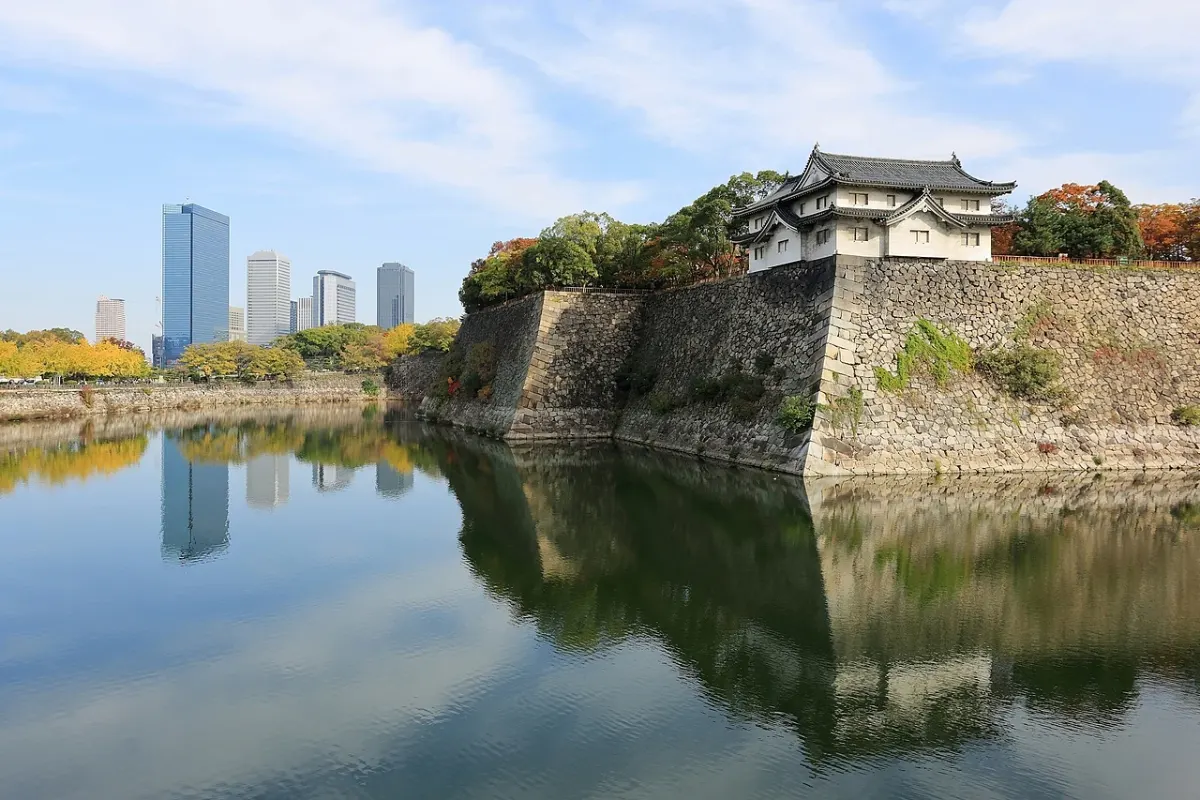
Osaka Castle (9–11:30 am): the castle’s main tower is a modern reconstruction with a museum inside, but the huge stone walls, moats and park are the real attraction. Climb to the top-floor observation deck for views over the city. In spring, Nishinomaru Garden is one of Osaka’s best cherry blossom spots. A roofed Gozabune boat ride around the inner moat is fun with kids.
Kuromon Market (12–1:30 pm): take the subway to Nippombashi. This covered market sells grilled scallops, wagyu skewers, fresh sea urchin and fruit, often prepared to eat on the spot. It is pricey and touristy, but great for grazing. Go hungry.
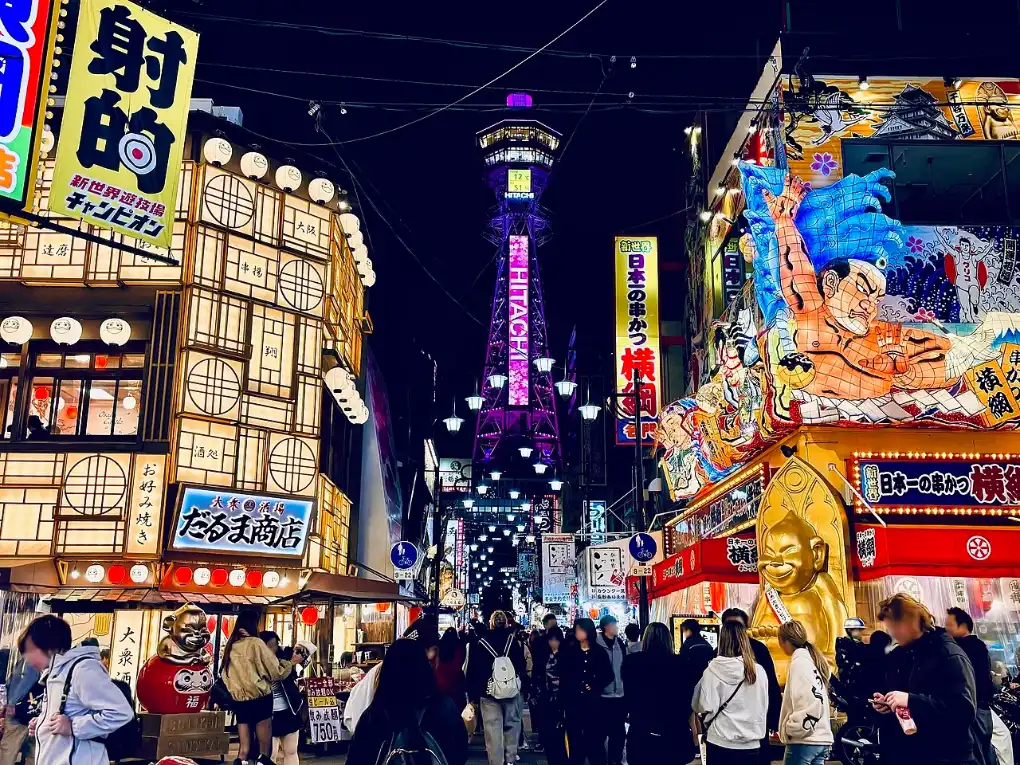
Shinsekai (2–4:30 pm): a retro neighborhood built in the early 20th century around Tsutenkaku Tower, with neon signs, old-school arcades and kushikatsu restaurants, which serve deep-fried skewers. Remember the house rule: no double-dipping in the shared sauce. Nearby, Tennoji Park and Abeno Harukas, one of Japan’s tallest buildings, have city views.
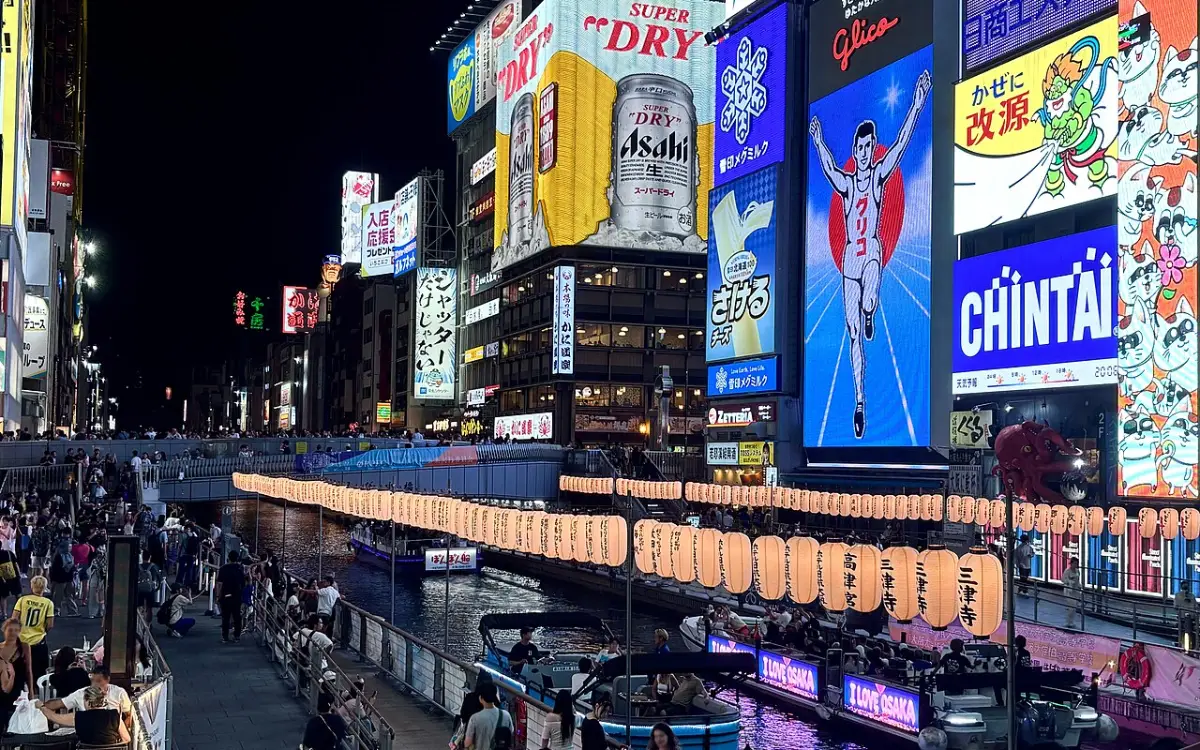
Dotonbori and Namba (5 pm onward): Osaka’s most famous street, along a canal lined with giant neon signs, mechanical crabs and the Glico running man. Eat takoyaki, okonomiyaki and gyoza as you walk, take a short canal cruise, then slip into Hozenji Yokocho, a quiet stone alley with a moss-covered Buddha statue and small restaurants. Night owls can continue to the bars of Ura-Namba.
Where to stay in Osaka?
Namba, Umeda or Shin-Osaka: our area guide compares them.
Day 2: Nara and Umeda
Nara (8:30 am–2 pm): from Osaka-Namba, the Kintetsu Nara Line reaches Kintetsu-Nara Station in about 40 minutes for around ¥680. Walk into Nara Park, where more than a thousand deer roam, and buy deer crackers to feed them. Visit Todai-ji, whose Great Buddha Hall houses a 15-meter bronze Buddha, then walk the lantern-lined path to Kasuga Taisha. Have lunch in Nara or the old Naramachi district. Our Nara day trip guide has more detail.
Back in Osaka (3–5 pm): rest at your hotel or shop in Shinsaibashi, a long covered shopping street, and Amerikamura, Osaka’s youth and vintage clothing district.
Umeda (5:30 pm onward): go up the Umeda Sky Building for sunset from its open-air Floating Garden Observatory. Then eat in Fukushima, one stop away on the JR line, a neighborhood of small, excellent izakaya, or in the retro alleys under the tracks around Umeda Station.
What to eat in Osaka
Osaka’s nickname is “the nation’s kitchen”, and locals have a word, kuidaore, meaning “to eat until you drop”.
| Dish | What it is | Where |
|---|---|---|
| Takoyaki | Octopus-filled batter balls | Dotonbori stalls |
| Okonomiyaki | Savory cabbage pancake grilled at your table | Dotonbori, Namba |
| Kushikatsu | Deep-fried skewers of meat and vegetables | Shinsekai |
| Kitsune udon | Udon with sweet fried tofu, invented in Osaka | Shinsaibashi |
| Butaman | Steamed pork buns | 551 Horai shops in stations |
| Negiyaki | Thin pancake packed with green onions | Juso, Umeda |
Swaps: USJ, Himeji or Kobe
- Universal Studios Japan: swap Day 2 for USJ and its Super Nintendo World. Book tickets and an Express Pass in advance. See our USJ Express Pass guide.
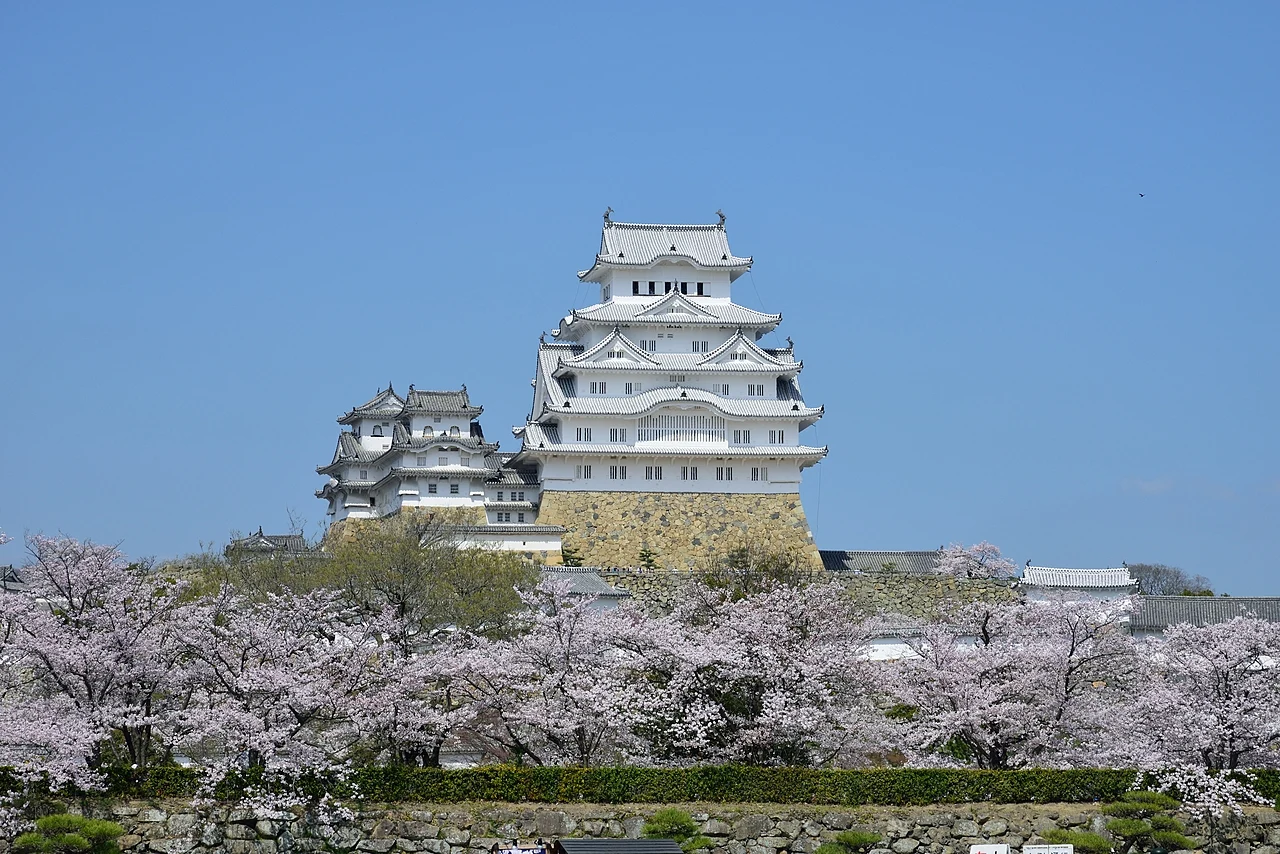
- Himeji Castle: Japan’s finest original castle is about an hour west by JR Special Rapid, or 30 minutes by Shinkansen. A great half-day alternative to Nara.
- Kobe: 20 to 30 minutes away, for Kobe beef, the harbor and the Kitano district of old Western houses.
- Kyoto: if you are not staying in Kyoto, it is only 15 minutes by Shinkansen or 30 minutes by JR Special Rapid from Osaka. See our 2 days in Kyoto plan.
Where to stay and getting around
Namba is the best base for food and nightlife, with direct trains to Nara and to Kansai Airport on the Nankai line. Umeda is better for JR trains, shopping and quick connections to Kyoto and Kobe. Shin-Osaka is convenient if you arrive or leave by Shinkansen, but has little atmosphere.
Use an IC card such as ICOCA or Suica on the subway, JR and Kintetsu lines. If you will ride the subway a lot, the Osaka Amazing Pass bundles one or two days of unlimited subway and bus travel with free entry to many sights, including the castle tower, a Dotonbori canal cruise and the Umeda Sky Building.
Two days in Osaka is mostly about eating well, walking a lot and enjoying a city that feels more relaxed and playful than Tokyo. Come hungry and leave room in your schedule for an extra snack stop or two.
Photos: Dotonbori at night by Sakai Yayoi, CC0; Himeji Castle by Seattleite7, CC BY-SA 4.0. All via Wikimedia Commons.
More photos: Osaka Castle Outer Moat by Martin Falbisoner, CC BY-SA 4.0; Shinsekai and Tsutenkaku Tower by Sakai Yayoi, CC0. Via Wikimedia Commons.