Nara was Japan’s first permanent capital, and it still has some of the country’s oldest and largest temples, set in a park where more than a thousand deer roam free. It is under an hour from both Kyoto and Osaka.
This post contains affiliate links. We may earn a commission if you book through them. How we make money.
Quick answer
Take the Kintetsu line to Kintetsu-Nara Station, which is closest to the park: about 35 to 45 minutes from Kyoto and 40 minutes from Osaka-Namba. Arrive by 9 am, walk through Nara Park to Todai-ji, then on to Kasuga Taisha and finish in the old Naramachi district. Half a day covers the highlights; a full day lets you add gardens and Mt Wakakusa. No pass is needed.
Getting there from Kyoto and Osaka
| From | Train | Time | Approx. fare |
|---|---|---|---|
| Kyoto | Kintetsu Limited Express to Kintetsu-Nara | About 35 min | About ¥1,300 (reserved seat) |
| Kyoto | Kintetsu Express or Rapid | About 45 min | About ¥760 |
| Kyoto | JR Nara Line Miyakoji Rapid to JR Nara | About 45 min | About ¥760 (free with JR Pass) |
| Osaka-Namba | Kintetsu Nara Line Rapid Express | About 40 min | About ¥680 |
| Osaka Station | JR Yamatoji Rapid to JR Nara | About 50 min | About ¥820 (free with JR Pass) |
Fares are approximate for late 2026. Kintetsu-Nara Station is a 5-minute walk from the park; JR Nara Station is about 20 minutes away on foot, or a short bus ride. All trains accept IC cards such as Suica or ICOCA, except the Kintetsu limited express seat supplement, which you buy at the station.
From Kyoto, the JR Nara Line also stops at Inari, so you can combine Fushimi Inari in the early morning with Nara afterward.
What to see
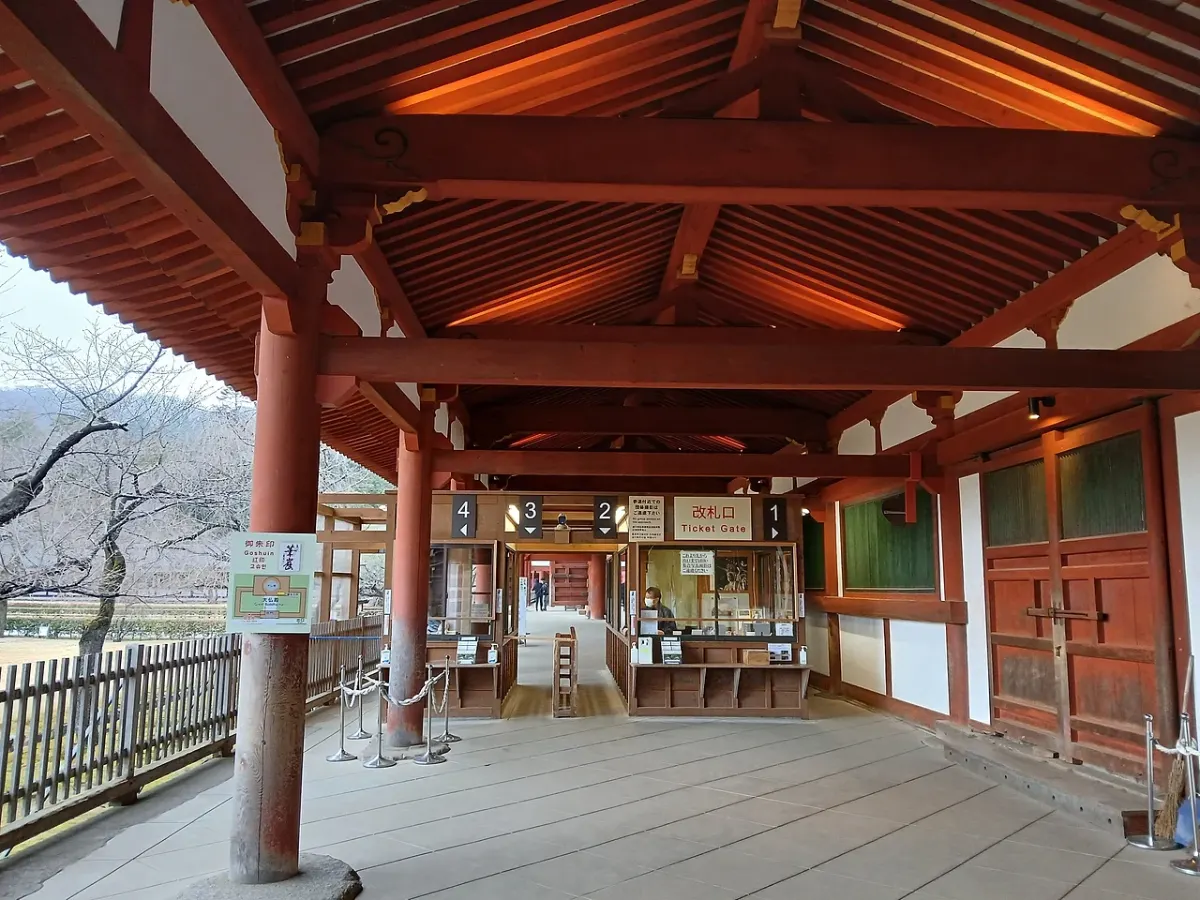
Todai-ji: the highlight of Nara. Its Great Buddha Hall is one of the largest wooden buildings in the world, and inside sits a 15-meter bronze Buddha cast in the 8th century. Look for the pillar with a hole at its base; squeezing through is said to bring enlightenment, and children do it happily. Entry is about ¥800. Don’t miss the giant Nandaimon gate with its two fierce wooden guardians on the way in.
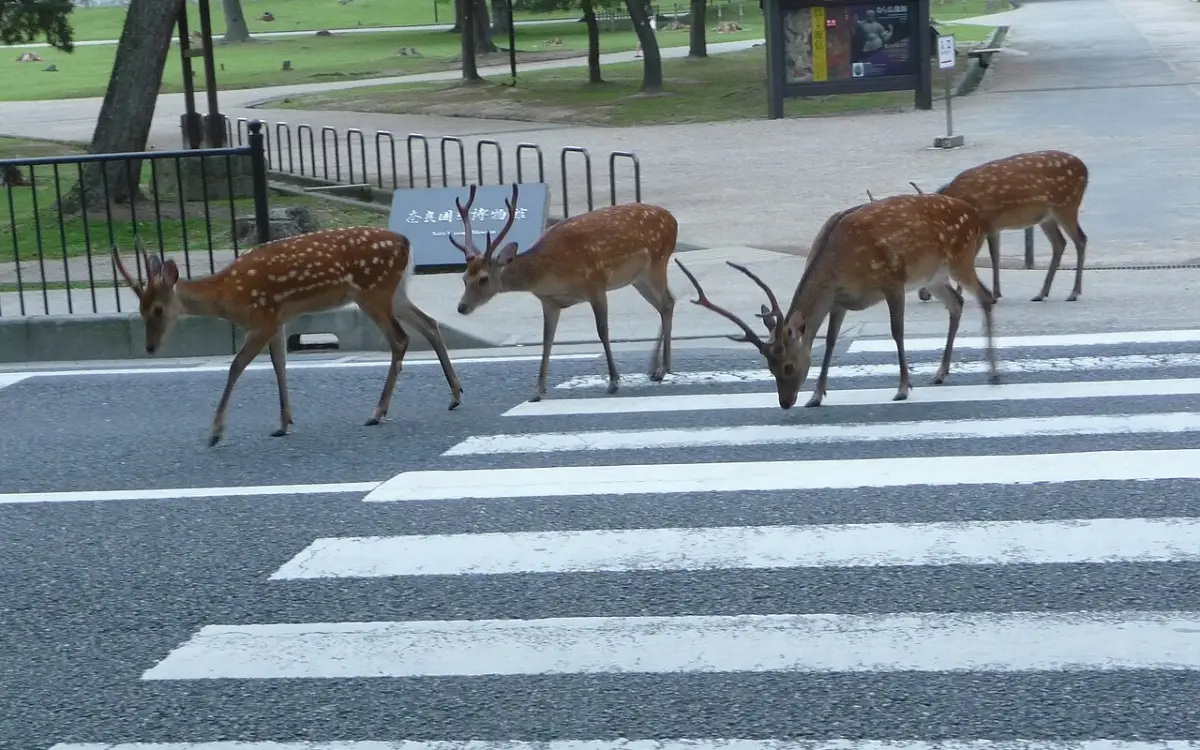
Nara Park: a huge park of lawns and woods where around 1,300 sika deer roam. They are considered messengers of the gods and are protected.
Kasuga Taisha: Nara’s grand shrine, reached through a forest path lined with some 2,000 moss-covered stone lanterns. Inside are hundreds of bronze lanterns hanging from the vermilion corridors.
Kofuku-ji: a temple near the station with a national treasure museum. Its famous five-story pagoda is under major restoration and covered in scaffolding until around 2031.
Isuien and Yoshikien gardens: two beautiful Japanese gardens right next to Todai-ji. Yoshikien is smaller and usually cheaper, and has at times been free for overseas visitors; check at the gate.
Naramachi: the old merchant quarter south of the park, with wooden townhouses, small museums, cafes and craft shops.
A walking route with timings
| Time | Stop |
|---|---|
| 9:00 | Arrive Kintetsu-Nara, walk past Kofuku-ji into Nara Park |
| 9:30–11:00 | Nandaimon gate and Todai-ji’s Great Buddha Hall |
| 11:00–11:45 | Isuien or Yoshikien garden |
| 12:00–13:00 | Lunch near the park or Naramachi |
| 13:15–14:30 | Lantern path to Kasuga Taisha |
| 14:30–16:00 | Naramachi, or climb Mt Wakakusa for the view (open spring to autumn) |
| 16:30 | Train back to Kyoto or Osaka |
For a half-day visit, do Todai-ji and Kasuga Taisha and skip the gardens and Naramachi. Everything is walkable, with about 6 to 8 km in total.
Combining Nara with more?
Our itinerary fits Nara and Arashiyama into three days in Kyoto.
How to behave with the deer
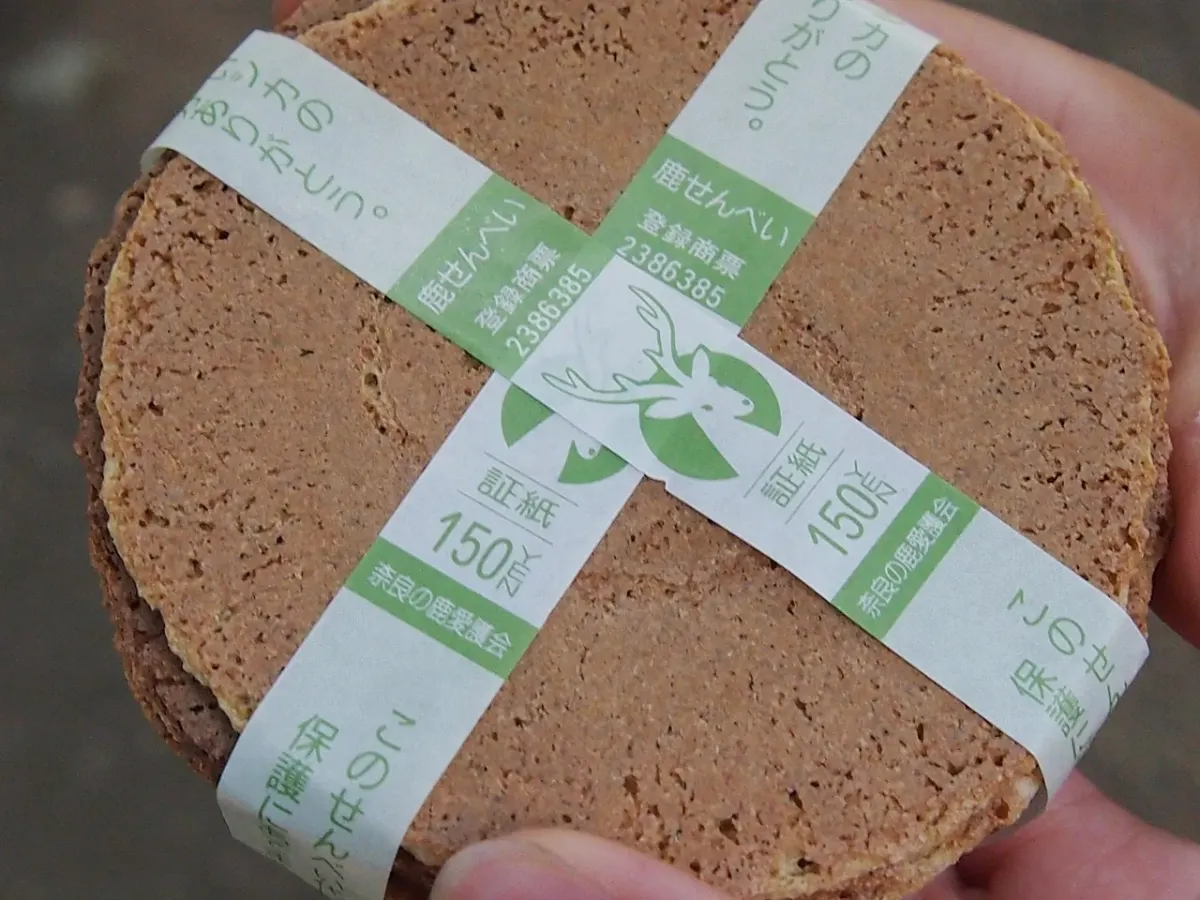
Nara’s deer are wild animals, used to people but not tame. Vendors sell shika senbei, special deer crackers, for about ¥200 a stack. Deer often bow their heads before taking one, and you can bow back.
- Do not tease them. Showing crackers and pulling them away leads to head-butts and bites.
- Feed only deer crackers. Human food and plastic bags make deer sick. Never leave rubbish in the park.
- Hide the crackers once you are out. Show your empty hands so the deer leave you alone.
- Watch children closely, and take extra care in autumn, the mating season, and in late spring, when mothers protect fawns.
- Keep paper maps and tickets away from them. They will eat paper.
What to eat
- Kakinoha-zushi: pressed sushi wrapped in persimmon leaves, a Nara specialty that makes a good picnic.
- Yomogi mochi: green mugwort rice cakes. Watch the fast mochi-pounding show at Nakatanidou near Kintetsu-Nara Station.
- Kuzu sweets: desserts made from Yoshino kudzu starch, sold in Naramachi cafes.
- Nara sake: the region claims to be the birthplace of Japanese sake; several breweries offer tastings.
DIY or guided tour?
Nara is very easy to do on your own: one train, one walk, clear English signs. A guided tour is worth it if you want the history behind the temples explained, or if you are combining Nara with Fushimi Inari and other Kyoto sights in a single day without handling transport. Many tours start in Kyoto or Osaka and include Todai-ji and Kasuga Taisha entry.
Want a guide?
Compare Nara day tours from Kyoto and Osaka, including combos with Fushimi Inari.
Tips
- Arrive early. School groups and tour buses arrive from about 10 am, especially in spring and autumn.
- Use lockers. Both Kintetsu-Nara and JR Nara stations have coin lockers if you are moving between Kyoto and Osaka with luggage.
- Visit in the evening. In August, the Nara Tokae festival lights the park with thousands of candles.
- Carry cash for temple entries and deer crackers.
Nara is the easiest and most rewarding day trip in the Kansai region. Even with a tight schedule, a morning among the deer and the Great Buddha is worth it. If you are planning your base, see where to stay in Kyoto or where to stay in Osaka.
Photo: Deer at Todai-ji by Immanuel Giel, CC0, via Wikimedia Commons.
More photos: Tōdai-ji Mar 2025 by Epicgenius, CC BY-SA 4.0; Shika senbei 2017 by TR15336300101, CC BY-SA 4.0. Via Wikimedia Commons.