Three weeks is enough time to see the classic cities and still reach the mountain towns, temple stays and island shrines most visitors skip. The trick is fewer, longer stops.
This post contains affiliate links. We may earn a commission if you book through them. How we make money.
Quick answer
Spend four nights in Tokyo, one in a Hakone ryokan, two in Kanazawa, two in Takayama, five in Kyoto, one at a Koyasan temple, two in Hiroshima and three in Osaka. That is 20 nights and eight bases, with no travel day longer than about four hours. Fly into Tokyo and out of Kansai Airport. On this route, single train tickets are cheaper than the national JR Pass.
The route at a glance
| Days | Base (nights) | Highlights |
|---|---|---|
| 1–4 | Tokyo (4) | Shinjuku, Shibuya, Asakusa, Nikko day trip |
| 5 | Hakone (1) | Ryokan, onsen, Lake Ashi, Mt Fuji views |
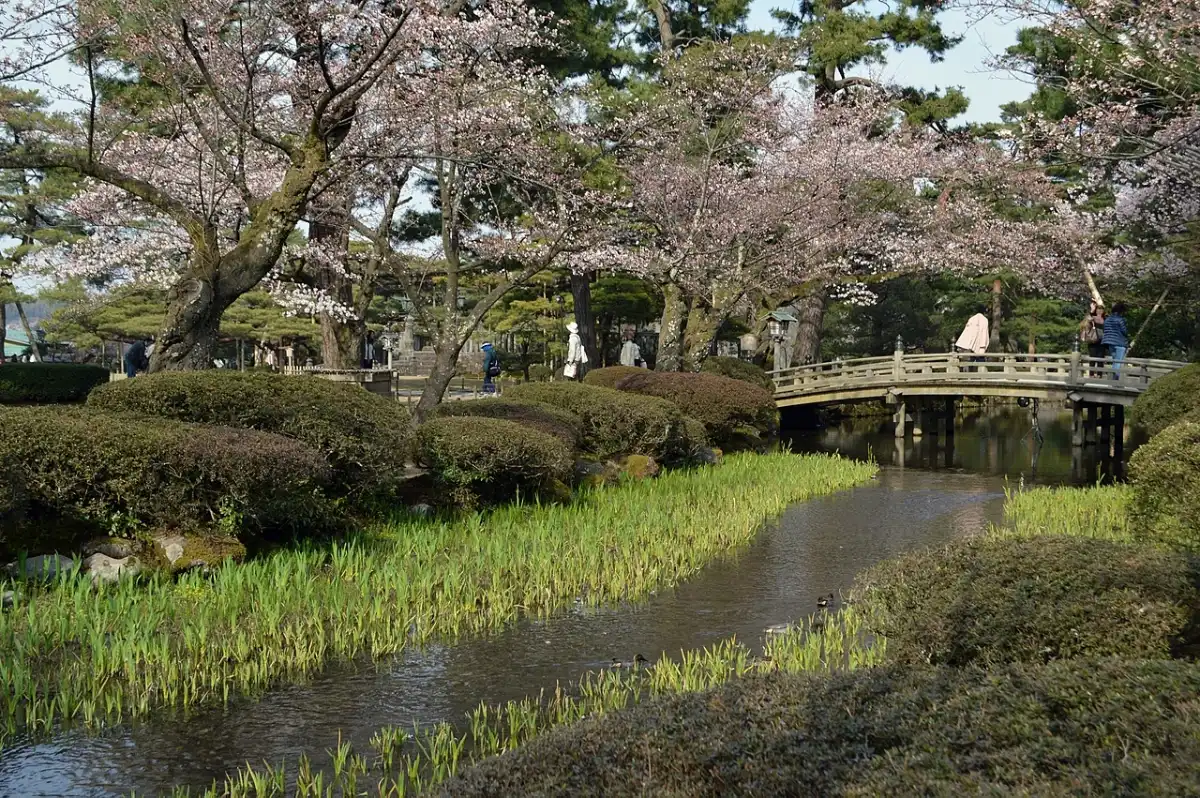
| 6–7 | Kanazawa (2) | Kenrokuen garden, geisha districts, market |
| 8–9 | Takayama (2) | Shirakawa-go, old town, morning markets |
| 10–14 | Kyoto (5) | Temples, Arashiyama, Nara day trip |
| 15 | Koyasan (1) | Temple stay, Okunoin cemetery at dusk |
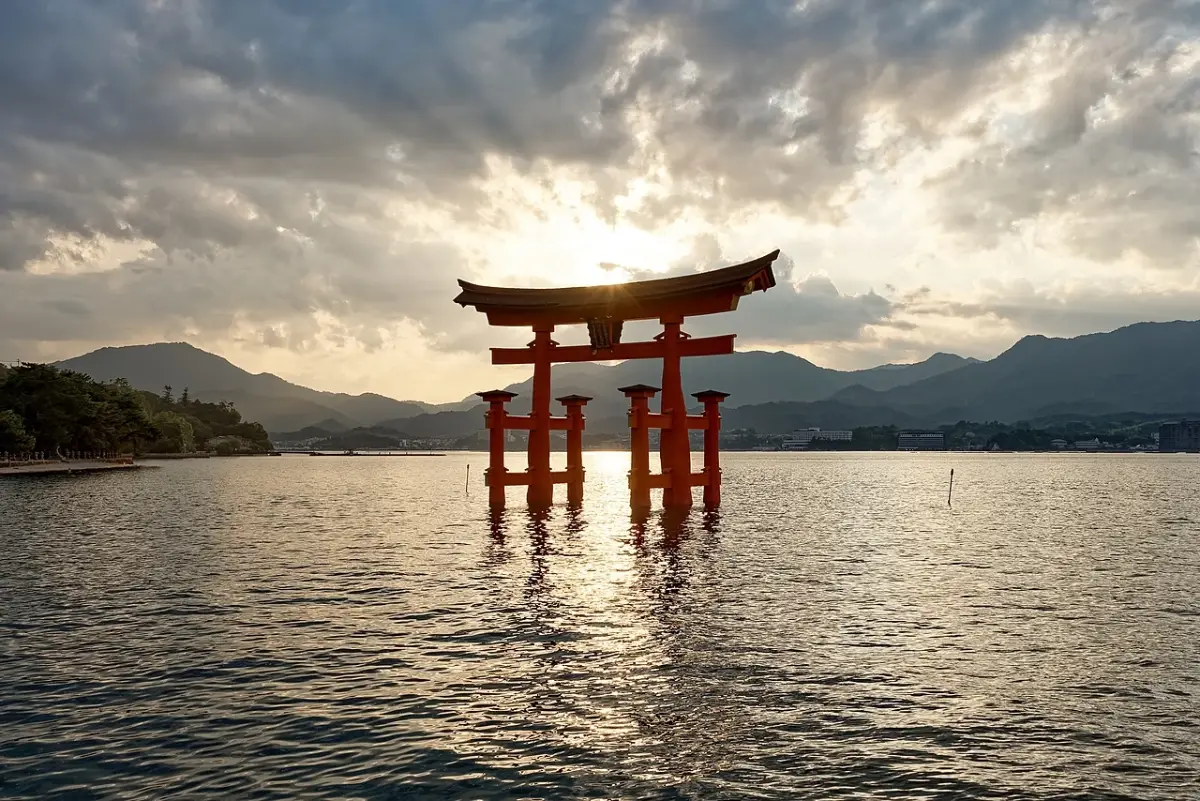
| 16–17 | Hiroshima (2) | Peace Park, Miyajima island |
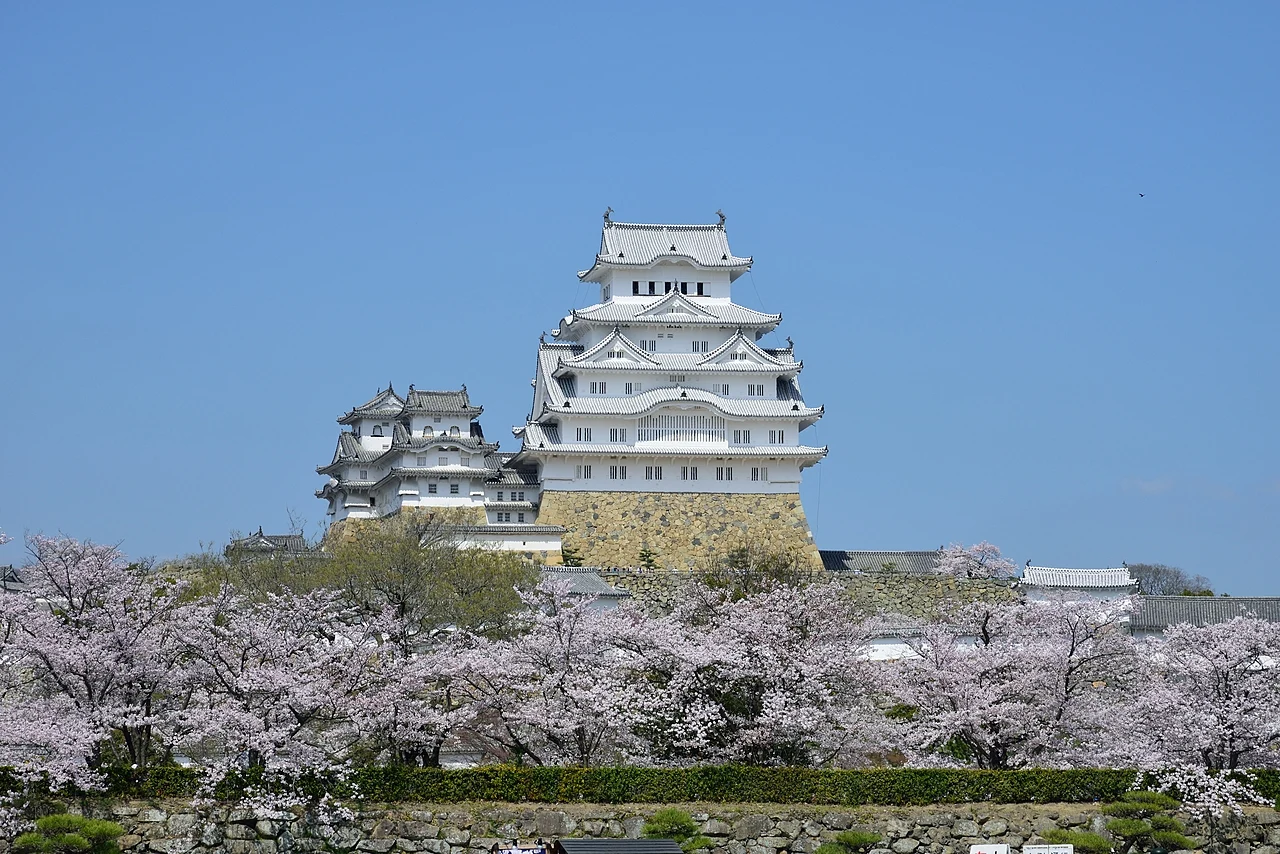
| 18–21 | Osaka (3) | Himeji Castle on the way, street food, fly home |
The order matters. Going Tokyo, then west through the Japanese Alps, then down to Kyoto avoids the backtracking that eats a day on most three-week plans. It also puts your busiest sightseeing city, Kyoto, in the middle of the trip, after jet lag has worn off and before travel fatigue sets in.
Week 1: Tokyo and Hakone
Days 1–4: Tokyo
Use the first three days for the city itself: west Tokyo (Meiji Shrine, Harajuku, Shibuya), east Tokyo (Senso-ji in Asakusa, Ueno, Akihabara) and a free day for whatever caught your eye, whether that is teamLab, Shimokitazawa’s vintage shops or a sumo stable’s morning practice. Our 3 days in Tokyo plan covers this part in detail.
On day 4, take a day trip to Nikko, two hours north. Its gold-and-lacquer Toshogu shrine sits in a cedar forest, and in autumn the nearby Lake Chuzenji area is one of the best places in Japan for fall color. Go on a weekday if you can.
Choosing a Tokyo base?
Shinjuku is easiest for a Hakone departure; Ueno suits Nikko and Narita.
Day 5: Hakone
Take the Odakyu Romancecar from Shinjuku to Hakone-Yumoto, about 85 minutes. Do the classic Hakone loop by mountain train, cable car, ropeway over the volcanic vents of Owakudani and a sightseeing boat across Lake Ashi, then spend the night in a ryokan with its own hot spring and a multi-course kaiseki dinner. One night in a ryokan is a highlight of most trips, and Hakone is the easiest place to do it.
Send your big bags ahead from Tokyo to your Kanazawa hotel with a luggage forwarding service. Ryokan rooms are small and Hakone’s trains have little luggage space.
Week 2: Kanazawa, Takayama and Kyoto
Days 6–7: Kanazawa
From Hakone, take the train to Odawara, the Shinkansen to Tokyo and then the Hokuriku Shinkansen to Kanazawa, about two and a half hours from Tokyo. Kanazawa escaped bombing in the war, so its samurai and geisha districts are largely intact. Spend a full day on Kenrokuen, often called one of Japan’s three great gardens, the castle park next door, the 21st Century Museum of Contemporary Art and the Higashi Chaya teahouse district. Eat seafood at Omicho Market, where the snow crab season runs from November to March.
Days 8–9: Takayama and Shirakawa-go
Nohi buses run from Kanazawa to Takayama in about two and a half hours, with a stop at Shirakawa-go, the UNESCO village of steep thatched farmhouses. Book the bus ahead and leave your bags in lockers at the Shirakawa-go bus terminal while you explore for two or three hours.
Takayama is a small, walkable mountain town with a beautifully preserved merchant quarter, sake breweries you can taste at, two morning markets and Hida beef sold as sushi from street stalls. Day 9 is for slowing down: the old town at 8 am, the Hida Folk Village in the afternoon, a long dinner at night.
Days 10–14: Kyoto
The Hida Limited Express runs through river gorges to Nagoya in about two and a half hours, then the Shinkansen reaches Kyoto in 35 minutes. Five nights may look generous, but Kyoto has more than a thousand temples and the best ones are crowded by 10 am, so you will want slow mornings. A good split:
- Day 11: Fushimi Inari at sunrise, then Tofuku-ji and the Kiyomizu-dera area.
- Day 12: Arashiyama bamboo grove, Tenryu-ji, then Kinkaku-ji and Ryoan-ji.
- Day 13: Nara for the deer park, Todai-ji and Kasuga Taisha.
- Day 14: The Philosopher’s Path, Ginkaku-ji and Nanzen-ji, then Gion and Pontocho in the evening.

Week 3: Koyasan, Hiroshima and Osaka
Day 15: Koyasan temple stay
Koyasan is a mountaintop monastery town of more than 100 temples, about three hours from Kyoto via Osaka’s Namba Station, the Nankai line and a cable car. Around 50 temples take overnight guests. You sleep on futons, eat vegetarian shojin ryori and can join the monks’ morning prayers. Walk through Okunoin, a forest cemetery of 200,000 moss-covered graves, around dusk, when the day visitors have gone.
Days 16–17: Hiroshima and Miyajima
Return to Osaka and take the Shinkansen to Hiroshima, about 80 minutes. Spend the afternoon at the Peace Memorial Park and museum; allow at least two hours for the museum. The next day, take the train and JR ferry to Miyajima to see the floating torii gate of Itsukushima Shrine, hike or ride the ropeway up Mt Misen, and try grilled oysters. Check the tide tables: the gate looks best at high tide, and at low tide you can walk out to it.
Days 18–21: Osaka
On the way back east, stop for half a day at Himeji, Japan’s finest original castle. Coin lockers at Himeji Station take large suitcases. Then settle into Osaka for your last three nights: Dotonbori and Kuromon Market for food, Osaka Castle, the retro Shinsekai district, and a day at Universal Studios Japan if that is your thing. Kansai Airport is 40 to 75 minutes away by train.
Trains: JR Pass or single tickets?
This route covers a lot of ground, so it is natural to assume a JR Pass will pay off. It does not, because two of the longest legs (Hakone and the Kanazawa to Takayama bus) are not on JR, and the rest are spread over three weeks.
| Leg | How | Approx. fare |
|---|---|---|
| Shinjuku → Hakone | Odakyu (Hakone Free Pass) | ¥6,100 for 2-day pass + Romancecar seat |
| Odawara → Tokyo → Kanazawa | Shinkansen | ¥18,000 |
| Kanazawa → Takayama | Nohi bus via Shirakawa-go | ¥4,000–¥5,000 |
| Takayama → Kyoto | Hida Ltd Express + Shinkansen | ¥11,000 |
| Osaka → Hiroshima | Shinkansen | ¥10,600 |
| Hiroshima → Himeji → Osaka | Shinkansen | ¥10,000 |
The JR legs add up to roughly ¥50,000 over about two weeks, well under the ¥80,000 to ¥84,000 for a 14-day JR Pass. Buy single tickets as you go, or check whether a regional pass such as the Kansai-Hiroshima Area Pass covers your final week. Fares are rounded and change, so check a route planner before booking. Our guide to Japan’s regional rail passes compares the options.
Want to double-check the pass?
If you add northern Japan or Kyushu, the math can flip. Compare prices before you decide.
Swaps and shortcuts
- Only 2 weeks? Drop Koyasan and Takayama, and cut Kyoto to four nights. See our 2-week Japan itinerary.
- Winter trip? Swap Takayama for Hokkaido (fly from Tokyo to Sapporo) for snow, ski resorts and the Sapporo Snow Festival in early February.
- Love food more than temples? Replace Koyasan with a night in Fukuoka, 65 minutes past Hiroshima, for its yatai street stalls and tonkotsu ramen.
- Want a slower pace? Cut Hakone and Nikko and give Tokyo and Kyoto an extra day each.
Practical tips
- Luggage: Forward big bags at least twice: Tokyo to Kanazawa, and Takayama to Kyoto. It costs about ¥2,500 per bag per trip and saves a lot of stress on buses and small trains.
- Book early: Hakone ryokans, Koyasan temple lodgings and the Nohi bus to Shirakawa-go fill up weeks ahead in spring and autumn.
- Laundry: Most business hotels have coin laundry. Plan a wash in Kanazawa and Kyoto and pack for one week, not three.
- Budget: Expect about $150 to $220 per person per day on a mid-range budget, more if you add extra ryokan nights. Our Japan trip cost guide breaks this down.
- Data: With three weeks of trains and buses, a reliable eSIM is worth it for live timetables and maps.
Ready to book your stays?
Compare hotels and ryokans across Tokyo, Kanazawa, Takayama, Kyoto and Osaka.
Three weeks lets you see Japan as more than a string of big cities. If you remember one thing, keep your bases to eight or fewer: each move costs half a day, and the best moments of a long trip usually come on the unhurried days in between.
Photos: Philosopher’s Path by shankar s., CC BY 2.0; Himeji Castle by Seattleite7, CC BY-SA 4.0. All via Wikimedia Commons.
More photos: View towards Hanami-bashi with sakura, Kenroku-en by DimiTalen, CC0; Itsukushima-jinja torii at sunset by Jakub Hałun, CC BY 4.0. Via Wikimedia Commons.