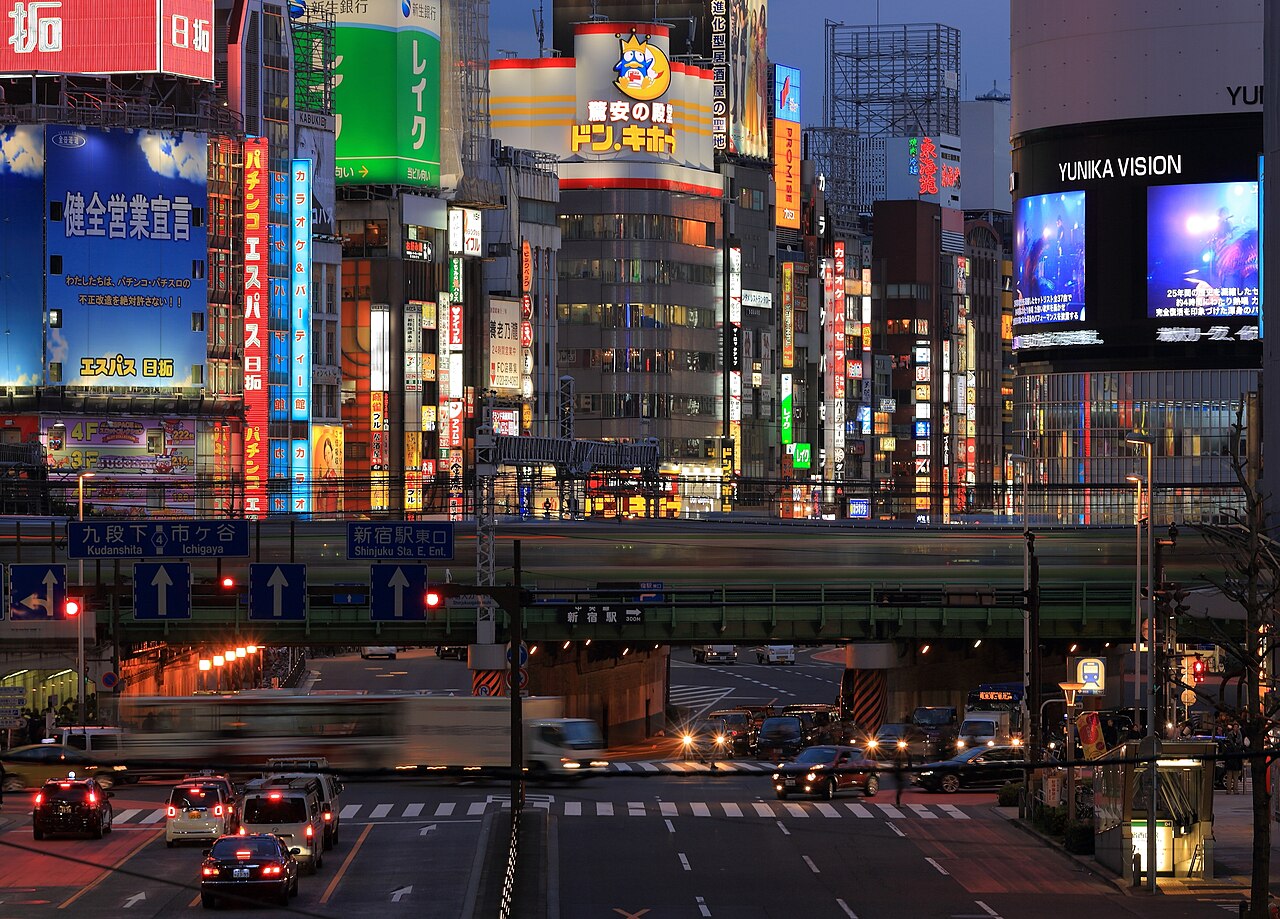
Tokyo is huge, but for a first visit you only need to choose between a handful of areas. The right one saves you an hour of train time every day.
This post contains affiliate links. We may earn a commission if you book through them. How we make money.
Quick answer
Stay in Shinjuku if you want the best transport links and nightlife, Shibuya for a younger, trendier feel, Ginza or Tokyo Station for a quieter, upscale base with easy Shinkansen access, and Asakusa if you are on a budget and like a traditional atmosphere. Whatever you pick, stay within a five-minute walk of a station on the JR Yamanote Line or a major subway line.
Tokyo’s best areas compared
| Area | Best for | Mid-range double, per night | Downsides |
|---|---|---|---|
| Shinjuku | First-timers, transport, nightlife | $130–$250 | Busy, confusing station |
| Shibuya | Shopping, younger travelers | $150–$280 | Fewer budget hotels |
| Ginza / Tokyo Station | Couples, Shinkansen day trips | $160–$300 | Quiet at night |
| Asakusa / Ueno | Budget, families, old Tokyo | $90–$170 | Longer rides to west Tokyo |
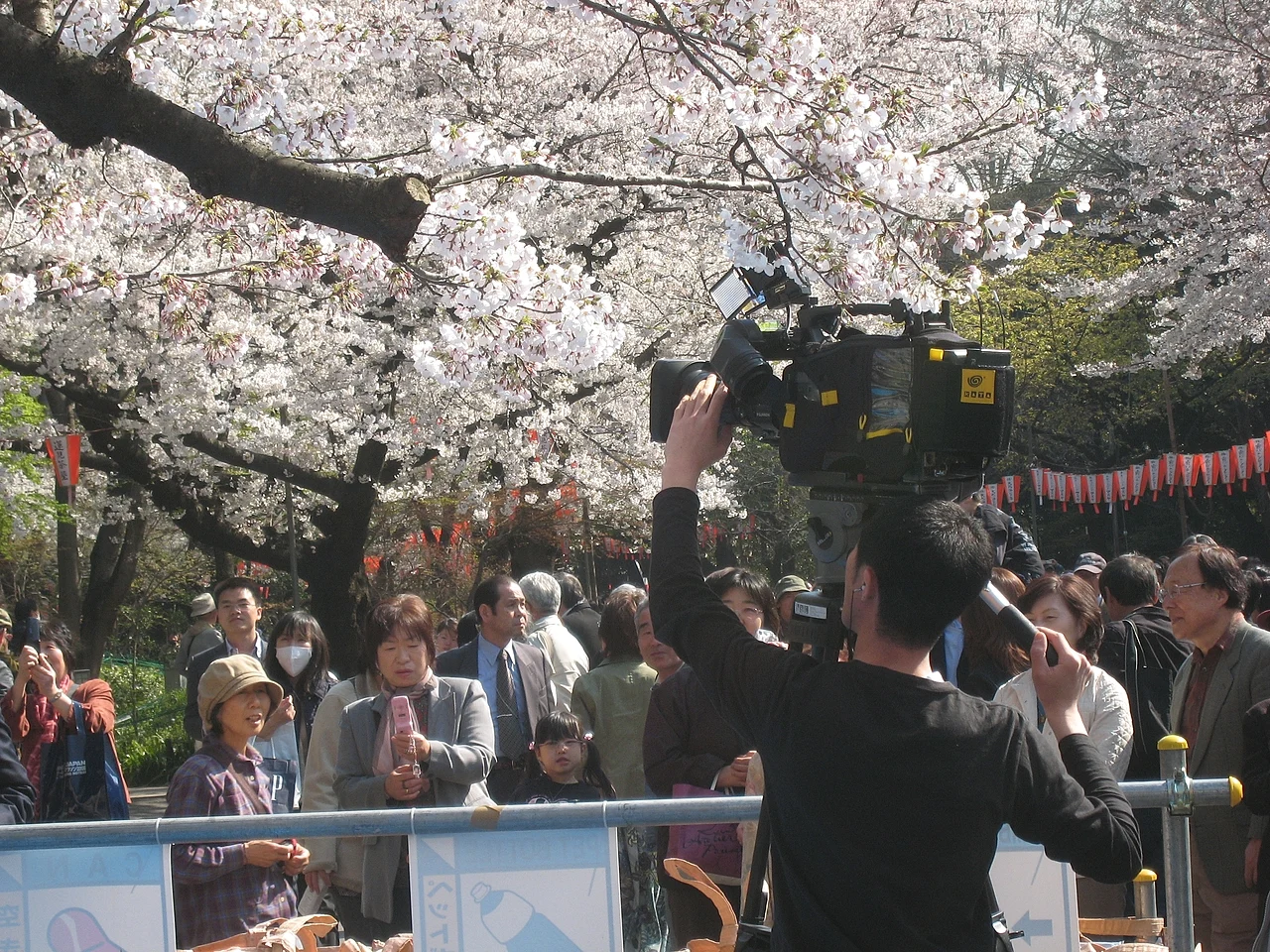
Prices are typical for a well-reviewed double room outside peak seasons and are a guide only. Expect 30 to 50 percent more during cherry blossom season in late March and early April, and in autumn foliage season in November.
Shinjuku: the best all-rounder
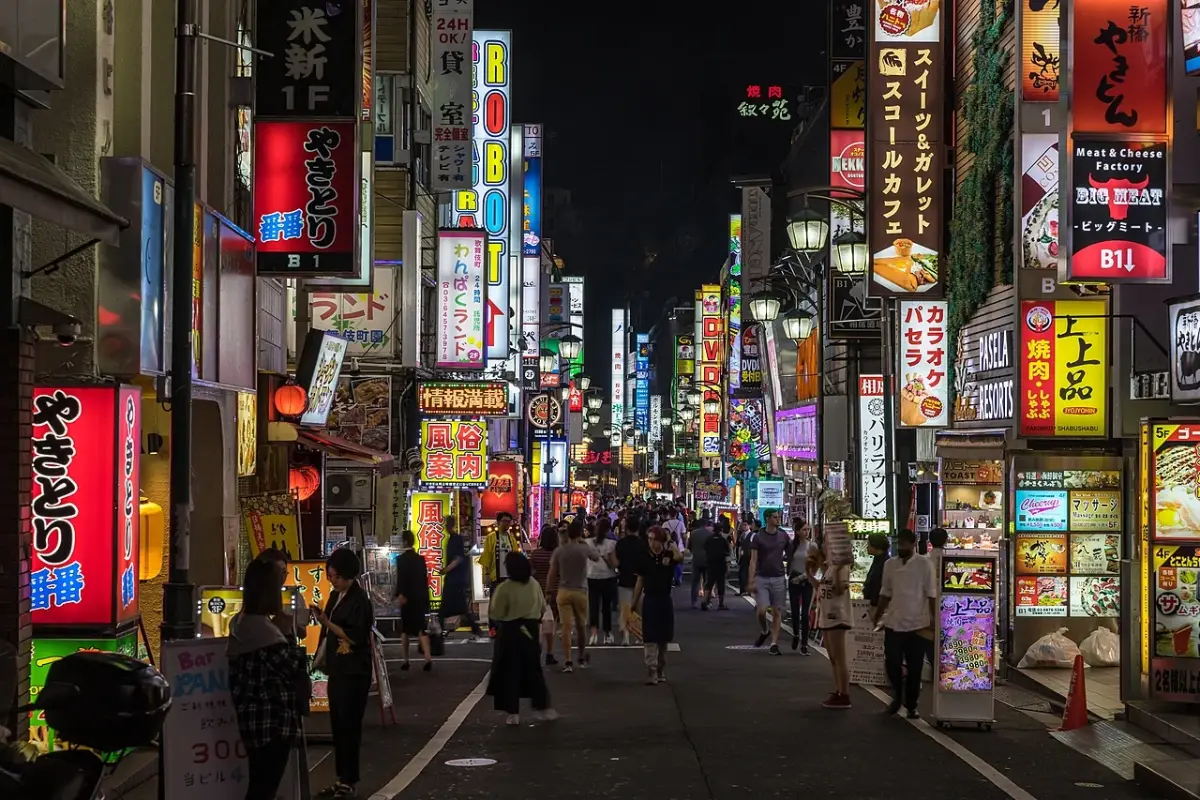
Shinjuku Station is the busiest in the world, with JR, subway and private lines going everywhere you will want to go, including direct trains and buses toward Mt Fuji and Hakone and the Narita Express to the airport. Around it you will find department stores, the neon of Kabukicho, the tiny bars of Golden Gai and Omoide Yokocho, and the calm lawns of Shinjuku Gyoen garden.
Stay here if: it is your first trip, you plan day trips west of the city, or you want food and drink until late.
Skip it if: you dislike crowds. Choose the west or south side of the station for a quieter feel; the east side around Kabukicho is lively at night but perfectly safe for visitors who ignore the touts.
Shibuya: young, stylish and central
Shibuya has the famous scramble crossing, rooftop views from Shibuya Sky and some of Tokyo’s best shopping. It is a short walk or one stop to Harajuku and Omotesando, and a few minutes to Ebisu and Daikanyama for good restaurants. Many new hotels have opened here since the station area was redeveloped.
Stay here if: you care about shopping, cafes and nightlife, or you are traveling with teenagers.
Skip it if: you are on a tight budget. Good-value hotels are rarer than in Shinjuku or Ueno.
Ginza and Tokyo Station: polished and practical
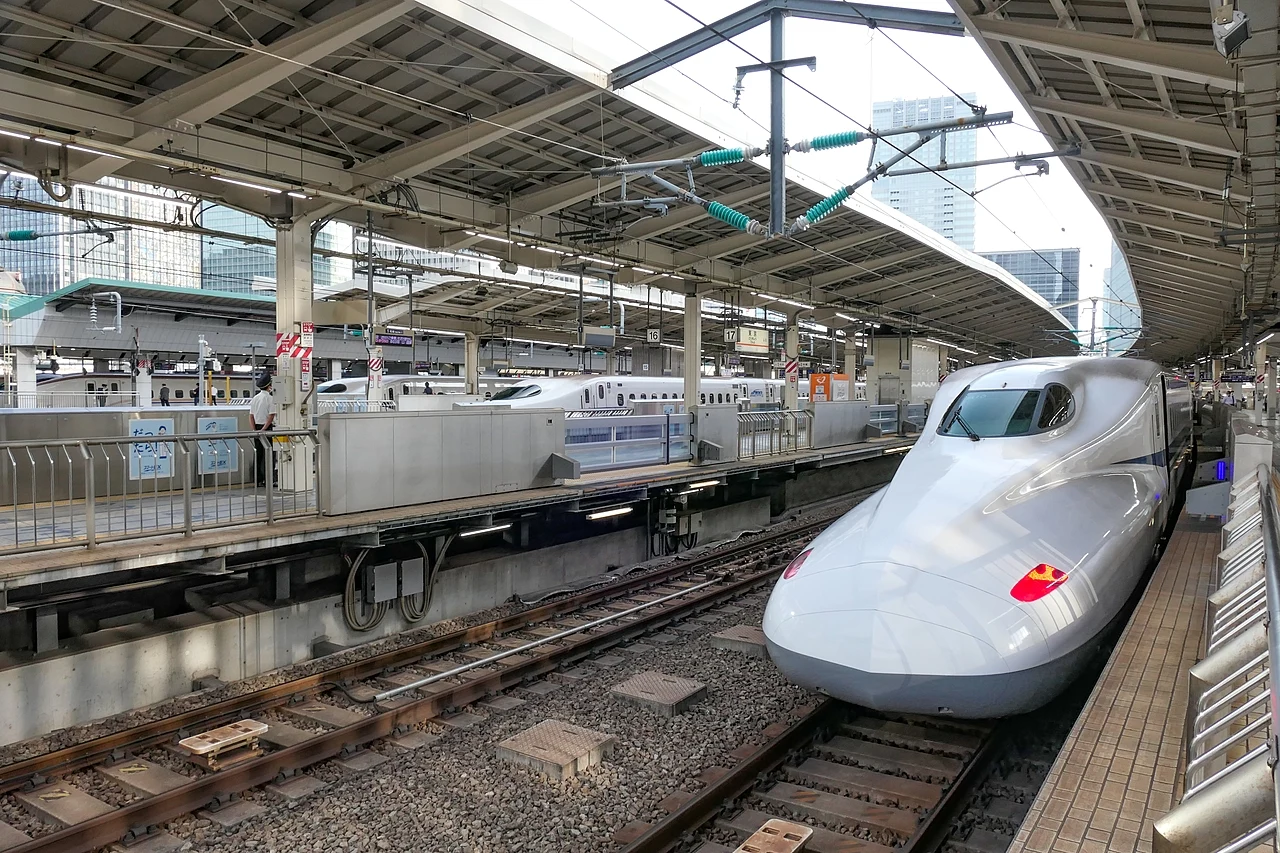
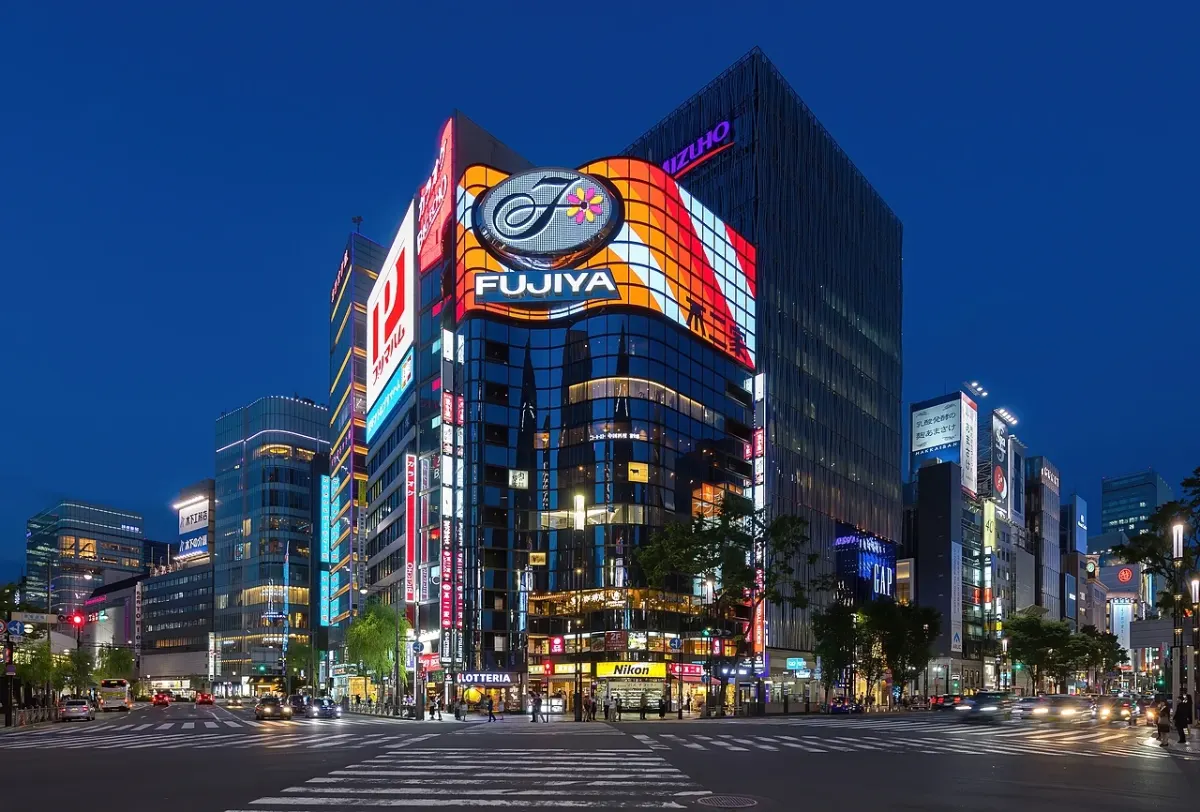
Ginza is Tokyo’s upscale shopping district, and its main street closes to cars on weekend afternoons. Hotels around Tokyo Station and Nihonbashi are a short walk away, which makes this the best base if you plan Shinkansen day trips to Kyoto, Nikko or Karuizawa, or an early train out of the city. It is also close to the Tsukiji Outer Market for a sushi breakfast.
Stay here if: you want calm streets, good business and luxury hotels, and fast access to the Shinkansen.
Skip it if: you want nightlife on your doorstep. Ginza gets quiet after the shops close.
Asakusa and Ueno: old Tokyo on a budget
Asakusa is home to Senso-ji temple and has a low-rise, traditional feel. Ueno has a big park full of museums, the Ameyoko market street and direct Keisei Skyliner trains to Narita Airport. Both areas have plenty of affordable hotels, hostels and family rooms.
Stay here if: you are watching your budget, traveling with family, or arriving at Narita.
Skip it if: most of your plans are in Shibuya or Shinjuku. You will spend 30 to 40 minutes on the train each way.
Other good options
- Shinagawa: a Shinkansen stop with direct trains to Haneda Airport. Practical, though not exciting.
- Ikebukuro: cheaper than Shinjuku with similar train links and lots of anime shops.
- Roppongi and Akasaka: international restaurants, art museums and nightlife, with fewer train lines.
- Tokyo Disney Resort area: only if Disney is the main reason for your trip.
Quick answers by traveler type
Couples on a first trip: Shibuya or Ginza. Both have stylish hotels, good restaurants and are easy to get around at night.
Families with young kids: Asakusa, Ueno or the Tokyo Station area. Rooms are bigger for the money, streets are calmer, and Ueno Zoo and the science museum are close by.
Solo travelers and backpackers: Asakusa and Ueno for hostels, or a capsule hotel in Shinjuku if you want to be close to the action.
Business travelers or short stopovers: Shinagawa or Tokyo Station, for quick airport and Shinkansen connections.
Night owls: Shinjuku, without question. Trains stop around midnight, so staying within walking distance of the bars saves an expensive taxi.
Is Airbnb a good option? Private rentals are legal in Tokyo only if they are registered, and many are in quiet residential areas far from stations. For a first visit, a hotel close to a station is usually the better choice.
Booking tips
- Check the walking time. “Near Shinjuku” can mean 15 minutes from the station. Look for five minutes or less to a station on the Yamanote, Marunouchi or Ginza lines.
- Room sizes are small. A standard double can be under 15 square meters. If you have two large suitcases, book a room of 20 square meters or more.
- Book early for spring and autumn. Good-value rooms in late March, early April and November sell out months ahead.
- Look at the bed type. “Semi-double” beds are about 120 cm wide, which is tight for two adults.
- Use luggage forwarding. If you move on to Kyoto, your hotel front desk can send your bags ahead for about ¥2,500 each.
Found your area?
Compare hotel prices in Shinjuku, Shibuya, Ginza and Asakusa for your dates.
If you are still undecided, choose Shinjuku. It has the widest range of hotels, the easiest connections and enough going on at night that you will never run out of things to do. For the rest of the trip, see our 7-day Japan itinerary.
Photos: Shinjuku at night by Martin Falbisoner, CC BY-SA 3.0; Shinkansen at Tokyo Station by MaedaAkihiko, CC BY-SA 4.0; Ueno Park hanami by Syced, CC0. All via Wikimedia Commons.
More photos: Neon street signs in Kabukichō, Shinjuku and Ginza street corner at blue hour by Basile Morin, CC BY-SA 4.0. Via Wikimedia Commons.