Two new systems are changing how visitors enter most of Europe. One, the Entry/Exit System, is already running. The other, ETIAS, is an online travel authorization you will soon need before you fly. Here is what each means for your trip.
This post contains affiliate links. We may earn a commission if you book through them. How we make money.
Quick answer
The EU’s Entry/Exit System (EES) has been fully running since April 2026: on your first visit, border officers take your fingerprints and photo instead of stamping your passport. ETIAS is an online authorization for visa-free visitors, including Americans, Britons, Canadians and Australians. It costs €20, lasts three years, and is due to launch from late 2026 with a transition period before it becomes compulsory. Until it launches, you do not need to apply. Beware of unofficial sites already charging for it.
EES and ETIAS at a glance
| EES | ETIAS | |
|---|---|---|
| What it is | Digital record of entries and exits with biometrics | Online travel authorization before travel |
| Status | Fully operational since April 10, 2026 | Launch expected from late 2026, with a transition period |
| Cost | Free | €20 (free under 18 and over 70) |
| What you do | Give fingerprints and a photo at the border on first entry | Apply online before your trip |
| Validity | Record kept for several years | 3 years or until your passport expires |
| Who | All non-EU visitors on short stays | Visa-free visitors, including US, UK, Canadian and Australian citizens |
The Entry/Exit System (EES)
EES began on October 12, 2025, and was rolled out gradually until it became fully operational at all external borders of the Schengen Area on April 10, 2026. Passport stamps for non-EU visitors have been replaced by a digital record.
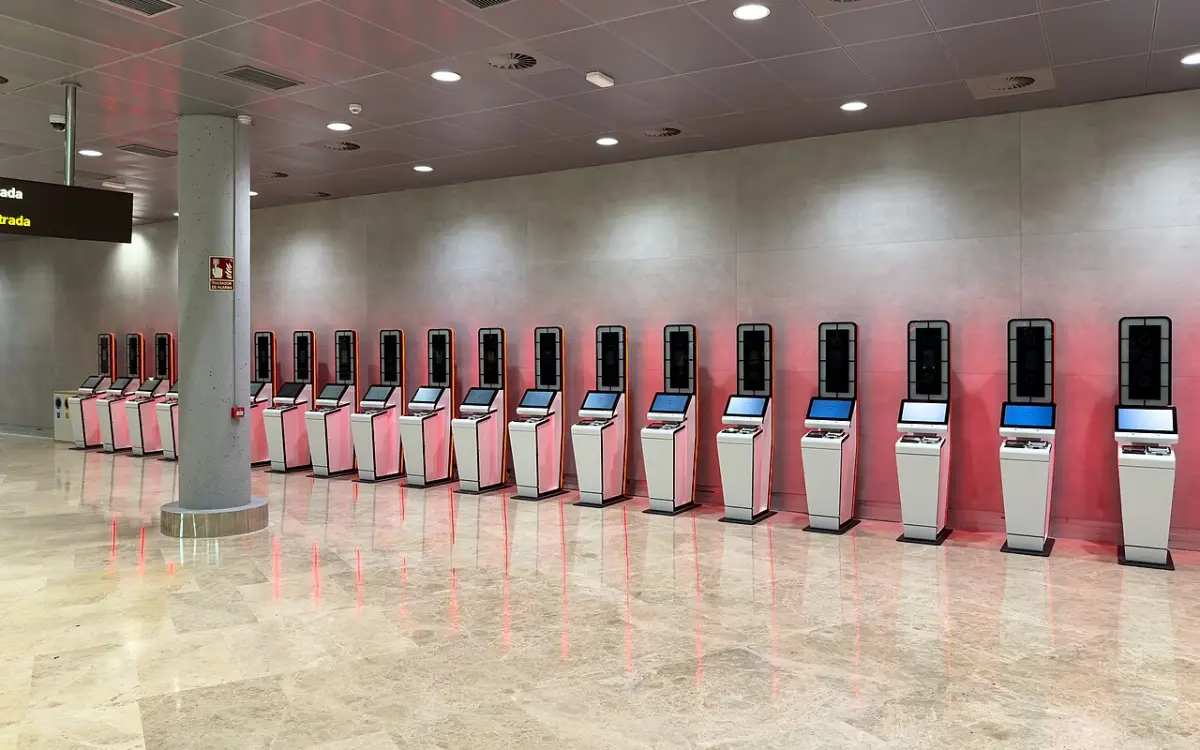
What happens at the border: the first time you enter after EES began, an officer or a self-service kiosk records your passport details, four fingerprints and a facial photo. On later trips, a face scan or fingerprint check is usually enough. Children under 12 are not fingerprinted. Your entry and exit dates are logged automatically, which is how the 90/180-day limit is now enforced.
Expect queues. First registrations take longer, and at busy airports, ferry ports and the UK–France crossings at Dover, St Pancras and Folkestone, waits of an hour or more have been reported at peak times. Allow extra time, especially in summer.
ETIAS: the new travel authorization
ETIAS, the European Travel Information and Authorisation System, is similar to the US ESTA or Canada’s eTA. Travelers who do not need a visa for Europe will need an approved ETIAS before boarding a flight, ferry or bus to a participating country.
- Timing: after several delays, the EU has said ETIAS will start operating in the last quarter of 2026, followed by a transition period of several months when it is optional or loosely enforced, before becoming mandatory, expected during 2027. Check the official EU ETIAS website for the exact dates.
- Cost: €20 per application. Applicants under 18 or over 70 do not pay, but still need an authorization.
- Application: a short online form with passport details, contact information, education and job, your first intended country of stay and security questions. Most applications are approved within minutes; some take up to four days, or longer if more information is requested.
- Validity: three years, or until your passport expires, whichever comes first. Unlimited trips during that time, subject to the 90/180-day rule.
- It is not a visa. It does not guarantee entry; border officers still make the final decision.
Traveling to Europe soon?
Some countries and tour operators require medical cover. Compare travel insurance for Europe.
Which countries are covered
EES applies at the borders of the Schengen Area, which includes most EU countries plus Iceland, Liechtenstein, Norway and Switzerland, and now Bulgaria and Romania. ETIAS will cover the same countries plus Cyprus, according to EU plans. Popular destinations such as France, Italy, Spain, Portugal, Greece, Germany, the Netherlands and Croatia are all included.
Not included: Ireland, which has its own rules, and non-EU countries such as the UK, Albania, Montenegro and Turkey. Time spent in these countries does not count toward your Schengen days.
For British travelers: since Brexit, UK citizens are non-EU visitors, so they go through EES and will need ETIAS. Note that the UK has its own separate system, the UK ETA, which applies to Americans, Canadians, Australians and other visitors to the UK, but not to British citizens.
The 90/180-day rule
Visa-free visitors can spend up to 90 days in any rolling 180-day period across the whole Schengen Area combined, not per country. Both your entry and exit days count. To check, look back 180 days from any day of your trip and count the days you spent in Schengen; the total must not exceed 90.
Because EES records every entry and exit, overstays are now detected automatically, and can lead to fines, entry bans and problems on future trips. If you plan a long trip, split your time with non-Schengen countries such as the UK, Ireland, Albania or Turkey, and use the EU’s official short-stay calculator.

What to do now
- Check your passport: it must be issued within the last 10 years and be valid for at least three months after you plan to leave Europe.
- Do not apply for ETIAS yet unless the official site says it is live. Sites offering ETIAS “pre-registration” for a fee are unofficial.
- Use only the official site, on the europa.eu domain, when ETIAS opens. Many copycat sites charge several times the real fee.
- Allow extra time at the border on your first trip under EES, especially at busy airports and land crossings.
- Keep track of your days if you travel often or for long periods.
These changes sound bigger than they are. For most short holidays, EES means a one-time fingerprint scan, and ETIAS will be a 10-minute online form every three years. Planning a city break? See our 3 days in Lisbon itinerary.
Photo: EES kiosks at Valencia Airport by Mike Peel, CC BY-SA 4.0, via Wikimedia Commons.
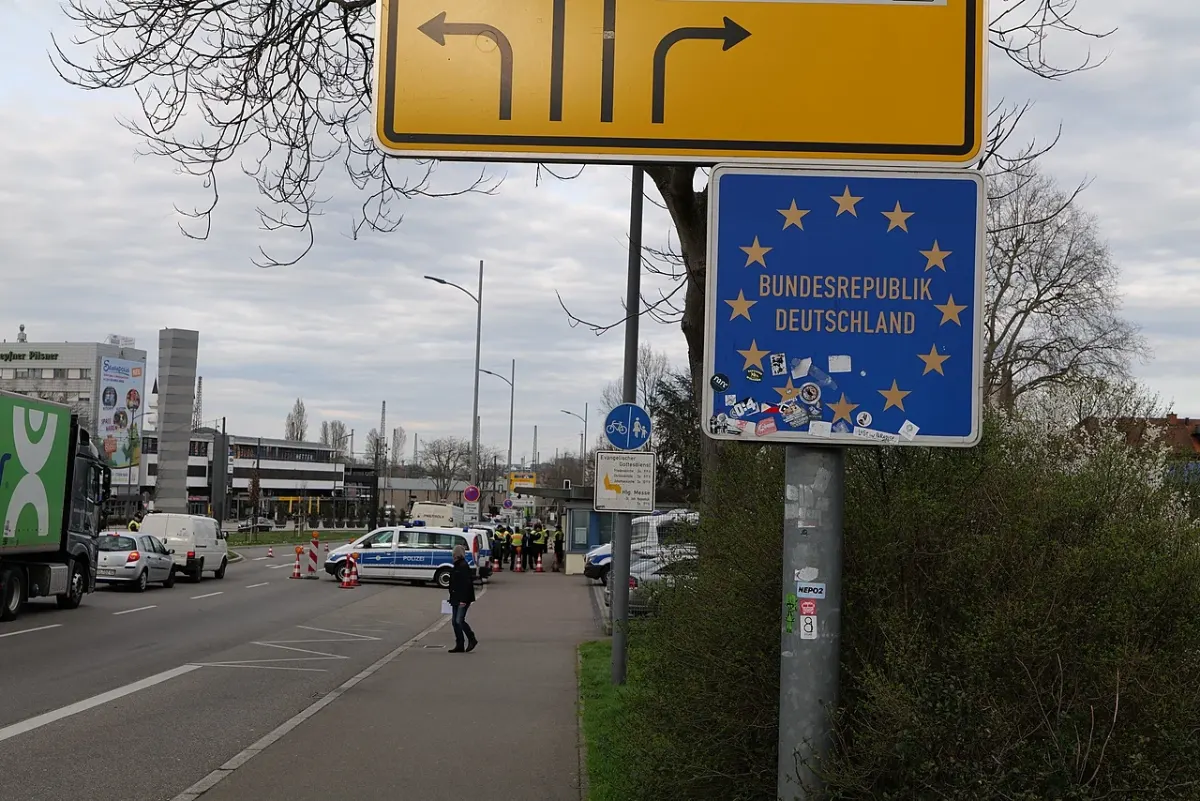
More photos: Border control checkpoint at Europe bridge by Leonhard Lenz, CC0; Paris-Charles de Gaulle Airport by Wilfredor, CC BY-SA 3.0. Via Wikimedia Commons.