South Korea’s electronic travel authorization, the K-ETA, has been suspended for many Western visitors since 2023. That exemption is due to end on December 31, 2026, so trips in 2027 may need one. Here is how it works.
This post contains affiliate links. We may earn a commission if you book through them. How we make money.
Quick answer
If you arrive in South Korea on or before December 31, 2026, citizens of the US, UK, Canada and Australia do not need a K-ETA. Unless Korea extends the exemption again, you will need one for arrivals from January 1, 2027. It costs KRW 10,000 (about US$7), is valid for three years, and you apply on the official K-ETA website or app at least 72 hours before your flight. Check the official list for the latest status before you book.
What K-ETA is
The Korea Electronic Travel Authorization is an online pre-travel screening for citizens of the 100-plus countries that can visit South Korea without a visa. It was introduced in 2021. It is not a visa: it simply confirms you are eligible to travel visa-free, and airlines check for it before boarding.
| Item | Detail |
|---|---|
| Cost | KRW 10,000 (around US$7), plus a small card fee |
| Validity | 3 years, or until your passport expires |
| Processing | Often within an hour; allow up to 72 hours |
| Apply | Official K-ETA website or app only |
| US, UK, Canada, Australia | Exempt for arrivals up to December 31, 2026 |
The temporary exemption
To boost tourism, Korea suspended the K-ETA requirement for a list of countries, including the United States, the United Kingdom, Canada, Australia, Japan, Germany, France and others. The exemption was first introduced in April 2023 and has been extended more than once, most recently until December 31, 2026.
As of mid-November 2026, no further extension for 2027 had been announced. That means:
- Arriving by December 31, 2026: no K-ETA needed if your nationality is on the exemption list.
- Arriving from January 1, 2027: plan to apply for a K-ETA unless the exemption is extended again. Check the official K-ETA site or the Korean embassy in your country in December.
Even while exempt, you can choose to apply for a K-ETA. Some travelers do this because K-ETA holders skip the paper arrival card and can use faster lanes at some airports.
How to apply
- Go to the official site or app. The official website ends in k-eta.go.kr. Many look-alike sites charge US$40 to $100 for the same form.
- Prepare your documents: a valid passport, an email address, a recent photo without glasses (taken against a plain background), and a credit or debit card.
- Fill in the form: personal details, passport data, purpose of visit, your accommodation address in Korea, your job and employer, and emergency contact.
- Pay the fee and submit at least 72 hours before departure. Results usually come by email within a few hours.
- Keep the confirmation. Airlines check your status electronically, but a screenshot is useful.
Each traveler needs a separate K-ETA, including children. A parent or another person can apply on their behalf, and group applications for up to 30 people are possible on the official site.
Get online the moment you land
An eSIM covers maps, Naver and KakaoTaxi from Incheon Airport onward.
Arrival card and entry
Visitors without a K-ETA traditionally fill in an arrival card, either on paper on the plane or electronically before travel. Korea has been moving to an online e-Arrival Card; if your airline does not hand out a paper form, complete it online before landing. K-ETA holders do not need to submit an arrival card.
At immigration, your fingerprints and photo are taken. Have your accommodation address and return ticket handy, as officers occasionally ask. Korea’s customs declaration is only needed if you carry goods over the duty-free limit or more than US$10,000 in cash.
Also complete Q-CODE, Korea’s online health questionnaire, only if you have visited certain countries with disease risks or have symptoms. Most travelers from the US, UK, Canada and Australia do not need it.
How long you can stay
The K-ETA itself does not set your length of stay. That comes from Korea’s visa-waiver agreements:
- United States: up to 90 days.
- United Kingdom: up to 6 months under the UK–Korea agreement, although 90 days is often quoted; confirm with the Korean embassy before a long stay.
- Australia: up to 90 days.
- Canada: up to 6 months.
Visa-free entry is for tourism, visiting family and short business meetings. Working, including paid content creation or teaching, requires the correct visa.
Common questions
I have a K-ETA from 2024. Is it still valid? Yes, if it has not reached three years and your passport has not changed. If you renew your passport, apply again.
Can a K-ETA be refused? Yes, occasionally, usually because of mistakes or past immigration issues. If it is refused, you can apply for a visa at a Korean embassy instead.
Do I need a K-ETA to transit through Incheon? Not if you stay in the transit area. If you leave the airport, the normal rules apply.
Does a K-ETA cover Jeju Island? Jeju has its own visa-free scheme for many nationalities when arriving directly, but US, UK, Canadian and Australian travelers can simply use the national rules described above.
Insured for your Korea trip?
Compare travel insurance that covers medical care and delays.
Bottom line: for trips in 2026, Americans, Britons, Canadians and Australians can simply book and go. For 2027 trips, check the official K-ETA site in December and, if the exemption has ended, apply at least three days before your flight on the official website only.
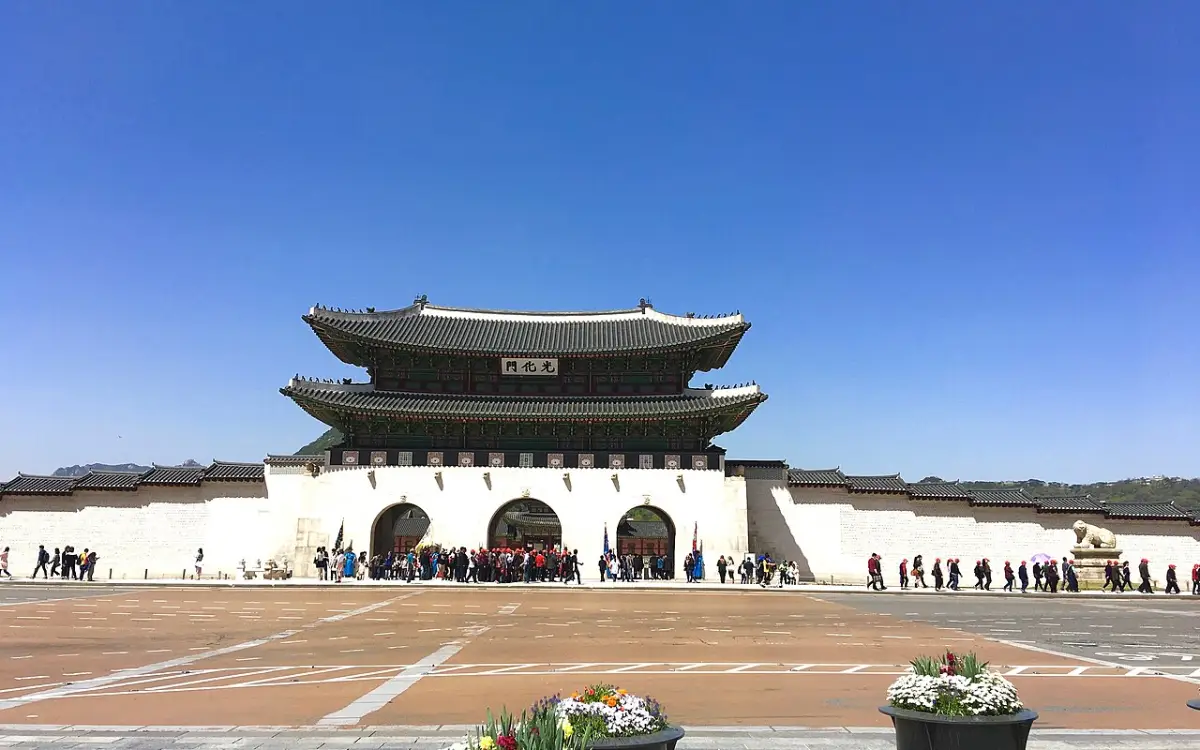
Photo: Gwanghwamun by Hschrijver, CC BY-SA 4.0, via Wikimedia Commons.
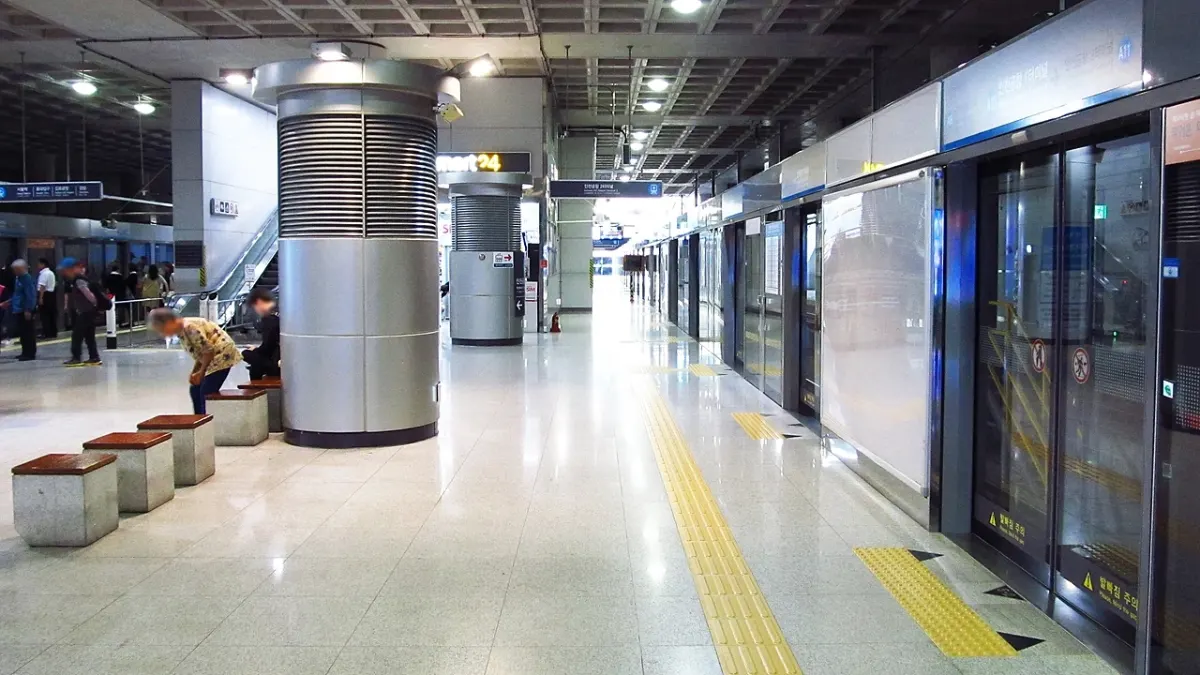
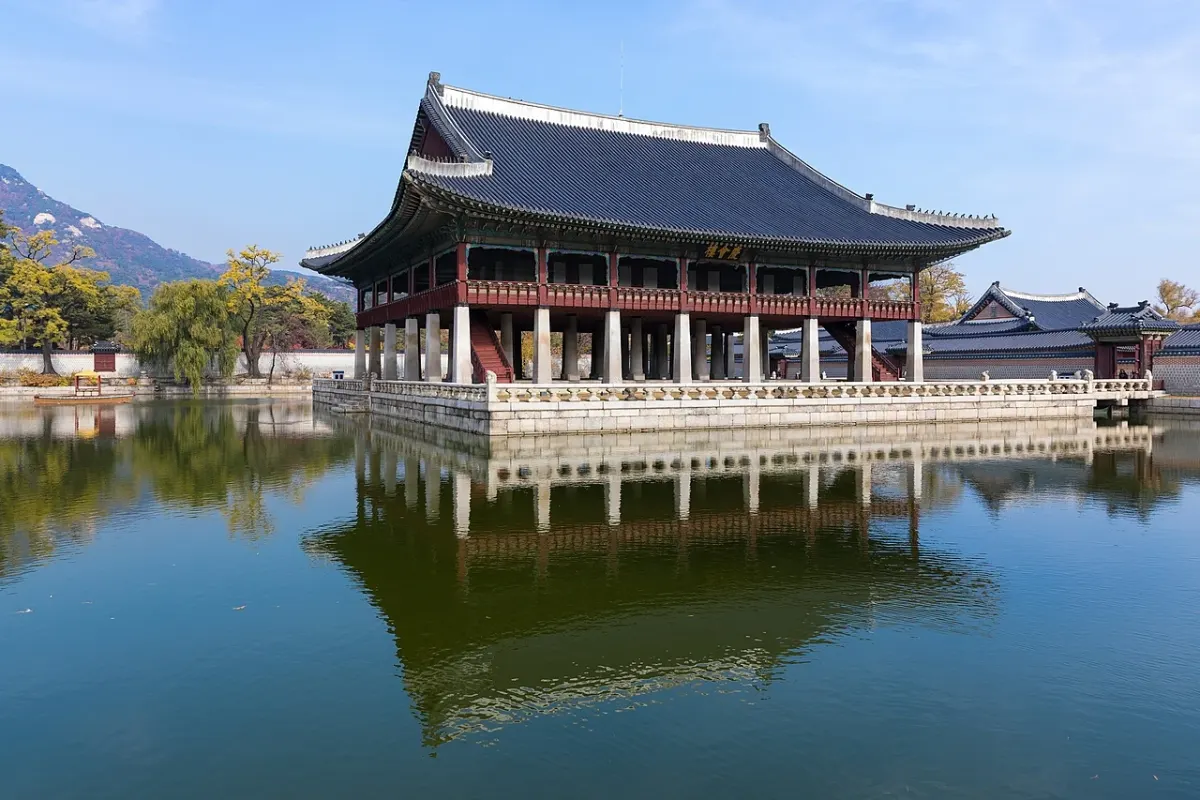
More photos: AREX Incheon International Airport Terminal 1 station platform by LERK, CC BY-SA 4.0; Gyeonghoeru at Gyeongbokgung Palace by Frank Schulenburg, CC BY-SA 4.0. Via Wikimedia Commons.