Mexico welcomes tens of millions of foreign tourists every year, and the vast majority have trouble-free trips. Safety depends heavily on where you go, so it makes more sense to ask about a region than about the whole country.
This post contains affiliate links. We may earn a commission if you book through them. How we make money.
Quick answer
Most major tourist areas, including the Yucatán, Mexico City, Oaxaca, the Riviera Maya and Los Cabos, are considered reasonably safe for visitors who take normal precautions. The US State Department rates Mexico overall at Level 2 (“exercise increased caution”), with Yucatán at Level 1 and a handful of states at Level 4 (“do not travel”), mainly because of cartel violence that rarely targets tourists. Avoid Level 4 states, use registered taxis or apps, and do not buy drugs.
How travel advisories work
The US State Department rates each of Mexico’s 32 states on a scale from Level 1 (“exercise normal precautions”) to Level 4 (“do not travel”). The UK, Canada and Australia publish their own advice, which usually lines up broadly with the US ratings. These advisories cover all risks, including crime that mostly affects residents, so a high rating does not mean every town in that state is dangerous, and a low rating does not mean nothing can happen.
US government employees face travel restrictions in many states, which is one reason ratings look strict. Read the full advisory for each state you plan to visit: it often names the specific areas of concern.
Safety by region
| State | Popular places | US level |
|---|---|---|
| Yucatán | Mérida, Valladolid, Chichén Itzá | Level 1 |
| Campeche | Campeche city, Calakmul | Level 1 |
| Quintana Roo | Cancún, Tulum, Playa del Carmen, Cozumel, Bacalar | Level 2 |
| Mexico City | CDMX | Level 2 |
| Oaxaca | Oaxaca city, coast | Level 2 |
| Baja California Sur | Los Cabos, La Paz, Todos Santos | Level 2 |
| Jalisco | Guadalajara, Puerto Vallarta | Level 3 |
| Guanajuato | San Miguel de Allende, Guanajuato city | Level 3 |
| Guerrero, Michoacán, Tamaulipas, Zacatecas | Acapulco and others | Level 4 |
Advisories are updated regularly; in May 2026 Colima and Sinaloa were moved from Level 4 to Level 3. Check the current advisory on the official government site before you book and again before you travel.
Yucatán Peninsula: Mérida is often described as one of the safest cities in Mexico. The Riviera Maya resort areas are heavily policed, though there have been isolated incidents of violence between criminal groups in nightlife areas.
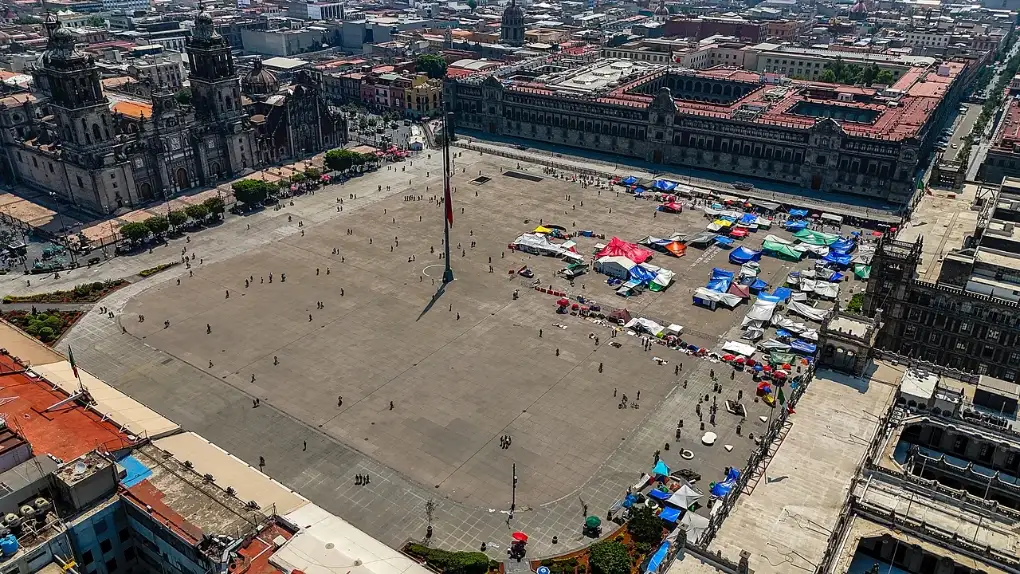
Mexico City: neighborhoods like Roma, Condesa, Polanco, Coyoacán and the Centro Histórico are popular with visitors. Petty theft on the metro and in crowds is the most common problem.
Level 3 states: many tourists visit Puerto Vallarta, Guadalajara and San Miguel de Allende without problems. The rating reflects violence elsewhere in those states. Stick to tourist areas and avoid road travel at night.
The real risks for tourists
- Petty theft: pickpocketing and bag snatching in crowds, markets and public transport.
- Scams: overcharging by unofficial taxis, card skimming at ATMs, and fake police or officials asking for “fines”.
- Drink spiking: reported in some nightlife areas. Watch your drink and avoid unregulated alcohol.
- Road safety: night driving on rural highways is the bigger risk than crime in many areas.
- Express kidnapping: rare, but it happens: victims are forced to withdraw money from ATMs, usually after getting into an unofficial taxi.
- Natural hazards: hurricanes on both coasts from June to November, strong ocean currents on some beaches, and earthquakes in central and southern Mexico.
Get covered before you go
Compare travel insurance with medical, theft and hurricane-related cancellation cover.
Practical safety tips
- Stay in well-reviewed accommodation in established tourist neighborhoods.
- Use ATMs inside banks or shopping centers, during the day, and cover the keypad.
- Carry a copy of your passport and leave the original in your hotel safe, along with a backup card.
- Do not flash expensive jewelry, cameras or phones in crowded places.
- Never buy or use drugs. It directly funds the groups behind the violence and puts you at risk.
- Keep your phone charged and online with a local eSIM, and share your location with someone you trust.
- Register with your government’s travel program, such as the US STEP scheme, to receive alerts.
Getting around safely
Taxis: use official airport taxis (pay at the counter inside the terminal), hotel-booked taxis, or ride-hailing apps such as Uber and DiDi, where available. Avoid hailing taxis on the street at night. In Cancún, some taxi unions have clashed with ride-hailing drivers, so airport pickups by app may be restricted.
Buses: first-class bus companies such as ADO are comfortable and safe for long distances. Travel by day where possible.
Driving: use toll roads (cuotas), which are better maintained and patrolled, and avoid driving at night. Rental car insurance in Mexico must include Mexican liability coverage.
Solo and female travelers
Many solo travelers, including women, travel happily around Mexico. Choose central accommodation, avoid walking alone late at night, and be cautious about sharing your hotel name with strangers. In Mexico City, women-only carriages on the metro and Metrobús offer a calmer ride at busy times.
In an emergency
Dial 911 for police, ambulance or fire anywhere in Mexico. Tourist assistance lines and the Green Angels (Ángeles Verdes) highway assistance service are available in many states. Contact your embassy or consulate if you lose your passport or are a victim of a serious crime. Keep your insurer’s emergency number saved on your phone.
Bottom line: Mexico is a big country with real security problems in some regions, but its main tourist destinations are visited safely by millions of people every year. Check the current advisory for the exact states you plan to visit, use common sense, and you are likely to have a great trip.
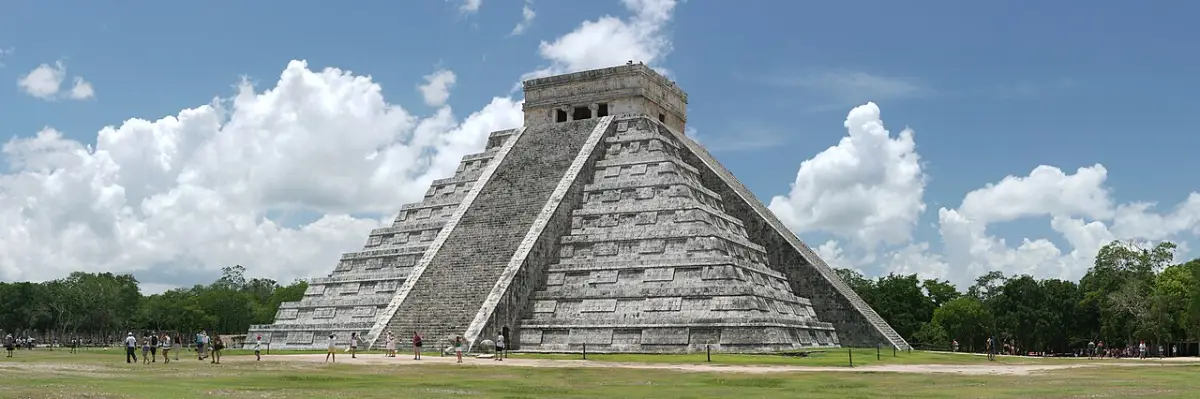
Photo: Chichen Itza by Daniel Schwen, CC BY-SA 4.0, via Wikimedia Commons.
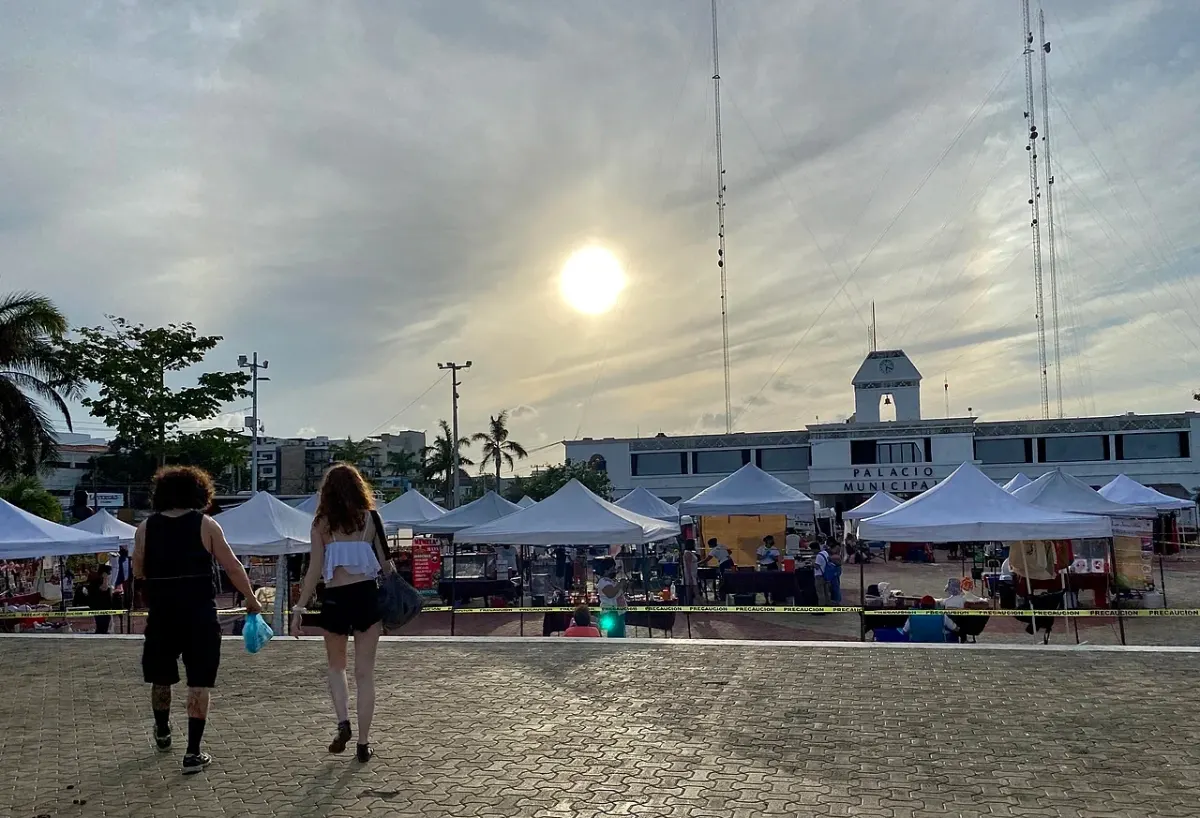
More photos: Zócalo de la Ciudad de México by ProtoplasmaKid, CC BY-SA 4.0; Playa del Carmen – Palacio Municipal by Sharon Hahn Darlin, CC BY 2.0. Via Wikimedia Commons.