Hokkaido in winter is Japan at its most magical: deep powder snow, steaming hot springs, snow festivals and seafood straight from the cold sea. This week covers the best of it without a car.
This post contains affiliate links. We may earn a commission if you book through them. How we make money.
Quick answer
Fly into New Chitose Airport. Spend three nights in Sapporo (with a day trip to Jozankei hot springs or Asahiyama Zoo’s penguin walk), one night in Otaru for the canal and snow lanterns, and three nights in Niseko for skiing or snowshoeing, then return to the airport. Go between late January and February for the most reliable snow and the Sapporo Snow Festival, and book Niseko months ahead.
The week at a glance
| Day | Base | Highlights |
|---|---|---|
| 1 | Sapporo | Arrive, Susukino, miso ramen |
| 2 | Sapporo | Odori Park and Snow Festival, Nijo Market, Mt Moiwa night view |
| 3 | Sapporo | Day trip: Jozankei onsen or Asahiyama Zoo penguin walk |
| 4 | Otaru | Canal, glass and music box shops, sushi, Snow Light Path |
| 5–6 | Niseko | Skiing or snowboarding, snowshoeing, onsen, Mt Yotei views |
| 7 | Niseko → airport | Last morning on the slopes, transfer to New Chitose |
Days 1–3: Sapporo
Day 1. The Rapid Airport train from New Chitose reaches Sapporo Station in about 40 minutes. Stay near Sapporo Station or Odori for easy transport. In the evening, head to Susukino, the nightlife district, for miso ramen, Sapporo’s signature dish, or Genghis Khan, grilled lamb cooked at your table.
Day 2. Breakfast on fresh crab and sea urchin rice bowls at Nijo Market. Walk the length of Odori Park; during the Sapporo Snow Festival in early February, it is lined with huge snow and ice sculptures. Visit the Sapporo Beer Museum in the afternoon, then take the ropeway up Mt Moiwa for one of Japan’s best night views. Try soup curry, another local specialty, for dinner.
Day 3. Choose one day trip. Jozankei Onsen, about an hour by bus, is a hot spring town in a snowy river valley, with day-use baths and a lantern festival in late January to early February. Or take the limited express to Asahikawa, about 1.5 hours, for the Asahiyama Zoo, where king penguins waddle through the snow on their daily winter walk.
Visiting during the Snow Festival?
Sapporo hotels for festival week sell out months ahead. Compare prices early.
Day 4: Otaru
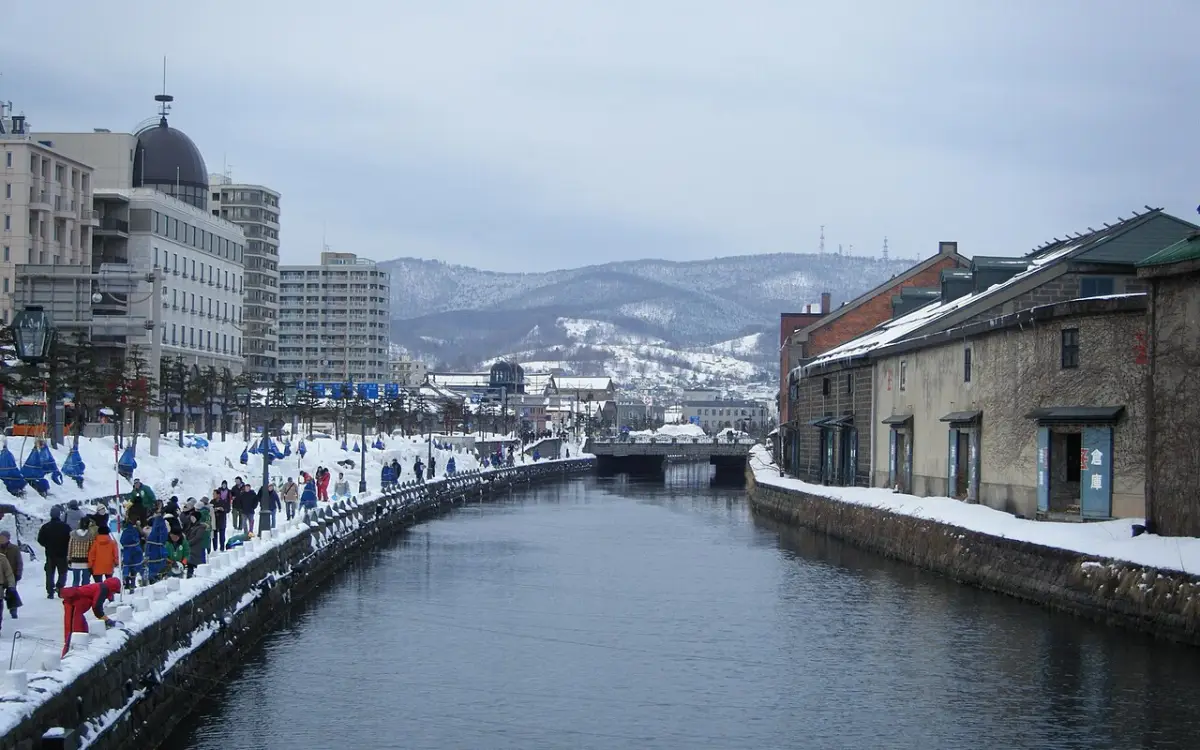
Otaru is a 30 to 40 minute ride from Sapporo by JR rapid train along the coast. Its historic canal, lined with old stone warehouses, is especially pretty under snow. Browse the glass workshops and the Otaru Music Box Museum on Sakaimachi Street, and eat sushi on the famous Sushiya-dori street.
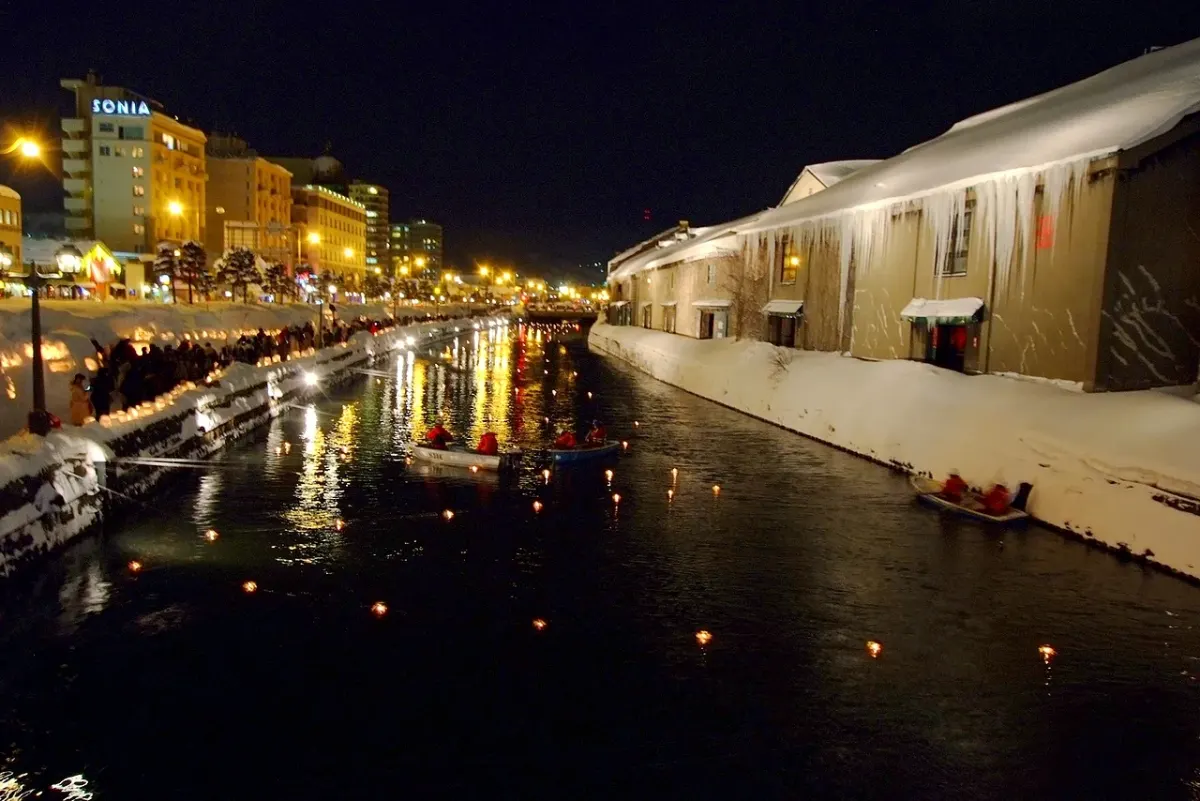
Stay overnight to see the canal lit up after the day-trippers leave. In February, the Otaru Snow Light Path fills the canal and old railway line with thousands of candles and snow lanterns.
Days 5–7: Niseko
From Otaru, take the local JR Hakodate Line to Kutchan (about 1.5 hours; trains are infrequent, so check the timetable) and then a local bus or taxi to Hirafu, or book a direct shuttle bus. Niseko is famous for some of the lightest, deepest powder snow in the world, with four connected ski resorts on Mt Niseko Annupuri and views of the perfect cone of Mt Yotei.
- Skiers and snowboarders: buy the Niseko United all-mountain pass, book lessons early if you are a beginner, and try night skiing under the lights.
- Non-skiers: snowshoe tours, snowmobiling, dog sledding, and long soaks in outdoor hot springs while snow falls around you.
- Food: Hirafu village has many international restaurants in season; book dinner reservations in advance, especially over Christmas, New Year and Chinese New Year.
For where to base yourself, see our Niseko accommodation guide. On day 7, allow 2.5 to 3 hours to get back to New Chitose by airport bus, and check the road conditions in heavy snow.
Planning ski days?
Compare Niseko lift passes, lessons, rental gear and snow tours.
Getting around in winter
| Route | How | Time |
|---|---|---|
| New Chitose → Sapporo | JR Rapid Airport | About 40 minutes |
| Sapporo → Otaru | JR rapid train | 30–40 minutes |
| Sapporo → Jozankei | Local bus | About 1 hour |
| Sapporo → Asahikawa | JR limited express | About 1.5 hours |
| Otaru or Sapporo → Niseko | JR + bus, or shuttle bus | 2–3 hours |
| Niseko → New Chitose | Airport bus | 2.5–3 hours |
Driving in Hokkaido’s winter is not recommended unless you are experienced on snow and ice. Trains and buses can be delayed by storms, so never plan a tight connection on the day you fly home. Luggage forwarding services can send your bags between hotels, which helps on snowy pavements.
When to go
The ski season runs from early December to early April, with the most reliable powder in January and February. The Sapporo Snow Festival takes place for about a week in early February, and the Otaru Snow Light Path runs around the same time. December is quieter but snow can be thinner; March brings sunnier days and spring skiing.
What to pack
- A warm, waterproof jacket, thermal base layers, gloves, a hat and a neck warmer. Sapporo daytime highs are often around -1°C.
- Waterproof boots with good grip; slip-on ice cleats are sold at convenience stores.
- Light indoor layers, because trains, shops and hotels are very warm.
- Ski clothing can be rented in Niseko if you only ski for a couple of days.
For more on cold-weather travel across Japan, see our Japan in winter guide.
Leave room for snow days. If a storm closes the lifts or delays a train, Hokkaido has the perfect answer: a long soak in a hot spring and a bowl of ramen.
Photo: Otaru canal by 欅 (Keyaki), CC BY-SA 3.0, via Wikimedia Commons.
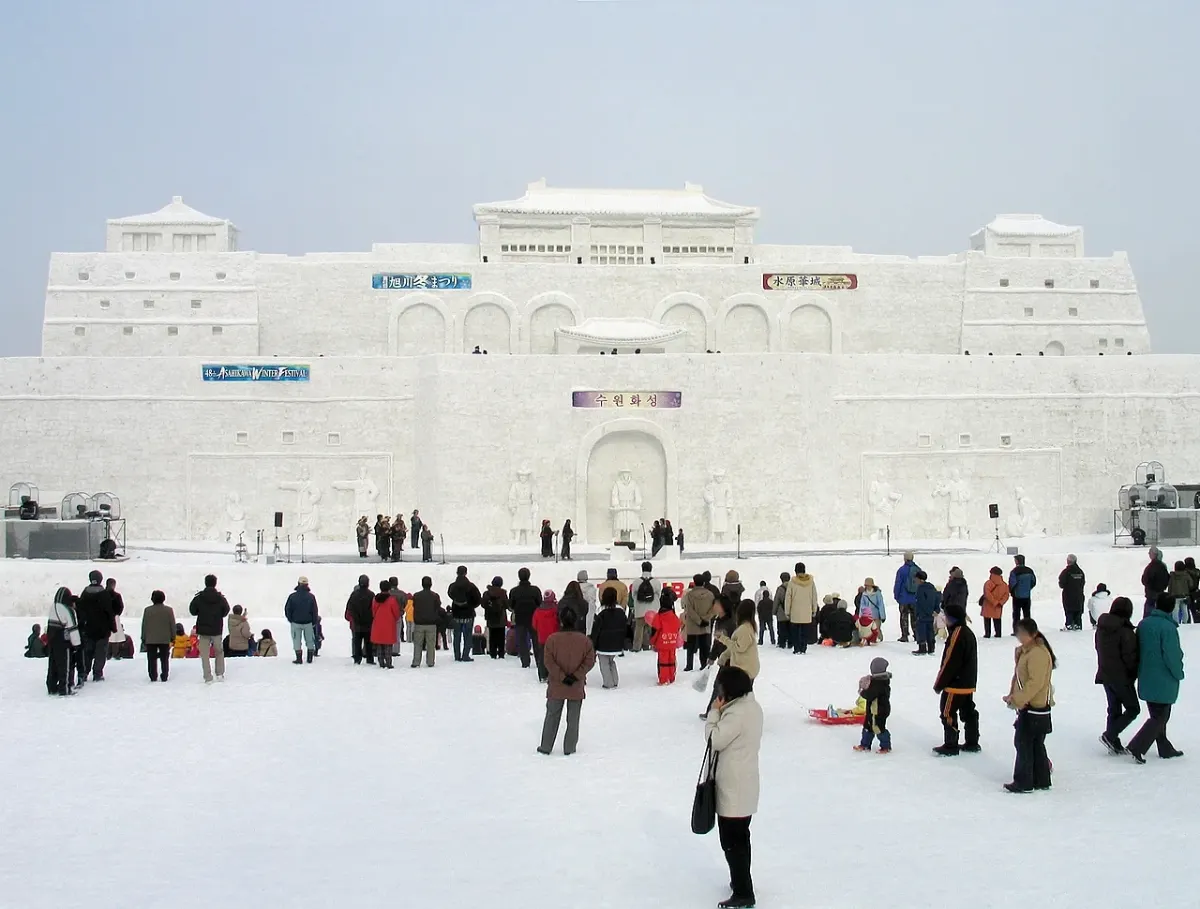
More photos: Otaru Snow Light Path 2013 by t-konno, CC BY-SA 3.0; Asahikawa Winter Festival snow statue by 京浜にけ, CC BY-SA 3.0. Via Wikimedia Commons.