Japan is better value than its reputation suggests, especially with a weak yen. Here is what two weeks really costs, line by line, at three travel styles.
This post contains affiliate links. We may earn a commission if you book through them. How we make money.
Quick answer
Not counting flights, a two-week trip to Japan costs about $1,500 per person on a budget, $2,800 at a comfortable mid-range level, and about $5,700 or more for a luxury trip, assuming two people share a room. Return flights from the US, UK or Australia add roughly $900 to $1,600 in economy.
Two-week budget at a glance
| Category | Budget | Mid-range | Luxury |
|---|---|---|---|
| Accommodation (shared room) | $500 | $1,100 | $2,800 |
| Long-distance trains | $250 | $400 | $600 |
| Local transport | $80 | $100 | $250 |
| Food and drink | $400 | $750 | $1,300 |
| Sights and activities | $150 | $300 | $500 |
| eSIM, insurance, extras | $120 | $150 | $250 |
| Total | About $1,500 | About $2,800 | About $5,700 |
Figures use about ¥150 to the US dollar and typical late-2026 prices. They are estimates, not quotes, and will be higher in cherry blossom season, Golden Week and autumn foliage season.
Flights
Return economy flights to Tokyo usually cost $800 to $1,400 from the US West Coast, $1,000 to $1,600 from the East Coast, £700 to £1,100 from London and A$1,000 to A$1,700 from Sydney. Prices are lowest from January to early March (outside New Year) and in early summer, and highest in late March, early April, late July to August and late December.
Flying into Tokyo and out of Osaka (an “open-jaw” ticket) often costs the same as a return and saves you a backtracking train ride.
Accommodation
Hotels are the biggest variable. Prices per room per night are roughly:
- Hostel dorm or capsule hotel: $25–$45 per person.
- Business hotel (small, clean, private bathroom): $70–$140 per room.
- Mid-range or design hotel: $140–$260 per room.
- Ryokan with dinner and breakfast: $250–$600 or more for two people.
- Luxury hotel: $400 and up.
Tokyo and Kyoto are the most expensive cities. Osaka, Hiroshima, Fukuoka and smaller towns are often 20 to 40 percent cheaper. A night or two in a ryokan is worth budgeting for; dinner is usually a multi-course kaiseki meal, which makes it better value than it first looks.
Transport
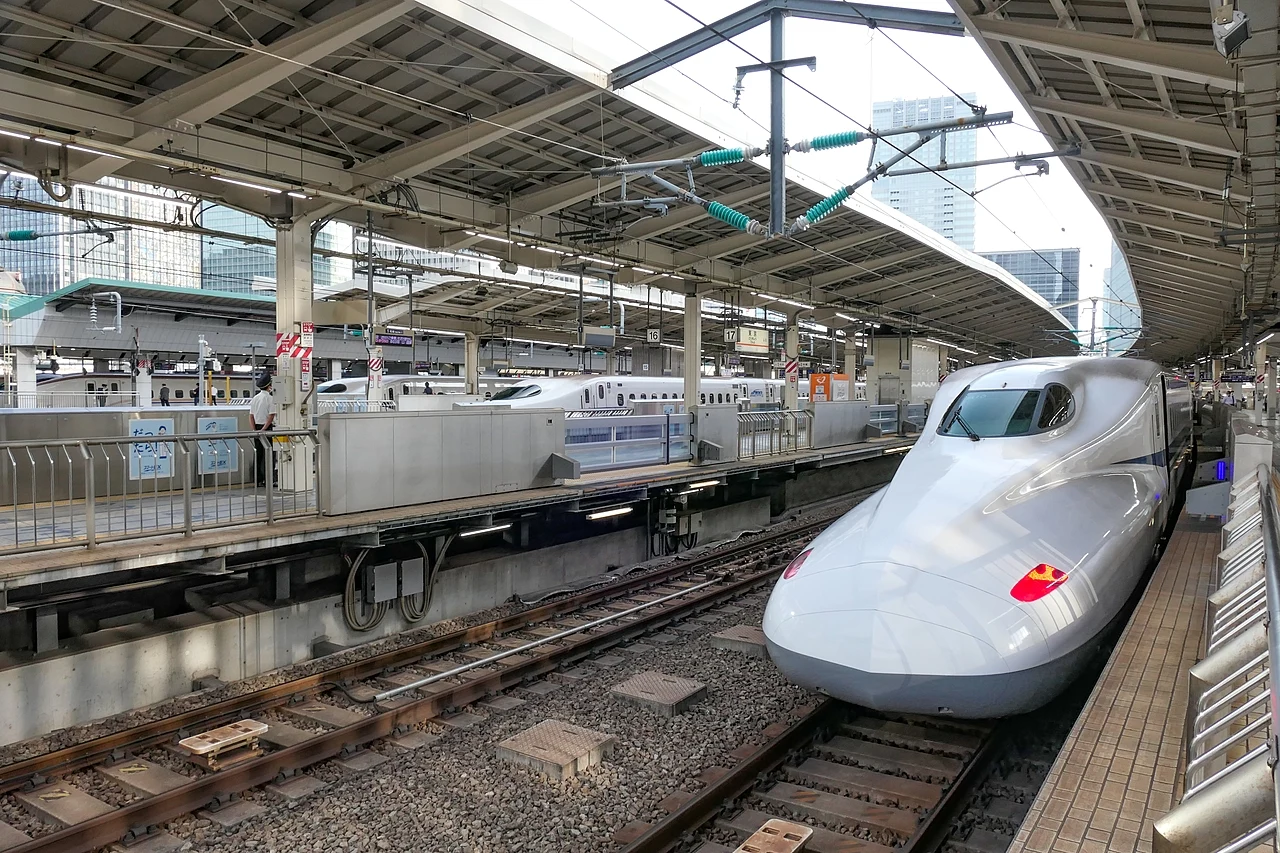
A typical two-week route of Tokyo, Hakone, Kyoto, Hiroshima and Osaka costs around ¥40,000 to ¥55,000 ($270–$370) in single Shinkansen and limited express tickets. A 14-day JR Pass is ¥80,000 to ¥84,000 depending on where you buy it, so it only pays off for long routes that also include places like Kanazawa, Tohoku or Kyushu.
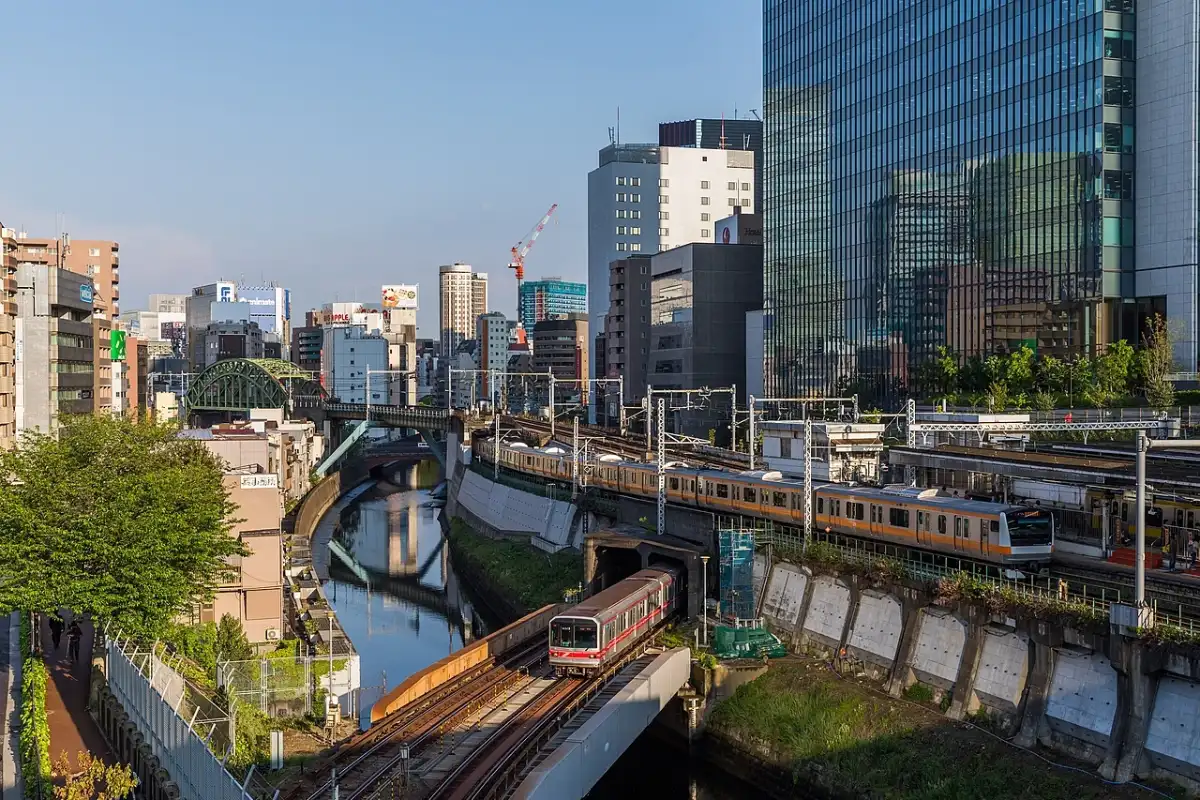
In cities, budget ¥700 to ¥1,200 a day for subways and buses, paid with an IC card such as Suica. Taxis start at around ¥500 in Tokyo and quickly add up, so use them only for short hops or late nights.
Not sure about the JR Pass?
We run the numbers for the most common itineraries.
Food and drink
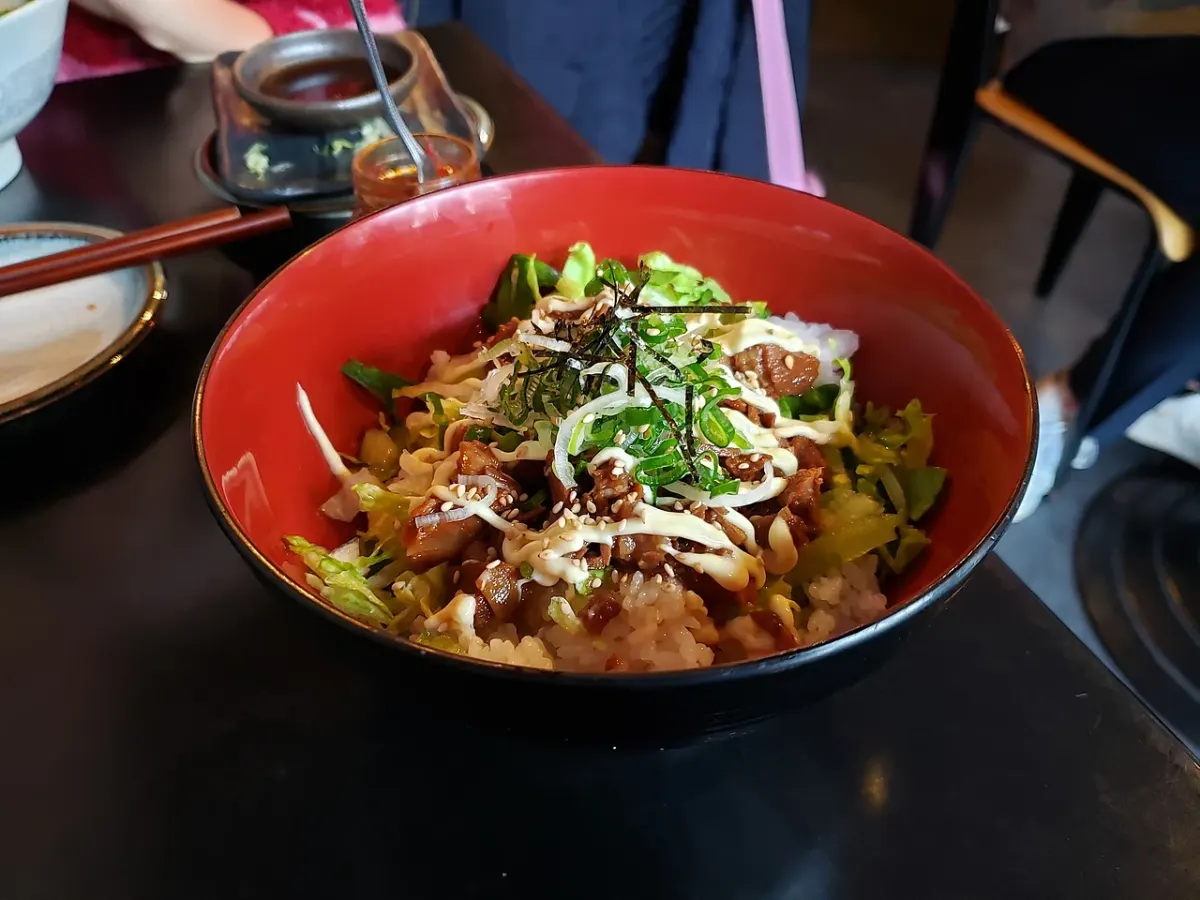
Eating well in Japan is cheap if you want it to be. Convenience stores sell good onigiri, sandwiches and bento for ¥300 to ¥700. A bowl of ramen, a plate of curry rice or a set meal at a chain restaurant costs ¥800 to ¥1,500. A good izakaya dinner with drinks runs ¥3,000 to ¥5,000 per person, and a high-end sushi or kaiseki dinner ¥15,000 and up.
| Item | Price |
|---|---|
| Coffee | ¥400–¥700 |
| Convenience store breakfast | ¥400–¥700 |
| Ramen or udon lunch | ¥900–¥1,500 |
| Conveyor-belt sushi, filling | ¥1,500–¥3,000 |
| Izakaya dinner with drinks | ¥3,000–¥5,000 |
| Beer in a bar | ¥500–¥900 |
There is no tipping in Japan, which keeps restaurant bills honest. Many izakaya add a small table charge (otoshi), usually ¥300 to ¥600, which comes with a small appetizer.
Sights and activities
Temples and shrines are cheap: many are free, and most charge ¥300 to ¥1,000. Bigger costs come from ticketed attractions: Universal Studios Japan or Tokyo Disney cost roughly ¥8,000 to ¥11,000 per day, teamLab around ¥4,000, Shibuya Sky about ¥2,500 to ¥3,500, and a Mt Fuji day tour $60 to $150. Pick the two or three big-ticket items you really want and fill the rest with free sights such as parks, markets and neighborhoods.
Extras people forget
- Travel insurance: about $50 to $150 for two weeks, depending on age and cover. Healthcare in Japan is excellent but expensive for visitors.
- Mobile data: an eSIM with 10 to 20 GB costs about $15 to $30.
- Luggage forwarding: about ¥2,500 per bag per trip.
- Coin lockers: ¥400 to ¥900 a day.
- Accommodation tax: Tokyo, Kyoto, Osaka and some other cities add a small nightly tax, usually ¥100 to ¥1,000 per person depending on the room rate.
- Departure tax: ¥3,000 since July 2026 (up from ¥1,000), normally included in your air ticket.
What a day looks like at each level
Budget, about $105 a day: a hostel bed or a shared business hotel room, convenience store breakfast, a ramen lunch, a conveyor-belt sushi dinner and a couple of free temples and parks.
Mid-range, about $200 a day: a central hotel near a station, a cafe breakfast, a set lunch, an izakaya dinner with drinks, and one paid attraction or museum.
Luxury, $400 a day and up: a high-end hotel or ryokan, Green Car train seats, a private guide or tour, and a kaiseki or omakase sushi dinner.
Ways to save
- Travel in January to early March or in June, when hotel rates are lowest (avoid New Year and late March).
- Stay in business hotels near stations; many include breakfast.
- Have lunch as your main restaurant meal. Lunch sets are often half the price of dinner.
- Skip the JR Pass unless your route is long; buy single tickets instead.
- Use a card with no foreign transaction fees, and withdraw yen from 7-Eleven or Japan Post ATMs.
- Buy tickets for big attractions online in advance, which can be cheaper and avoids sell-outs.
Most travelers find Japan costs less than Western Europe for a similar level of comfort. Budget a little extra for one special meal or a night in a ryokan; they tend to be the memories that last.
Photos: Shinkansen at Tokyo Station by MaedaAkihiko, CC BY-SA 4.0. Via Wikimedia Commons.
More photos: Pork Chashu Bowl – Goemon Ramen Bar by Andy Li, CC0; Tokyo Metro and JR East at Ochanomizu by Kabelleger / David Gubler, CC BY-SA 4.0. Via Wikimedia Commons.