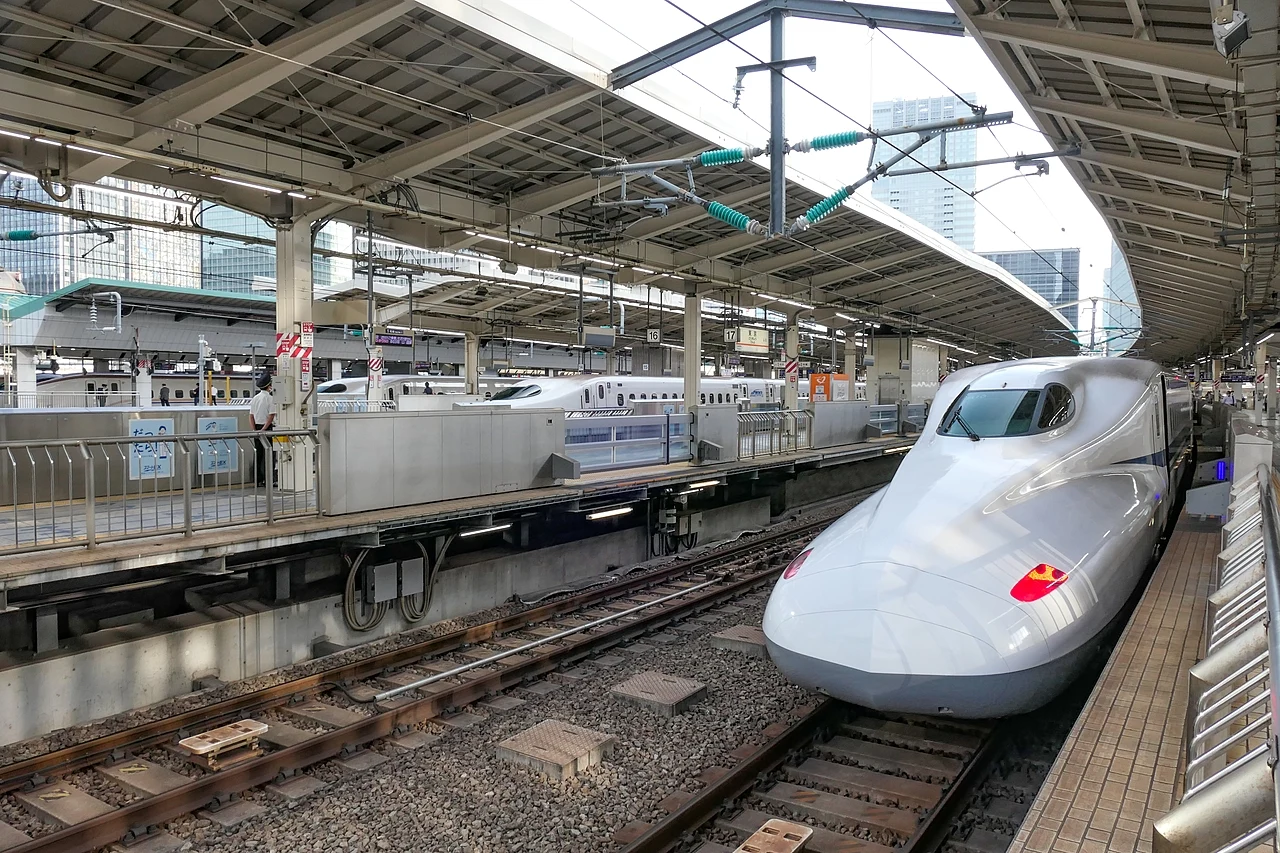
Since the 2023 price rise, the nationwide JR Pass only pays off on long, fast-moving trips. Here is how to tell in five minutes whether yours is one of them.
This post contains affiliate links. We may earn a commission if you book through them. How we make money.
Quick answer
For a classic Tokyo–Kyoto–Osaka week, the 7-day JR Pass usually costs more than buying single Shinkansen tickets. It starts to pay off when your seven days include at least one long ride beyond Osaka, such as Hiroshima, Kanazawa or northern Japan, plus a return to Tokyo.
What the JR Pass costs now
The Japan Rail Pass gives unlimited travel on most JR trains, including the Shinkansen bullet trains, for a fixed number of consecutive days. In October 2023 the price went up by roughly 70 percent, which changed the math for most visitors. Before then, a single round trip from Tokyo to Kyoto almost paid for a 7-day pass. That is no longer true.
| Pass | Price in yen | About in USD |
|---|---|---|
| 7 days | ¥50,000–¥53,000 | $330–$355 |
| 14 days | ¥80,000–¥84,000 | $530–$560 |
| 21 days | ¥100,000–¥105,000 | $665–$700 |
Dollar figures use about ¥150 to the dollar and are rounded. Children aged 6 to 11 pay half. A Green Car (first class) version costs about 40 percent more. From October 1, 2026, JR-designated agencies outside Japan charge the higher figure in each range (¥53,000 for 7 days); reports differ on whether the official Japan Rail Pass website has raised its price too, so compare both before you buy.
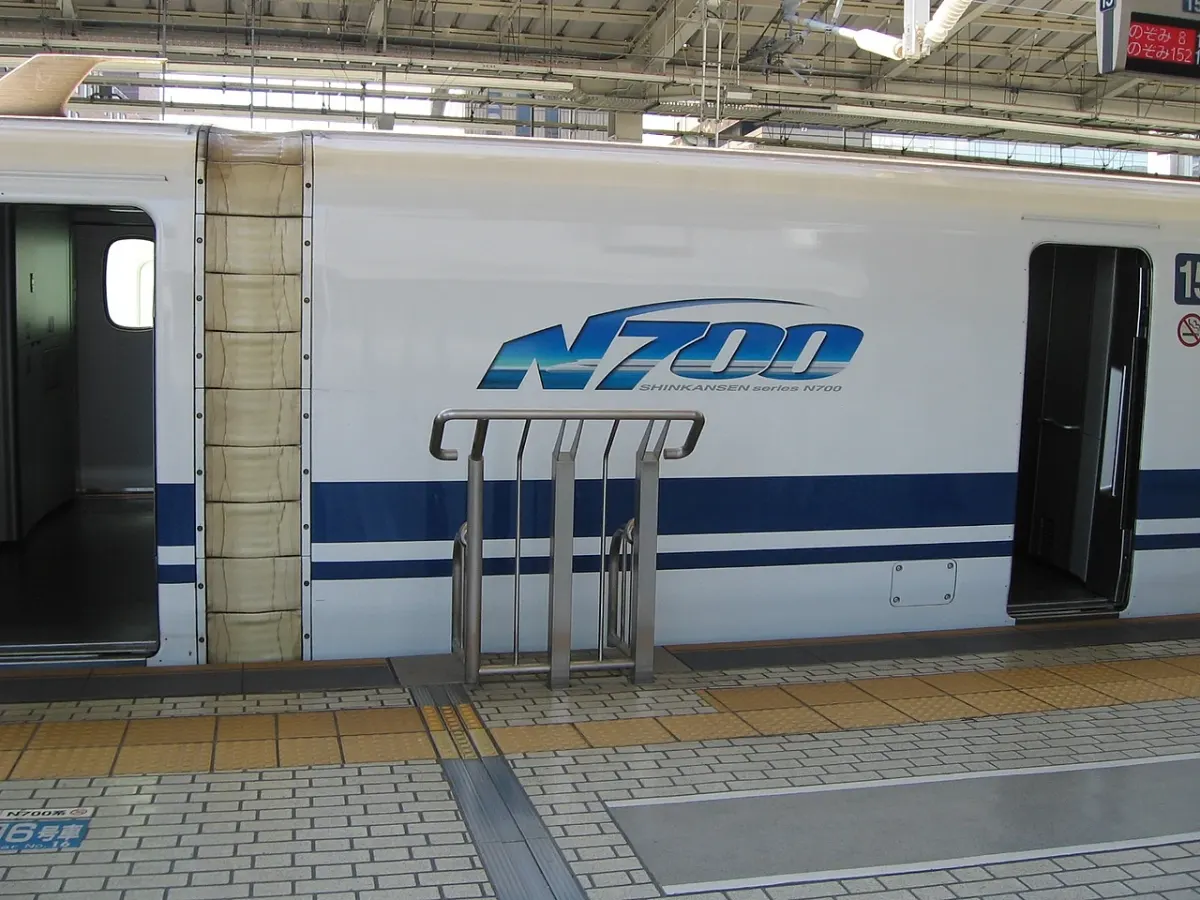
Two other details matter. First, the pass now covers the fastest Nozomi and Mizuho trains, but only if you pay a separate supplement for each ride (about ¥4,960 between Tokyo and Kyoto or Osaka). Hikari trains on the same line are included at no extra cost and are only 20 to 30 minutes slower. Second, the pass does not cover subways, private railways such as the Hankyu or Keihan lines, or most buses. You will still need an IC card such as Suica for city travel.
The one-minute rule of thumb
Add up the single tickets for your long-distance train rides only. Ignore city trains for now, because they rarely change the answer.
- Under ¥45,000 in Shinkansen fares within 7 days: skip the pass and buy single tickets.
- Between ¥45,000 and ¥55,000: it is close to a wash. Buy the pass only if you value the freedom to change plans without rebooking.
- Over ¥55,000: the pass will almost certainly save you money.
A useful shortcut: a one-way reserved seat from Tokyo to Kyoto costs about ¥14,000. So a Tokyo–Kyoto round trip is roughly ¥28,000, a little over half the price of the 7-day pass. You need to roughly double that distance within the same week before the pass wins.
Worked examples by itinerary
These are the trips first-time visitors actually take. Fares are approximate reserved-seat prices for Nozomi trains in late 2026 and are rounded to the nearest ¥100.
| Itinerary (7 days) | Single tickets | Better choice |
|---|---|---|
| Tokyo → Kyoto → Osaka, fly home from Osaka | About ¥15,000 | Single tickets |
| Tokyo → Kyoto → Tokyo (round trip) | About ¥28,300 | Single tickets |
| Tokyo → Kyoto → Hiroshima → Tokyo | About ¥45,500 | Roughly equal |
| Tokyo → Kanazawa → Kyoto → Hiroshima → Tokyo | About ¥53,500 | JR Pass, by a small margin |
| Tokyo → Sendai → Tokyo → Kyoto → Tokyo | About ¥51,000 | Close; pass for flexibility |
The classic one-way trip
Most first-timers fly into Tokyo and out of Osaka. In that case you take just one Shinkansen ride, Tokyo to Kyoto, and a short local train to Osaka. Single tickets cost about a third of the pass. This is the trip where the JR Pass is the worst value, and it is also the most common one.
Adding Hiroshima
Hiroshima and Miyajima are the most popular extension. A Tokyo–Kyoto–Hiroshima–Tokyo loop comes very close to the price of the 7-day pass. If you also plan day trips on JR lines, such as Nara or Himeji, the pass edges ahead. The JR ferry to Miyajima is covered, too.
Long loops and northern Japan
Routes that include Kanazawa, Sendai, Aomori or Kyushu are where the pass still shines. On a 14-day trip that covers Tokyo, the Japanese Alps, Kyoto, Hiroshima and Fukuoka, savings of ¥20,000 or more are realistic. If your trip looks like this, also compare the cheaper regional passes below, because one of them may cover most of your route.
How to run the numbers yourself
- Write down every train ride longer than about 30 minutes, in order.
- Look up each fare on the official SmartEX fare search or a route planner such as Navitime or Jorudan. Use the reserved-seat price.
- Add them up and compare with the pass for the number of days that covers those rides. Remember the pass runs on consecutive days, so you can start it on the day of your first long ride rather than your arrival day.
- If you would pay the Nozomi supplement on every ride, add it to the pass price. If you are happy on Hikari trains, leave it off.
A common mistake is counting Tokyo city rides. A day of sightseeing on the Yamanote Line costs about ¥600 to ¥1,000, so even seven days of it barely moves the total.
Planning the route first?
Our first-timer itinerary shows how to split a week between Tokyo, Kyoto and Osaka.
Cheaper alternatives
Single Shinkansen tickets. You can book online through SmartEX up to a month ahead, pick seats and collect tickets from machines with your credit card. Early-bird fares on some trains are cheaper still.
Regional passes. JR sells passes for a single area, such as the Kansai Area Pass, the JR East Tohoku Area Pass or the Hokuriku Arch Pass, which runs between Tokyo and Osaka via Kanazawa. These often cost half as much as the national pass and suit trips that stay in one part of the country.
Flights. For Tokyo to Hokkaido, Okinawa or southern Kyushu, a domestic flight on a low-cost carrier can beat any rail option on both price and time.
If you do buy it
You can buy the pass online before your trip, from authorized resellers, or at major JR stations in Japan for the same price. Buying online lets you reserve seats on the official site and collect the pass from a ticket machine with your passport. You need to be in Japan on “Temporary Visitor” status. If you enter through an automated immigration gate, ask an officer for a stamp or sticker in your passport, because some JR offices still ask to see it.
Once activated, you insert the pass into the ticket gate like any other ticket. Reserve seats for busy routes, especially on Fridays, Sundays and during holiday periods such as Golden Week and New Year.
Decided the pass is right for you?
Compare prices from the official site and authorized sellers before you buy.
Bottom line: work out your long rides first. If they add up to more than about ¥50,000 within seven days, the pass is worth it. If not, single tickets plus a Suica card are cheaper and just as easy.
Photos: Shinkansen at Tokyo Station by MaedaAkihiko, CC BY-SA 4.0; Fushimi Inari torii gates by Balon Greyjoy, CC0; Himeji Castle by Seattleite7, CC BY-SA 4.0. All via Wikimedia Commons.
More photos: N700 Shinkansen Nozomi by Syced, CC0; Tokyo Station, Marunouchi by Basile Morin, CC BY-SA 4.0. Via Wikimedia Commons.