Kyoto’s most famous ryokan cost well over $1,000 a night. You do not need to spend that for tatami rooms, a garden view and a kaiseki dinner. Here is what a budget under $300 gets you and how to find it.
This post contains affiliate links. We may earn a commission if you book through them. How we make money.
Quick answer
For under about $300 (roughly ¥45,000) per night for two, you can get a traditional room in a small family-run ryokan with breakfast, often with dinner on weekdays outside peak season. Look in Gion and Higashiyama for atmosphere, near Kyoto Station for convenience and lower prices, and Arashiyama for a quieter, greener stay. Check whether the price is per room or per person, and whether the bathroom is private.
What $300 gets you in Kyoto
| Price per night | Typical stay | Meals | Bathroom |
|---|---|---|---|
| $100–$180 | Simple family ryokan or guesthouse with tatami rooms | Room only or breakfast | Often shared, sometimes private |
| $180–$300 | Traditional ryokan, small garden, attentive hosts | Breakfast; dinner on some plans or weekdays | Usually private |
| $300–$600 | Well-known ryokan, kaiseki dinner in your room | Dinner and breakfast | Private, sometimes a cypress tub |
| $1,000+ | Kyoto’s historic top ryokan | Full kaiseki | Private |
Prices are a guide for weekday stays outside peak seasons, converted at about ¥150 to the dollar. During cherry blossom season (late March to early April) and autumn leaves season (mid-November to early December), expect 30 to 60 percent more. Kyoto also charges an accommodation tax per person per night, which rose in March 2026 and now scales with the room price, so check the final total before you book.
Best areas for a ryokan
Gion and Higashiyama: the most atmospheric part of Kyoto, with wooden teahouses, stone lanes and Kiyomizu-dera, Yasaka Shrine and Kodai-ji within walking distance. Many small ryokan are tucked into the backstreets. The downside is crowds in the daytime and higher prices.
Around Kyoto Station: the most practical choice, with direct trains to Nara, Osaka, Kansai Airport and Fushimi Inari. Ryokan here are often cheaper and simpler, and some are run by the same family for generations.
Central Kyoto (Karasuma, Kawaramachi, Nishiki): good for food lovers and evening walks along Pontocho and the Kamo River, with easy subway access.
Arashiyama: a riverside setting in the western hills, very quiet once the day visitors leave. A few ryokan here have hot spring baths. It is 15 to 25 minutes by train from central Kyoto.
Ryokan to shortlist
These are long-established ryokan that often come in under $300 for two on weekdays outside peak season. We have not stayed in all of them. Prices depend on the plan, so compare room-only, breakfast and dinner options before booking.
- Gion Hatanaka (Gion): a short walk from Yasaka Shrine, known for its evening events where guests can dine with a maiko, booked separately. Standard plans without dinner are the most affordable.
- Ryokan Motonago (Higashiyama): a small traditional inn near Maruyama Park and Kodai-ji, with tatami rooms, a garden and a family atmosphere.
- Ryokan Shimizu (near Kyoto Station): a simple, friendly and good-value ryokan a short walk from the station. Ideal if you want the tatami experience without the high price.
- Small Arashiyama ryokan: several riverside inns offer weekday plans in this range. Look for ones with a hot spring bath, which is rare in Kyoto.
Tip: on booking sites, filter by “Japanese-style room” and “ryokan”, then sort by review score. A small ryokan with 9-plus scores and fewer than 15 rooms is usually a good sign.
Ready to compare ryokan?
See Kyoto ryokan under $300 for your dates, with breakfast or dinner plans.
Five things that change the price
- Per person or per room. Japanese sites often quote per person. A “¥25,000” plan can mean ¥50,000 for two.
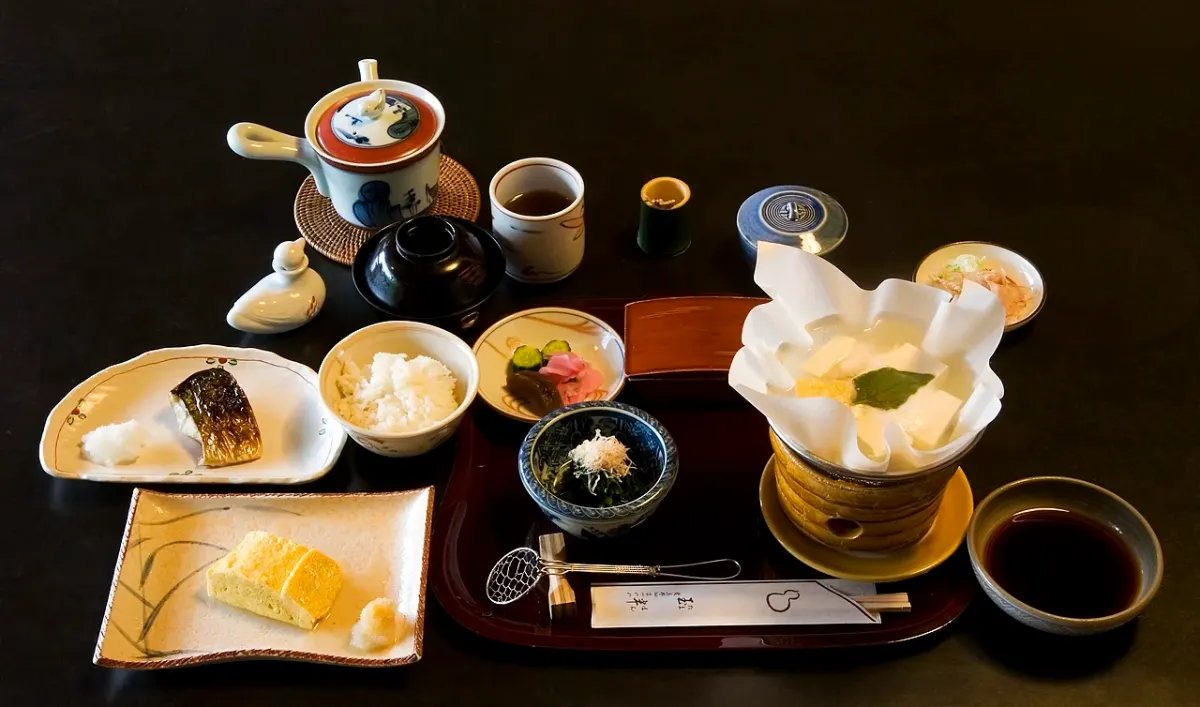
- Meals. A dinner plan can add ¥10,000 to ¥20,000 per person. In Kyoto, with so many restaurants nearby, a breakfast-only plan is often the better value.
- Day of the week. Friday and Saturday nights can cost 20 to 40 percent more than Sunday to Thursday.
- Bathroom. Cheaper rooms may share toilets and baths. Check the room details for “private bathroom”.
- Season. Avoid late March to early April, Golden Week (late April to early May) and November if price matters. January, February and early summer are the cheapest.
Ryokan, machiya or hotel?
Ryokan are traditional inns with hosts who look after you: tea on arrival, futons laid out at night, often a Japanese breakfast. Best for one or two nights of the full experience.
Machiya are restored wooden townhouses rented as a whole. You get more space and privacy, plus a kitchen, but no service. Good for families or longer stays.
Hotels are better value for longer stays and for travelers who want a Western bed and a big bathroom. A popular approach is to book a hotel for most of your Kyoto stay and one night in a ryokan. See our guide on where to stay in Kyoto.
Tips for your stay
- Arrive on time. Many small ryokan have set check-in hours, often 3 to 8 pm, and a curfew or locked door late at night. Tell them if you will be late.
- Shoes off at the entrance. Use the slippers provided in corridors, and go barefoot or in socks on tatami.
- Futons. Bedding is laid on the floor, either before you arrive or while you are at dinner. If you find it hard, ask for an extra mattress.
- Use luggage forwarding. Ryokan rooms are small, and stairs are steep. Send big suitcases ahead or leave them at your next hotel.
- Quiet hours. Walls are thin in older ryokan. Keep noise down after 10 pm.
A night in a Kyoto ryokan does not have to be a once-in-a-lifetime splurge. Choose a small, well-reviewed inn, skip the dinner plan if needed and stay on a weeknight, and you can have the experience for the price of a nice hotel.
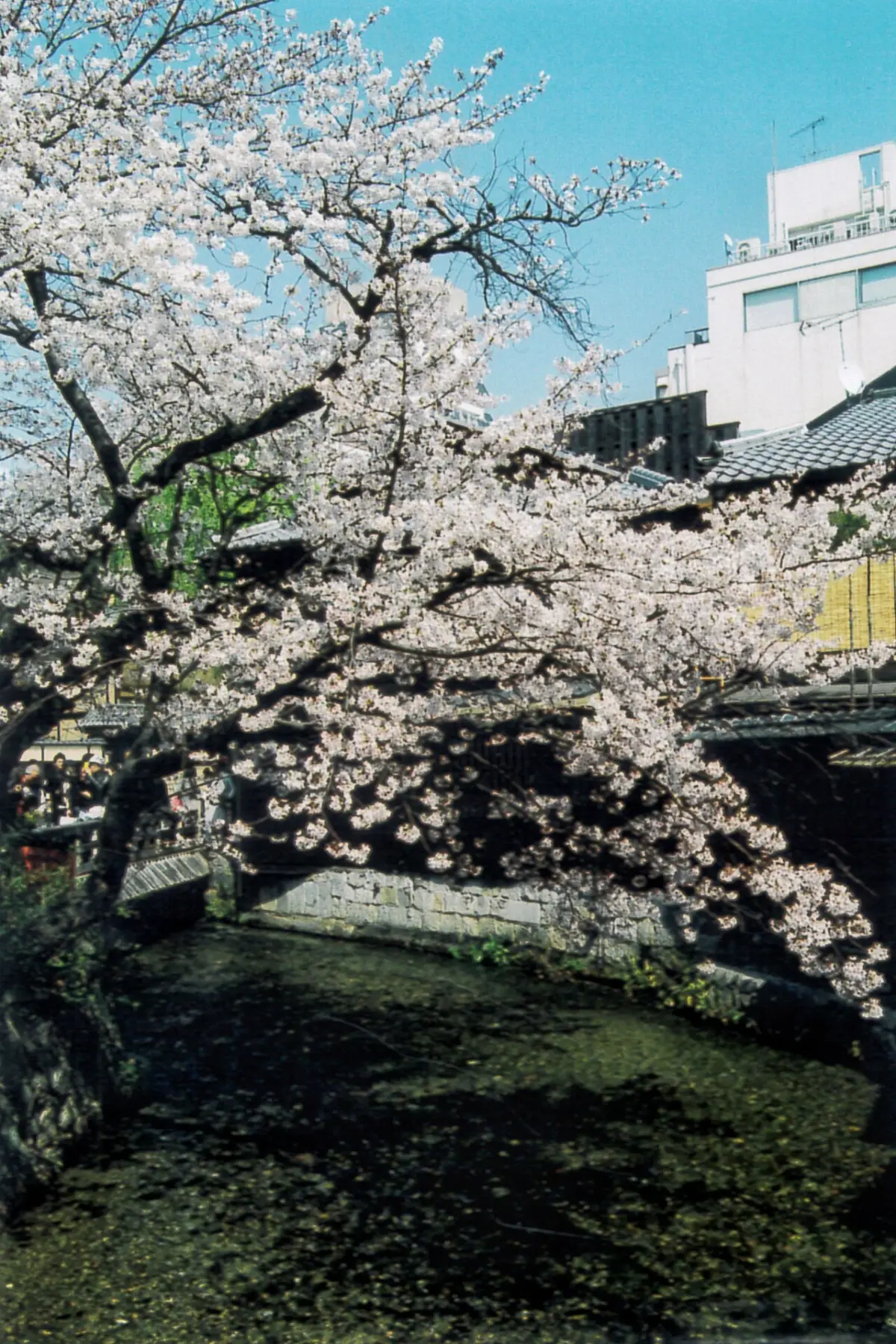
Photos: Tatsumi Bridge, Kyoto by Kirin7739, CC0. Via Wikimedia Commons.
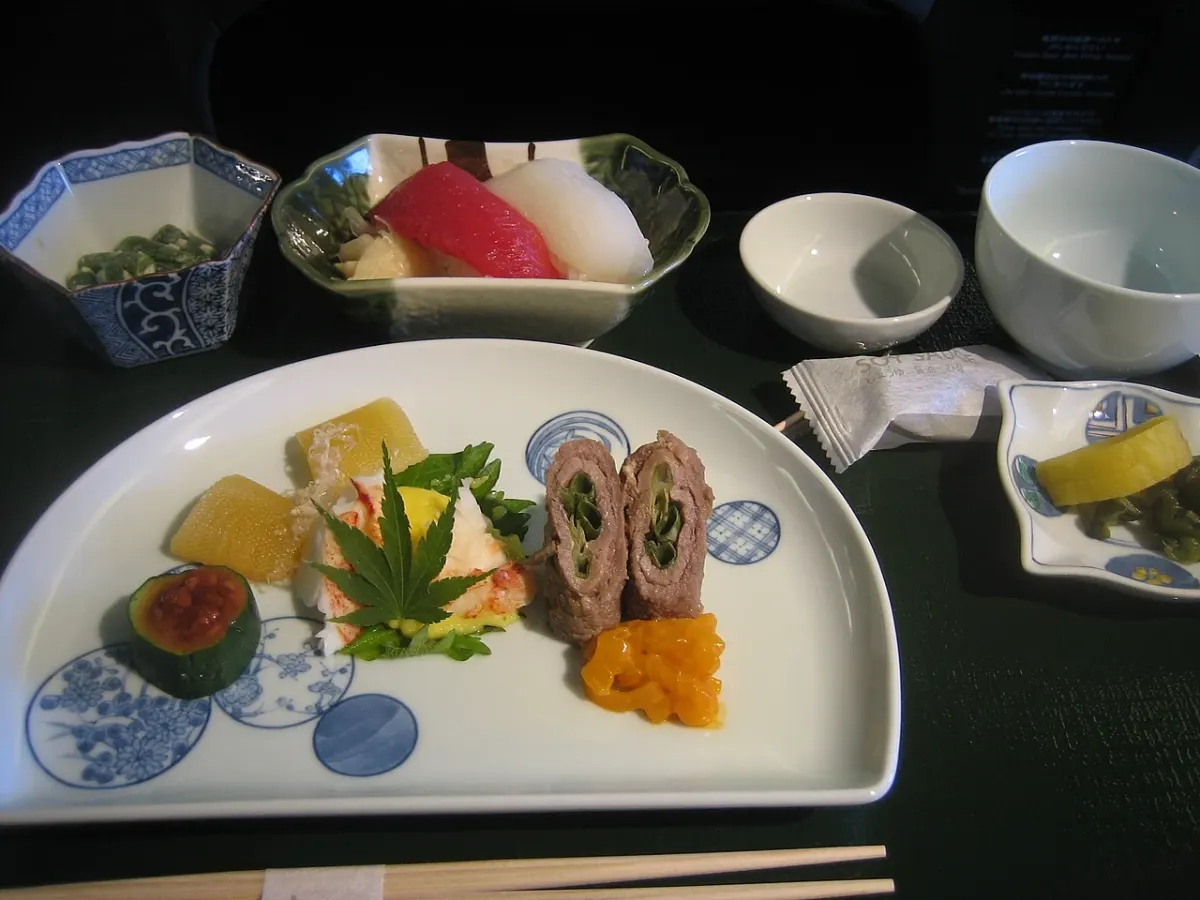
More photos: Breakfast at Tamahan Ryokan, Kyoto by MichaelMaggs, CC BY-SA 3.0; JAL Executive Class kaiseki meal by Ernesto Andrade, CC BY 2.0. Via Wikimedia Commons.