Five days in Tokyo with one hotel is a relaxed way to see Japan. Three city days cover the big neighborhoods, and two day trips give you mountains, temples and the sea without changing rooms.
This post contains affiliate links. We may earn a commission if you book through them. How we make money.
Quick answer
Day 1: Shinjuku, Harajuku and Shibuya. Day 2: Asakusa, Ueno and Akihabara. Day 3: Mt Fuji (Kawaguchiko) or Hakone. Day 4: Kamakura or Nikko. Day 5: Tsukiji, Ginza and teamLab, or a neighborhood of your choice. Stay in Shinjuku, the best base for day trips west, and put the day trips on the days with the best weather forecast.
The plan at a glance
| Day | Area | Highlights |
|---|---|---|
| 1 | West Tokyo | Meiji Shrine, Harajuku, Shibuya Crossing, Shinjuku at night |
| 2 | East Tokyo | Senso-ji, Ueno Park, Ameyoko, Akihabara |
| 3 | Day trip | Mt Fuji and Lake Kawaguchiko, or the Hakone loop |
| 4 | Day trip | Kamakura’s Great Buddha and Enoshima, or Nikko’s shrines |
| 5 | Central Tokyo | Tsukiji Outer Market, Ginza, teamLab, Tokyo Tower or Skytree |
The order is flexible. Check the weather forecast when you arrive: Mt Fuji is only worth the trip on a clear day, so move it to whichever day looks sunniest and swap the city days around it.
Day 1: West Tokyo
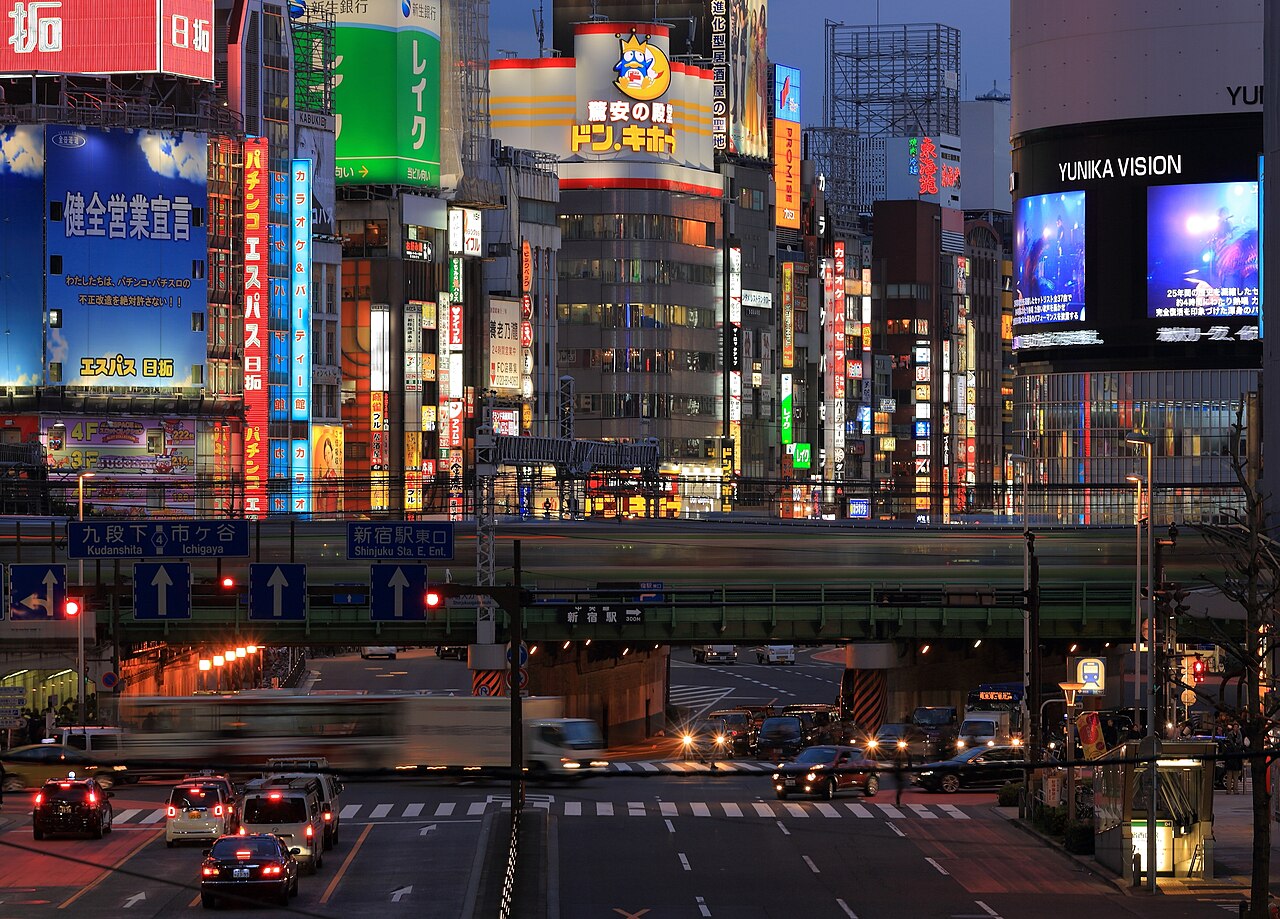
Start at Meiji Shrine as it opens, around sunrise. The walk through its forest of 100,000 trees is the calmest place in central Tokyo. Exit toward Harajuku for Takeshita Street’s crepes and fashion, then walk down Omotesando, a wide avenue of flagship stores and architecture.
Continue on foot to Shibuya in about 20 minutes. Cross the scramble crossing, visit the Hachiko statue and, if you booked ahead, watch the sunset from Shibuya Sky. In the evening, take the Yamanote Line two stops to Shinjuku for dinner in Omoide Yokocho or a drink in Golden Gai.
Day 2: Old Tokyo
Take the Ginza Line to Asakusa. Senso-ji, Tokyo’s oldest temple, is best before 8 am or after dark, when the crowds are gone and the buildings are lit. Walk the Nakamise shopping street and the quieter backstreets behind it, then cross the river for a view of Tokyo Skytree.
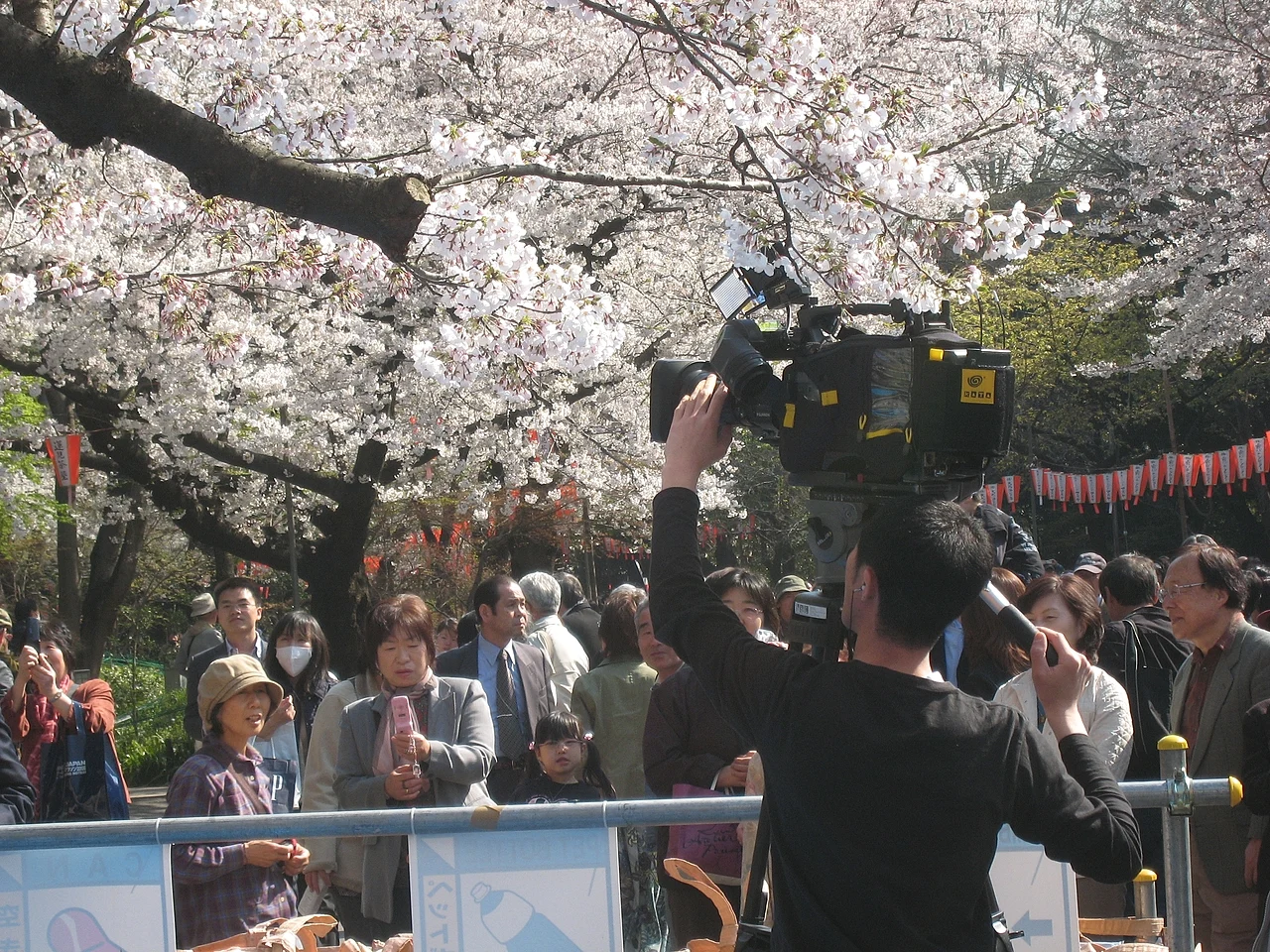
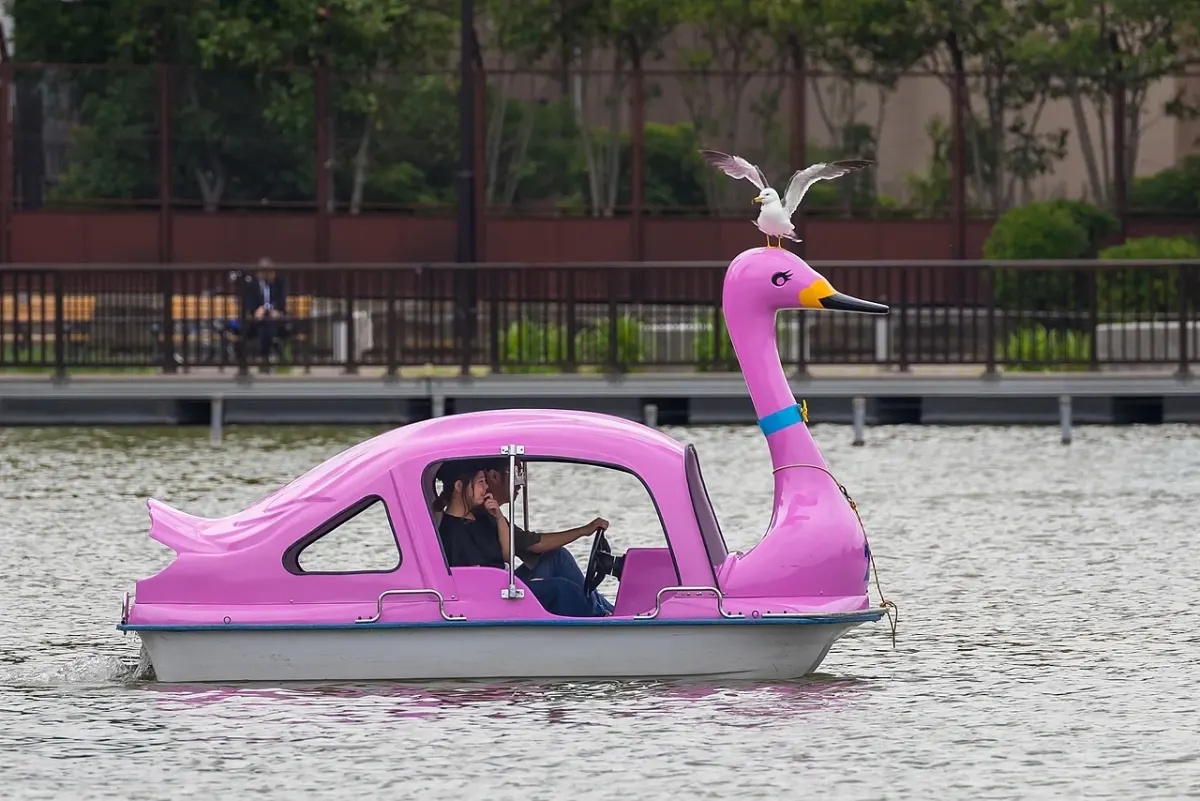
After lunch, head to Ueno. The park has the Tokyo National Museum, the best collection of Japanese art in the world, and Ueno Zoo. Walk through the Ameyoko market under the train tracks, then continue one stop to Akihabara for anime shops, retro game stores and arcades.
Day 3: Mt Fuji or Hakone
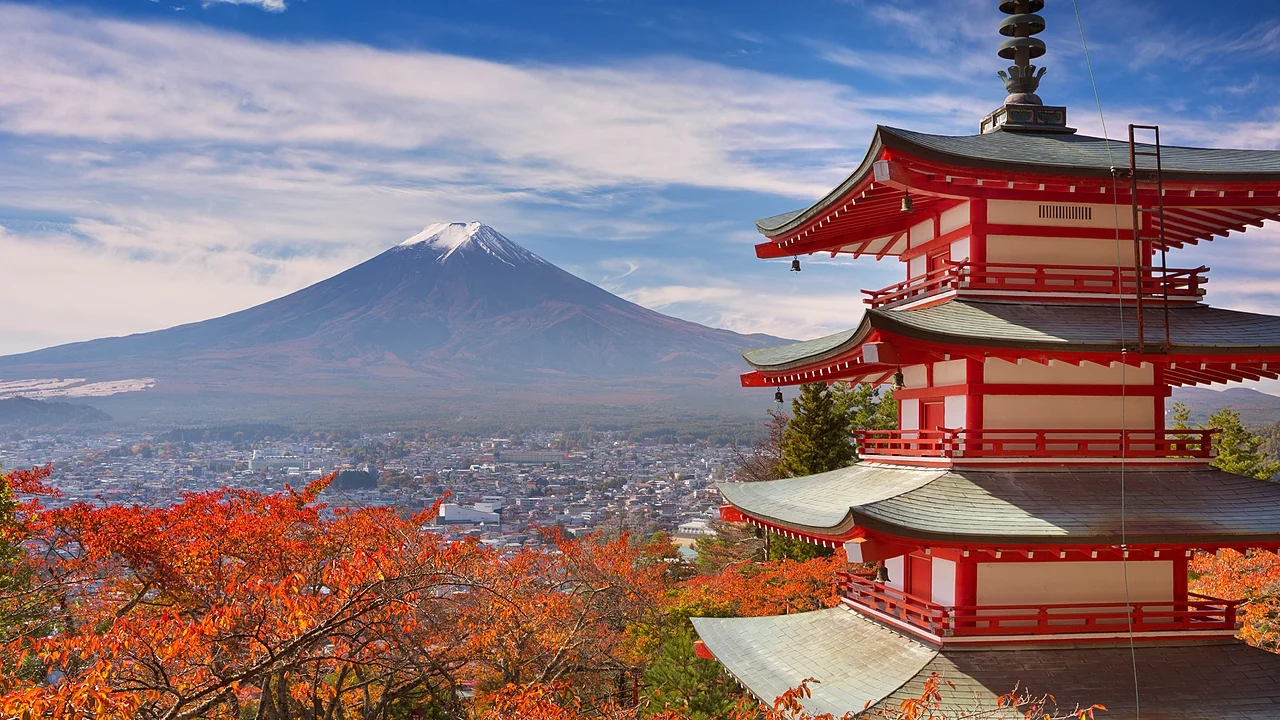
Mt Fuji and Lake Kawaguchiko: highway buses from the Shinjuku Expressway Bus Terminal reach Kawaguchiko in about two hours, as does the Fuji Excursion train. Climb to the Chureito Pagoda for the classic view, ride the Kachi Kachi ropeway and walk along the lake shore. Our Mt Fuji day trip guide has the full schedule.
Hakone: the Odakyu Romancecar from Shinjuku takes about 85 minutes. Ride the mountain train, cable car, ropeway over the volcanic valley of Owakudani and a boat across Lake Ashi, then soak in a hot spring before heading back. See our Hakone day trip guide.
Choose Kawaguchiko if seeing Mt Fuji close up is your priority; choose Hakone for hot springs and variety, with Fuji views as a bonus.
Prefer a guided day?
Mt Fuji and Hakone tours from Shinjuku handle the transport for you.
Day 4: Kamakura or Nikko
Kamakura and Enoshima (one hour south): see the 13-meter Great Buddha, the hydrangea temple of Hasedera and the bamboo garden of Hokokuji, then ride the little Enoden train along the coast to Enoshima island for seafood and sunset. Best for a relaxed day with the sea. Our Kamakura day trip guide has the route.
Nikko (two hours north): the gold-covered Toshogu shrine in a cedar forest, the Shinkyo bridge and, with an early start, Kegon Falls and Lake Chuzenji. Best for history and mountain scenery, especially in October. See our Nikko day trip guide.
If you are tired by now, Kamakura is the easier choice: shorter travel, flat walks and a beach.
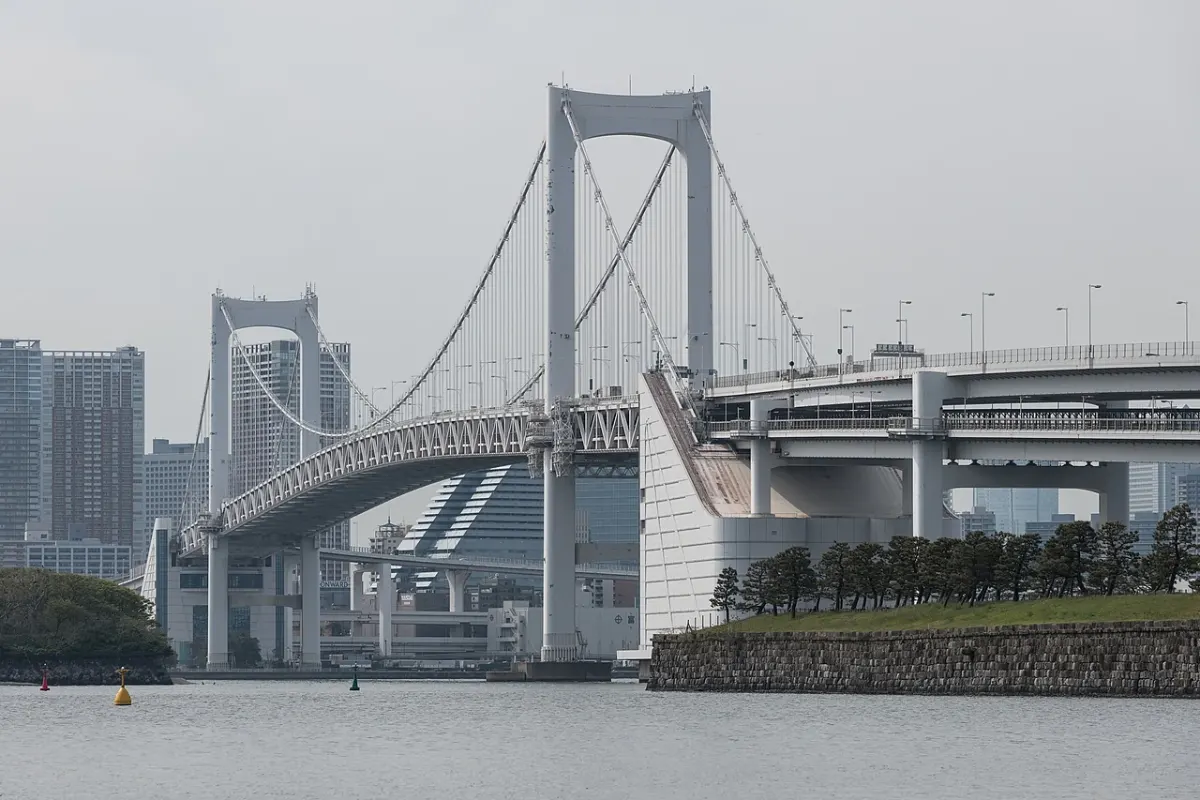
Day 5: Tsukiji, Ginza and digital art
Have a sushi breakfast and street-food snacks at the Tsukiji Outer Market, which is busiest from 8 to 11 am. Walk 10 minutes to Ginza for department-store food halls and flagship shops; on weekend afternoons the main street becomes pedestrian-only. Nearby, the Hamarikyu garden has a teahouse on a pond with skyscrapers behind it.
In the afternoon, visit teamLab Planets in Toyosu, where you wade through water and walk among digital flowers (book tickets ahead). End your trip with the night view from Tokyo Tower, Tokyo Skytree or the free observation deck in Shinjuku.
Prefer something different? Swap in Shimokitazawa for vintage shops and cafes, the Ghibli Museum in Mitaka (tickets sell out a month ahead), or a sumo tournament if one is on in January, May or September.
Where to stay and how to get around
Where to stay: Shinjuku is ideal because direct trains and buses to Hakone, Mt Fuji and Kamakura leave from there. If Nikko is your main day trip, Ueno or Asakusa are also good, as Tobu trains leave from Asakusa. See where to stay in Tokyo.
Getting around: use Suica or another IC card for everything in the city. No JR Pass is needed; the day trips use private railways and buses, and a JR Pass would not pay off.
| Item | Cost |
|---|---|
| City trains, 3 days | ¥2,000–¥3,000 |
| Mt Fuji by bus, round trip | About ¥4,000–¥5,000 |
| Hakone Free Pass + Romancecar | About ¥8,500 |
| Kamakura and Enoshima | About ¥2,000–¥2,500 |
| Nikko by Tobu limited express, round trip | About ¥6,000–¥8,000 |
Ready to book your base?
Compare hotels within a five-minute walk of Shinjuku Station.
Five days in Tokyo with two day trips gives you a surprising amount of Japan with no packing and unpacking. If you have only three days, our 3 days in Tokyo itinerary covers the city part.
Photos: Shinjuku at night by Martin Falbisoner, CC BY-SA 3.0; Ueno Park hanami by Syced, CC0; Chureito Pagoda and Mt Fuji by Dang Son, CC0. All via Wikimedia Commons.
More photos: Pink swanboat on Shinobazu Pond, Ueno Park by Basile Morin, CC BY-SA 4.0; Rainbow Bridge, Tokyo, South view from Odaiba by DXR, CC BY-SA 4.0. Via Wikimedia Commons.