Japan is no longer the cash-only country it was ten years ago, but cash still matters more here than in most rich countries. Here is how to pay for things without overpaying in fees.
This post contains affiliate links. We may earn a commission if you book through them. How we make money.
Quick answer
Use a no-foreign-fee card or a travel card such as Wise for most purchases; cards and phone payments are accepted at hotels, chain stores, department stores and most restaurants in cities. Carry about ¥10,000 to ¥20,000 in cash for small restaurants, temples, markets and rural buses. Withdraw yen from 7-Eleven or Japan Post ATMs, always choose to be charged in yen, and do not tip.
Where you need cash and where you do not
| Situation | Card or phone | Cash |
|---|---|---|
| Hotels, department stores, chain stores | Almost always | Accepted |
| Convenience stores | Yes, including Suica | Accepted |
| Chain restaurants and cafes | Usually | Accepted |
| Small family restaurants, izakaya, ramen shops | Sometimes | Often required |
| Ticket machines in ramen and soba shops | Some take IC cards | Often cash only |
| Temples and shrines (entry, charms) | Big ones increasingly | Often required |
| Markets and street food stalls | Rarely | Required |
| Taxis in cities | Yes | Accepted |
| Rural buses, small ryokan, countryside shops | Not always | Often required |
A useful rule: if a place is part of a chain or charges more than ¥3,000, it probably takes cards. If it is small, old and family-run, bring cash.
Which ATMs work with foreign cards
Many Japanese bank ATMs do not accept foreign cards, but the ones you will see most often do:
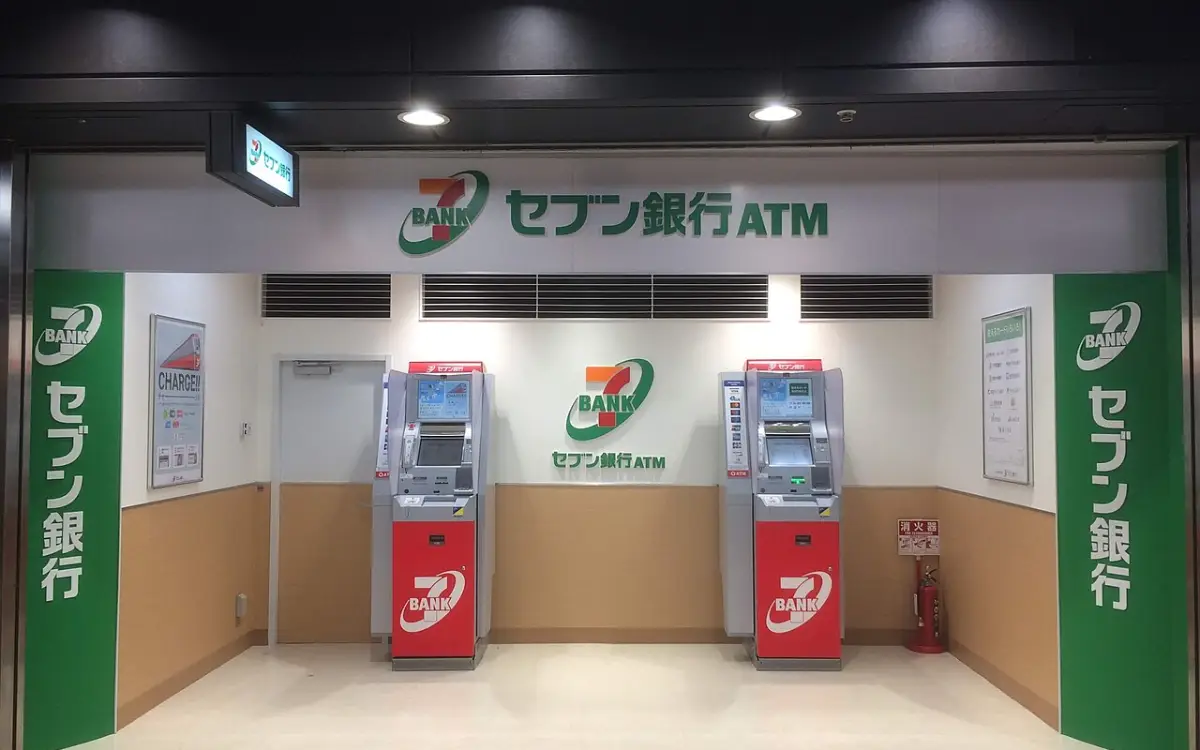
- 7-Eleven (Seven Bank): in every 7-Eleven, mostly open 24 hours, with English menus. The most reliable option.
- Japan Post Bank: in post offices and some stations. Hours are shorter at smaller branches.
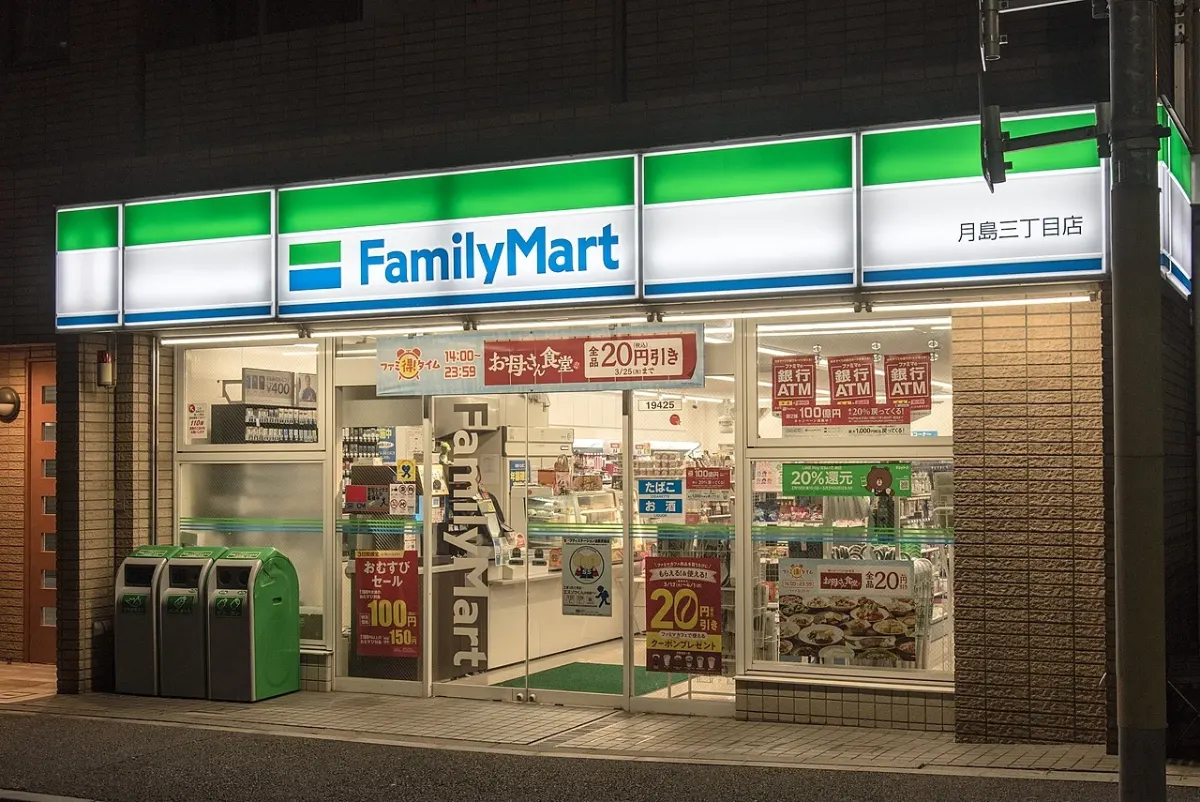
- Lawson and FamilyMart convenience stores: their ATMs also take most foreign Visa and Mastercard cards.
- Airports: all major airports have ATMs and currency exchange in the arrivals hall.
ATM operators charge a small fee per withdrawal for foreign cards, usually a few hundred yen, on top of whatever your own bank charges. Take out larger amounts less often rather than ¥5,000 at a time.
Want to skip foreign fees?
A multi-currency card such as Wise lets you hold yen and withdraw at a low cost.
Credit cards, debit cards and phone payments
Visa and Mastercard are accepted almost everywhere cards are taken. American Express and JCB are widely accepted in cities; Discover and UnionPay a little less so. Contactless payment by tapping a card, Apple Pay or Google Pay is now common in convenience stores, chain restaurants and taxis.
Suica and other IC cards also work as a payment method in convenience stores, vending machines, coin lockers and many shops. It is often the quickest way to pay small amounts. See our guide to Welcome Suica and other IC cards.
QR payment apps such as PayPay are huge in Japan, but most are hard for tourists to set up. You can safely ignore them.
How to avoid fees
- Use a card with no foreign transaction fee. Standard cards often add about 3 percent to every purchase.
- Always pay in yen. When a card machine or ATM offers to charge you in your home currency, decline. This is called dynamic currency conversion and the rate is usually several percent worse.
- Avoid exchanging cash at home. Rates at home banks and airport counters are poor. Withdrawing yen from an ATM in Japan is almost always cheaper.
- Bring a backup card. Keep a second card from a different bank separately, in case one is blocked or lost. Tell your bank you are traveling if it requires notice.
Tipping and hidden charges
Tipping is not part of Japanese culture. Good service is expected and included in the price, and leaving money on the table may cause staff to run after you to return it. This applies to restaurants, taxis, hotels and hairdressers.
There are a few exceptions and extra charges to know about:
- Otoshi: many izakaya bring a small appetizer you did not order and add a table charge of about ¥300 to ¥800 per person. It is normal, not a scam.
- Service charge: upscale restaurants and hotel restaurants often add 10 to 15 percent to the bill.
- Private guides and drivers: a tip is not expected but is sometimes accepted. Offer it in an envelope rather than handing over bare notes.
- Ryokan: some guests leave a small gift of money in an envelope for the room attendant at a high-end ryokan, but it is entirely optional and becoming rare.
Prices on menus and in shops usually include 10 percent consumption tax (8 percent for take-out food). Some places show prices before tax, marked with the word “tax excluded” or the characters 税抜.
Tax-free shopping
Visitors can shop tax-free at stores that display a “Tax-Free” sign. Since November 1, 2026, Japan uses a refund system: you pay the full price including tax, and the tax is refunded after customs confirms at departure that you are taking the goods out of the country. Bring your passport when shopping, keep purchases unopened where required, and allow extra time at the airport. Details are in our Visit Japan Web guide.
Practical tips
- Use the cash tray. In shops, put your money or card in the small tray by the register rather than handing it directly to the cashier.
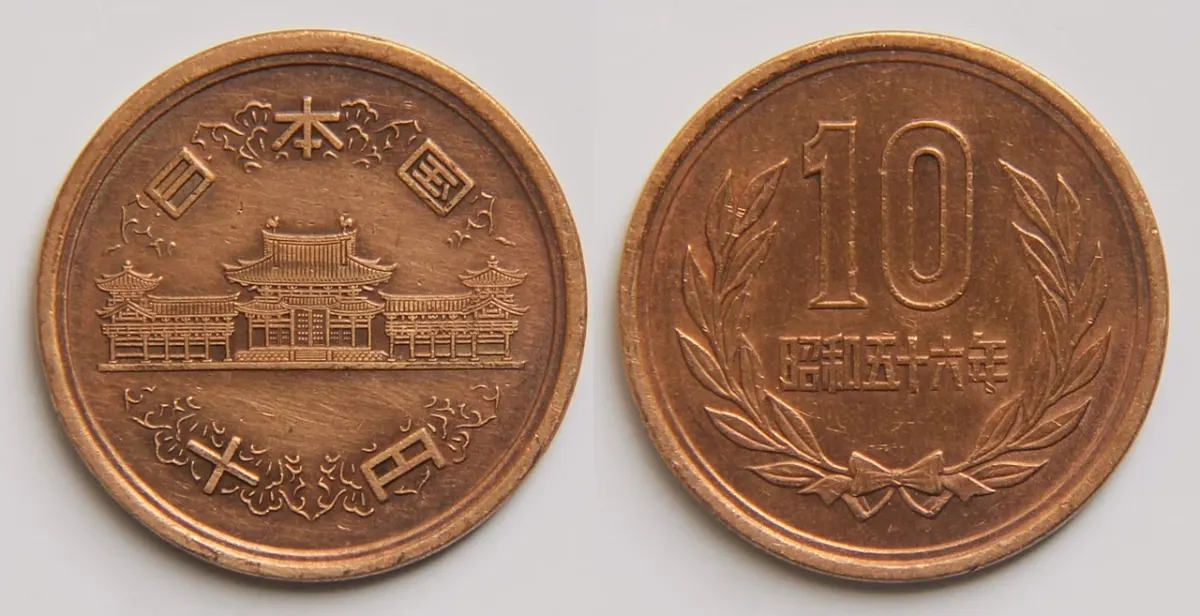
- Carry a coin purse. You will collect ¥100 and ¥500 coins quickly. They are handy for lockers, vending machines and temple donations.
- Keep ¥1,000 notes. Ticket machines and buses may not take ¥10,000 notes.
- Lost wallet? Report it at the nearest koban (police box). Japan has a remarkable record of lost wallets being returned with the cash still inside.
Bottom line: bring one or two good cards, take out cash from a 7-Eleven ATM when you land, keep ¥10,000 to ¥20,000 on you, and never tip. That covers almost every situation you will meet.
Photo: Seven Bank ATM by Rebirth10, CC BY-SA 4.0, via Wikimedia Commons.
More photos: 10 Yen (Japan) by AKS.9955, Public domain; FamilyMart-0320 by Donnie28, CC BY-SA 4.0. Via Wikimedia Commons.