An IC card lets you tap through ticket gates, ride buses and pay at convenience stores across Japan. There are now several tourist versions, and the PASMO Passport many guides still mention is gone. Here is what to get in 2026.
This post contains affiliate links. We may earn a commission if you book through them. How we make money.
Quick answer
If you have an iPhone, add Suica to Apple Wallet or use the free Welcome Suica Mobile app before you land. You top up with your own credit card and never need a physical card. If you use Android or prefer a card, buy a Welcome Suica at Narita or Haneda Airport (no deposit, valid 28 days) or a regular Suica or PASMO (¥500 refundable deposit, no expiry). The PASMO Passport was withdrawn in 2024; its replacement is TOURIST PASMO.
All options compared
| Option | Deposit | Valid for | Top up with | Best for |
|---|---|---|---|---|
| Suica in Apple Wallet | None | No expiry | Apple Pay card | iPhone users, repeat visitors |
| Welcome Suica Mobile (app) | None | 180 days | Apple Pay card | iPhone users who want in-app Shinkansen tickets |
| Welcome Suica (card) | None | 28 days | Cash at machines | Android users, short trips |
| Regular Suica or PASMO | ¥500 (refundable) | 10 years after last use | Cash at machines | Longer or repeat trips |
| TOURIST PASMO | None | 28 days | Cash at machines | Arrivals on Keikyu or Keisei lines |
All of these work the same way at the gate and in shops. The balance on any of them is capped at ¥20,000. Details can change, so check JR East or PASMO before you travel.
iPhone: Wallet Suica or Welcome Suica Mobile
If you have a reasonably recent iPhone, this is the easiest option. Open the Wallet app, tap the plus sign, choose Transit Card and then Suica, and load a few thousand yen using the credit or debit card already in Apple Pay. You can do this before you leave home. At the gate, hold your phone near the reader; you do not even need to unlock it. An Apple Watch works too.
JR East’s free Welcome Suica Mobile app, launched in March 2025, does the same thing but adds a few extras designed for tourists: an English interface, the ability to book JR East Shinkansen and limited express seats inside the app, and Green Car tickets for commuter trains. It lasts 180 days and the balance is not refundable, so do not overload it at the end of your trip.
Some foreign cards are declined when topping up. If yours is, try another card or top up with cash at a station ticket machine; most machines in JR East stations can charge a phone placed on the reader.
Android? Most phones sold outside Japan lack the FeliCa chip that Suica needs, so mobile Suica generally does not work. Use a physical card.
Welcome Suica card
The Welcome Suica is a tourist version of the physical card with no deposit. You buy it with ¥1,000 to ¥10,000 of credit at machines and travel centers at Narita and Haneda airports and some major JR East stations. It expires 28 days after purchase, and any balance left is not refunded, so try to run it down on your last day by buying snacks or souvenirs at a convenience store.
Physical cards can usually only be topped up with yen cash, at station machines or convenience store registers. Keep a few ¥1,000 notes handy.
Staying connected on the trains?
An eSIM keeps maps and train times working from the moment you land.
Regular Suica and PASMO
During the global chip shortage, regular Suica and PASMO cards were hard to buy. Normal sales returned in March 2025, so you can again get one at almost any JR or subway ticket machine in Tokyo. You pay a ¥500 deposit. When you return the card at a station office, you get the deposit and remaining balance back, minus a ¥220 fee taken from the balance.
The advantage is that the card does not expire for ten years after its last use. If you plan to come back to Japan, keep it. In practice, Suica and PASMO are interchangeable: both work on every train and bus in Tokyo and in most other big cities.
What happened to PASMO Passport?
The PASMO Passport, a deposit-free tourist card with a nice design, was withdrawn in 2024. Many older blog posts and videos still recommend it. Its replacement is TOURIST PASMO, which works like the Welcome Suica card: no deposit, valid for 28 days, no refund of the balance. It is sold mainly at Keikyu stations at Haneda and Keisei stations at Narita, so it is convenient if you arrive on those private railways. Do not count on finding it at ordinary city stations.
Where IC cards work, and where they do not
They work on: almost all trains, subways and buses in Tokyo, Osaka, Kyoto, Nagoya, Fukuoka, Sapporo and Sendai; most convenience stores, vending machines and coin lockers; and many restaurants, cafes and shops.
They do not cover:
- Shinkansen fares on most routes. You need a ticket or to link your card to an online booking. The exception is booking in the Welcome Suica Mobile app or via JR’s online services.
- Trips between IC areas. You cannot tap in at Tokyo and tap out in Sendai, for example. Buy a paper ticket for longer journeys.
- Some rural lines and buses, and a few local operators such as some buses in Kumamoto, which have switched to their own systems.
- Reserved seats on limited express trains, which need a separate ticket.
A day of sightseeing in Tokyo usually costs ¥600 to ¥1,000 in fares. Load ¥3,000 to ¥5,000 at first and top up as you go.
Tips and common mistakes
- Do not try to tap two cards at once. Keep your IC card or phone away from other contactless cards in your wallet.
- Each person needs their own card. You cannot pay for two people with one Suica at the gate.
- Children 6 to 11 get half fares only with a child IC card, such as a child Welcome Suica or a child Suica or PASMO bought at a station office with their passport. On an adult card they pay the full fare.
- If the gate beeps and closes, you usually have too little balance. Use the fare adjustment machine before the exit gate.
- Do you still need a JR Pass? An IC card is for local travel. For long-distance trips, see whether the JR Pass is worth it.
Covered for the unexpected?
Travel insurance protects you if a phone with your Suica on it is lost or stolen.
Bottom line: iPhone users should set up Suica in Wallet or the Welcome Suica Mobile app before departure. Everyone else should pick up a Welcome Suica or a regular Suica or PASMO at the airport and keep a little cash for top-ups.
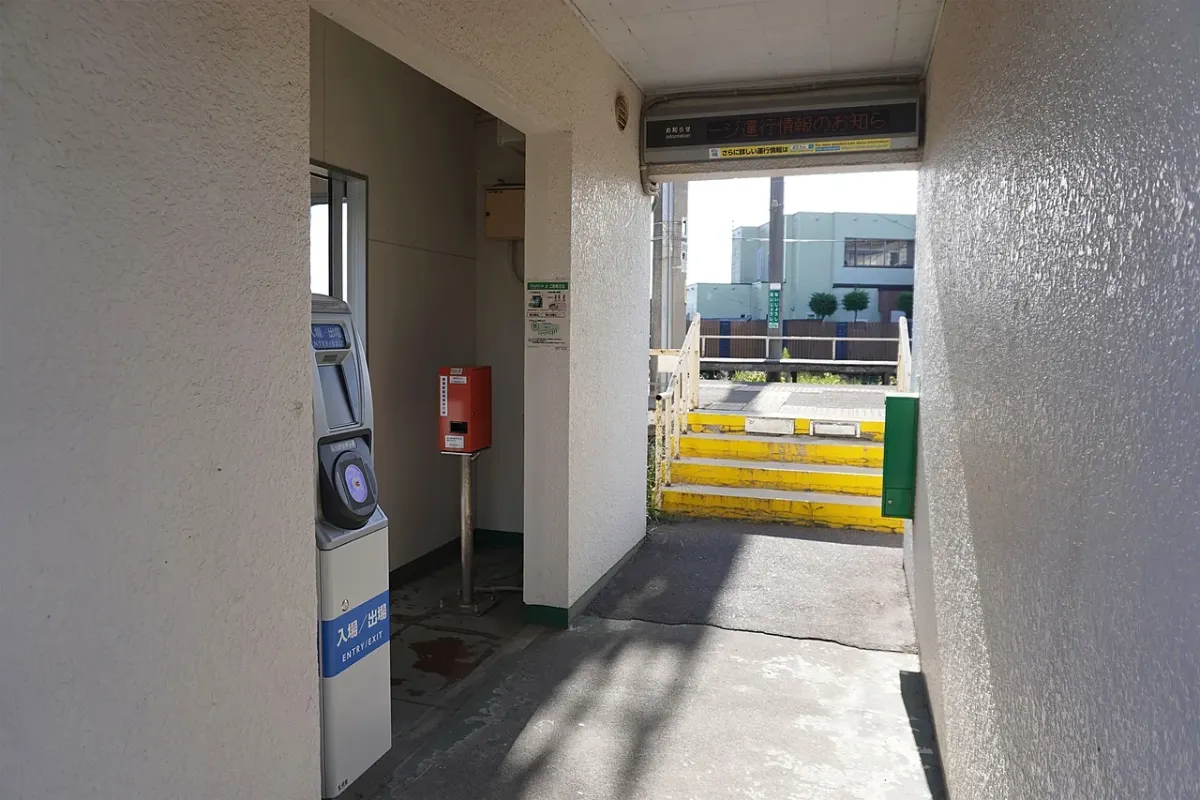
Photo: Suica ticket gate by Rory trains, CC BY-SA 4.0, via Wikimedia Commons.
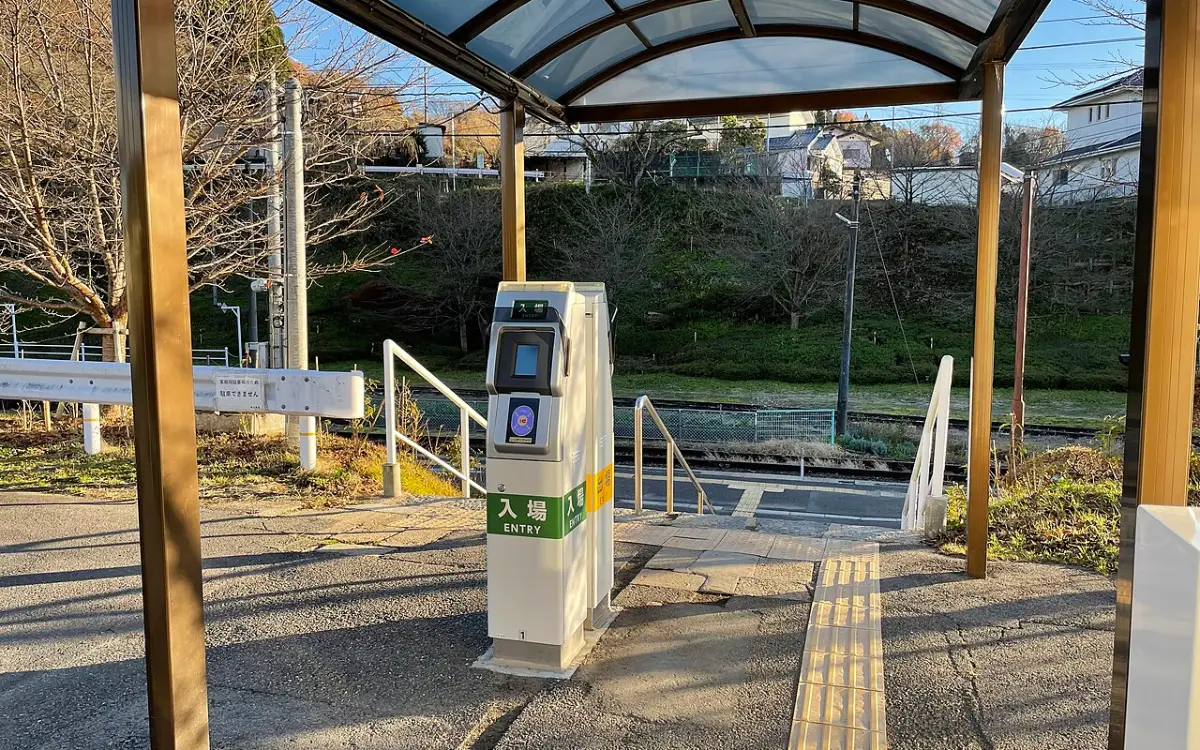
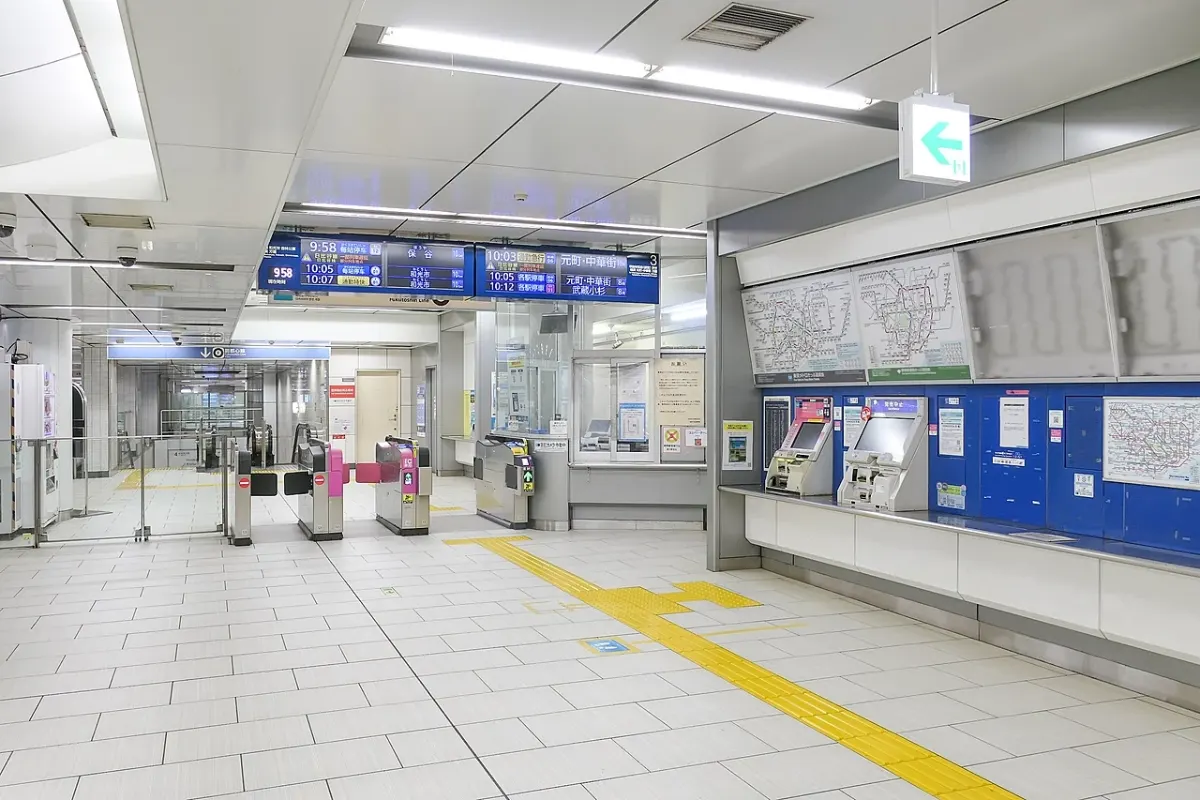
More photos: JR East Naijōshi Station Simple Suica Gate by Mister0124, CC BY-SA 4.0; Tokyo Metro Shinjuku-sanchome Station gate by MaedaAkihiko, CC0. Via Wikimedia Commons.