Five days is short for Japan, but it is enough for a real taste of both modern Tokyo and traditional Kyoto, as long as you resist the urge to add a third city.
This post contains affiliate links. We may earn a commission if you book through them. How we make money.
Quick answer
Spend two nights in Tokyo and two in Kyoto. Fly into Tokyo and out of Kansai Airport (or the reverse) so you never backtrack. Move to Kyoto by Shinkansen around midday on day 3. Skip Osaka, Hiroshima and Mt Fuji this time; each would cost you most of a day in transit.
The plan at a glance
| Day | Base | Plan |
|---|---|---|
| 1 | Tokyo | Arrive, evening in Shinjuku |
| 2 | Tokyo | Meiji Shrine, Harajuku, Shibuya, city views |
| 3 | Kyoto | Senso-ji at dawn, Shinkansen, Gion at dusk |
| 4 | Kyoto | Arashiyama, Kinkaku-ji, Kiyomizu-dera |
| 5 | Fly home | Fushimi Inari at sunrise, train to Kansai Airport |
Why only two cities? Every hotel change costs you two to three hours of packing, checking out, traveling and checking in. On a five-day trip that is a big share of your time. Two bases, one long train ride and an open-jaw flight give you the most sightseeing for the least hassle.
Day 1: Arrive in Tokyo
Haneda Airport is about 30 minutes from central Tokyo; Narita is about an hour by Narita Express or Keisei Skyliner. Set up Suica on your phone or buy an IC card at the airport, then head to your hotel. Shinjuku is the most practical base for a short stay.
Whatever time you land, try to stay up until at least 9 pm local time. Walk through Omoide Yokocho for yakitori and a beer, then look over the city lights from the free observation decks of the Tokyo Metropolitan Government Building.
Choosing a Tokyo base?
Shinjuku, Shibuya or Ginza: we compare them side by side.
Day 2: Tokyo highlights
Jet lag will probably wake you early. Use it. Start at Meiji Shrine when it opens at sunrise, then walk to Harajuku’s Takeshita Street and down Omotesando’s tree-lined avenue. Continue to Shibuya on foot (about 20 minutes) to cross the scramble crossing.
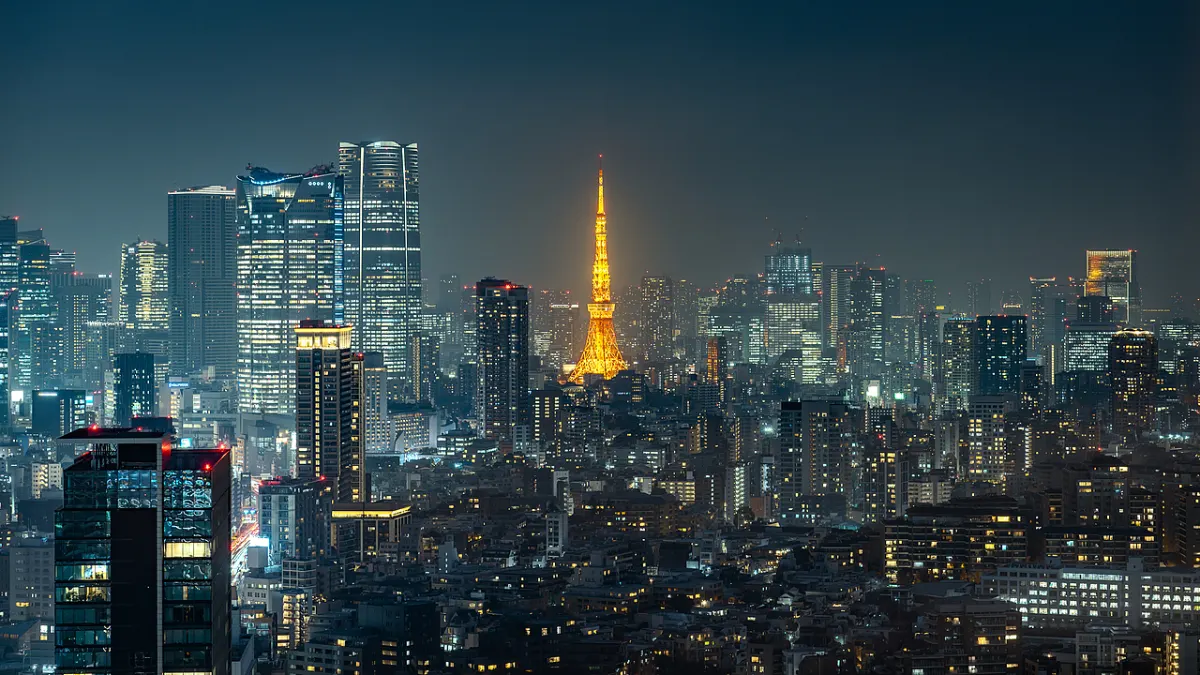
In the afternoon, choose one: teamLab Planets in Toyosu for immersive digital art (book ahead), Akihabara for anime and electronics, or the Tsukiji Outer Market area and Ginza. End the day at Shibuya Sky at sunset; tickets for the sunset slot sell out, so book a few days ahead.
Day 3: Asakusa and the Shinkansen
Go to Senso-ji, Tokyo’s oldest temple, before 8 am, when the main hall and lantern gate are almost empty. The temple grounds are open at all hours. Have breakfast nearby, collect your bags and head to Tokyo or Shinagawa Station.
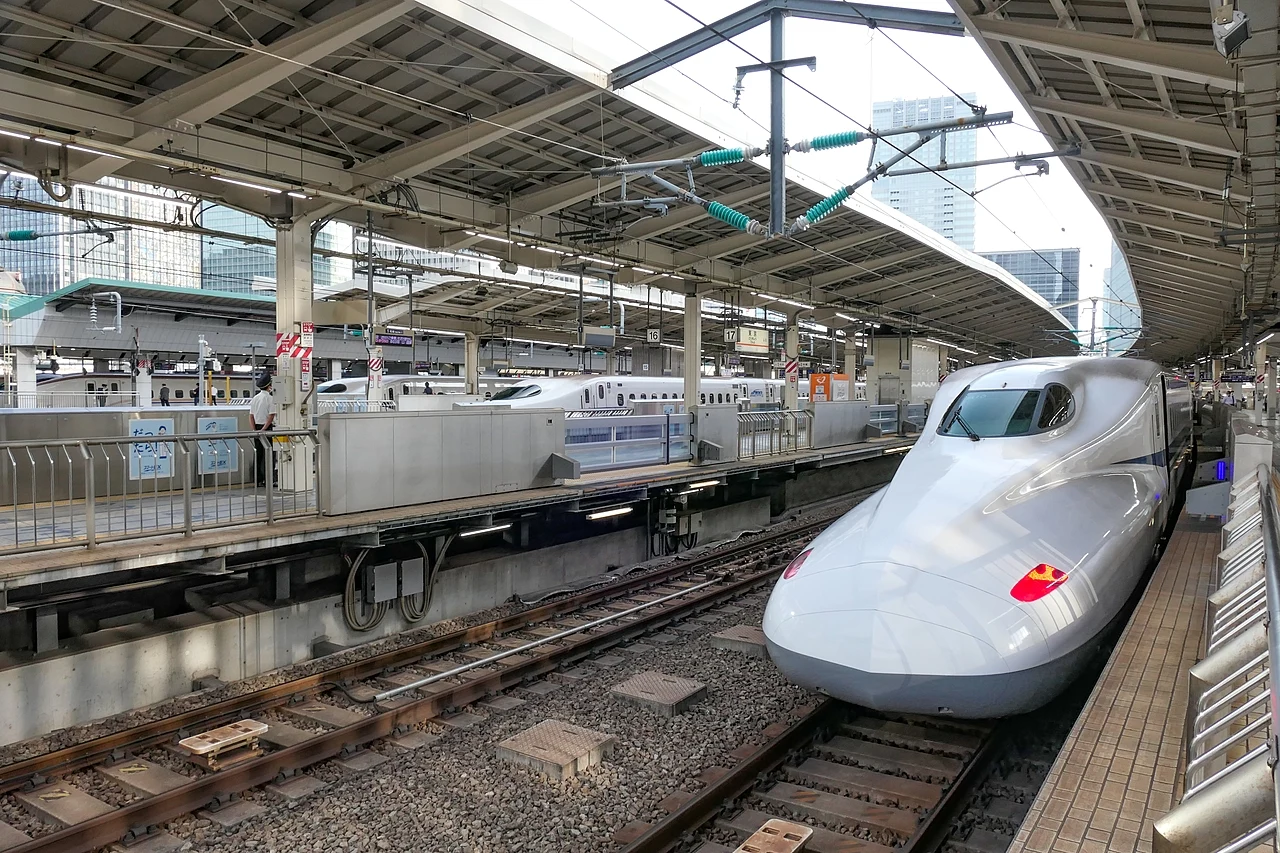
The Nozomi Shinkansen takes about 2 hours 15 minutes to Kyoto. Sit on the right side, seat E, for a chance to see Mt Fuji about 40 minutes out of Tokyo. Pick up an ekiben, a station bento box, to eat on board.
In Kyoto, drop your bags and spend the late afternoon in Gion: the Yasaka Shrine, Hanamikoji Street and the Shirakawa canal, which are at their prettiest as the lanterns come on. Have dinner in Pontocho, a narrow alley of restaurants along the Kamo River.
Day 4: Kyoto’s classics
Be at the Arashiyama bamboo grove by 8 am. Walk on through Okochi Sanso villa and Tenryu-ji’s garden, then cross the Togetsukyo Bridge. After lunch, take a taxi or bus to Kinkaku-ji, the Golden Pavilion, about 25 minutes away.
In the late afternoon, head east to Kiyomizu-dera. Walk up through the old lanes of Ninenzaka and Sannenzaka, and stay for sunset from the temple’s wooden stage. A taxi between these sights costs about ¥2,000 to ¥3,000 and saves a lot of time on Kyoto’s crowded buses.
Day 5: Early Kyoto and departure
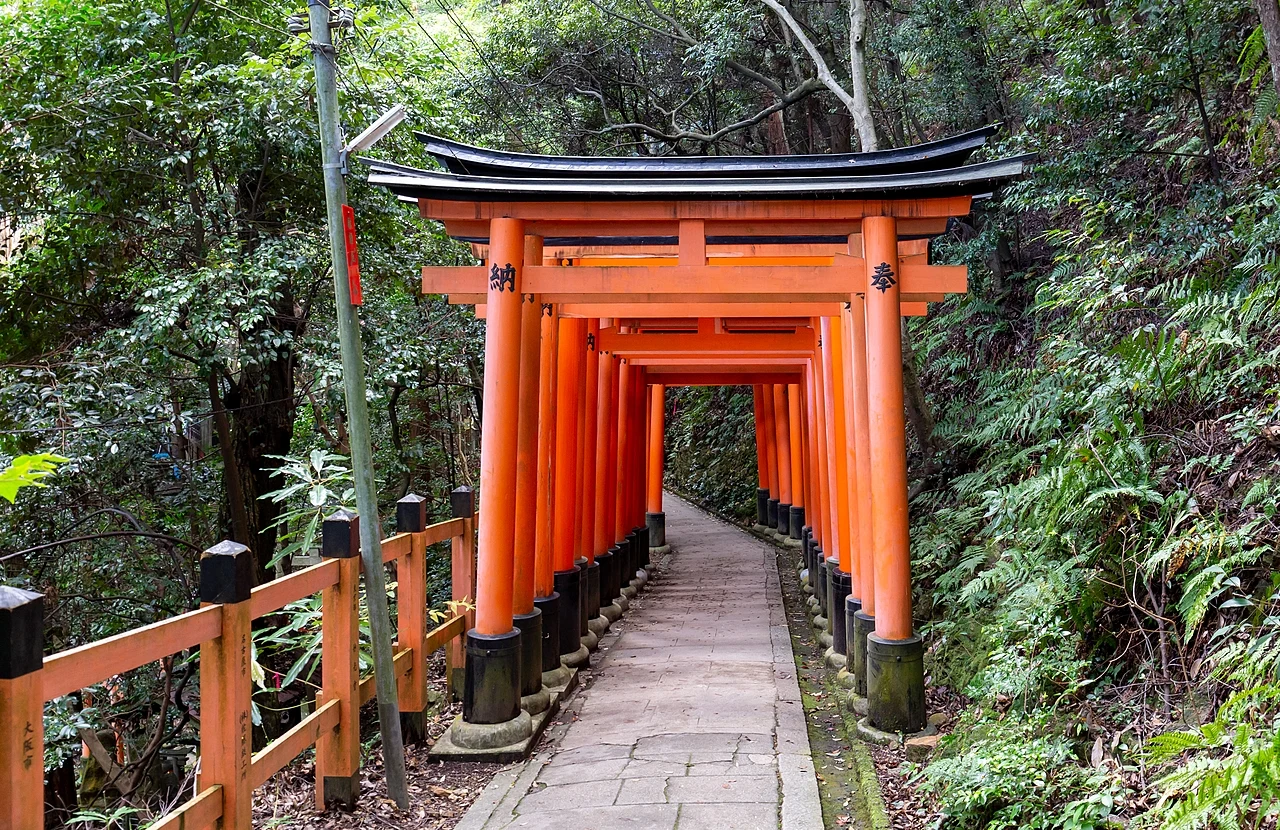
Fushimi Inari Taisha’s thousands of red torii gates are open around the clock, and at sunrise you will have them nearly to yourself. It is two stops from Kyoto Station on the JR Nara Line. Walk up for 30 to 45 minutes to the Yotsutsuji viewpoint, then head back.
From Kyoto Station, the Haruka limited express reaches Kansai Airport in about 75 minutes. For a midday or afternoon flight, this works comfortably. If your flight leaves in the morning, do Fushimi Inari on the afternoon of day 3 instead.
Tickets, flights and budget
Flights: Search for a multi-city ticket into Tokyo and out of Osaka (Kansai). It is often the same price as a return, and it saves you a three-hour trip back to Tokyo. See our tips on finding cheap flights to Japan.
JR Pass: Not worth it. One Tokyo to Kyoto Shinkansen ticket costs about ¥14,000, and the 7-day pass costs ¥50,000 to ¥53,000. Our JR Pass guide explains the math.
Luggage: Forward big suitcases from your Tokyo hotel to your Kyoto hotel the evening of day 2 (about ¥2,500 per bag, delivered next day), and travel to Kyoto with a day bag.
| Item | Cost |
|---|---|
| Hotels, 4 nights (half a double room) | $300–$500 |
| Shinkansen and airport trains | $130–$150 |
| Food | $200–$300 |
| Local transport, entry fees, taxis | $80–$120 |
| Total | $710–$1,070 |
If your trip is different
- Arriving and leaving from Tokyo? Spend three nights in Tokyo and one in Kyoto, or keep two and two and take the Shinkansen back on the morning of day 5.
- Want Mt Fuji instead of Kyoto? Stay in Tokyo for four nights and add a Fuji or Hakone day trip. You trade temples for mountain scenery.
- First time and nervous? Just do Tokyo, with day trips to Kamakura and Nikko. It is the least stressful version.
- Have two more days? Our 7-day Japan itinerary adds Nara and Osaka.
Five days will leave you wanting more, and that is fine. Japan rewards return visits, and seeing a little of it well beats seeing a lot of it from a train window.
Photos: Shinkansen at Tokyo Station by MaedaAkihiko, CC BY-SA 4.0; Fushimi Inari torii gates by Balon Greyjoy, CC0. All via Wikimedia Commons.
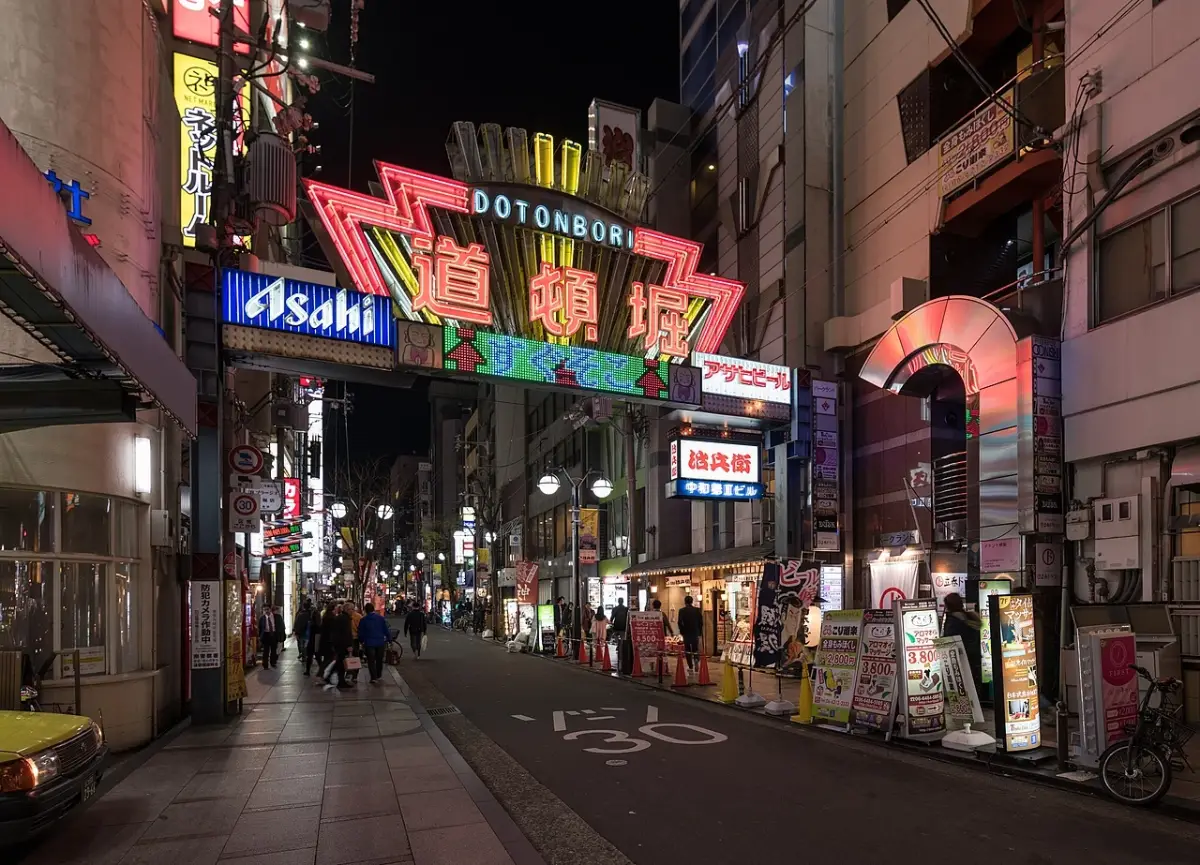
More photos: Dotonbori Neon Sign, Osaka by DXR, CC BY-SA 4.0; Tokyo Tower, Minato City by David Kernan, CC BY 4.0. Via Wikimedia Commons.