A ryokan night with your own hot spring bath is one of the great experiences of a trip to Japan, and Hakone, 90 minutes from Tokyo, is the easiest place to have it. Here is what you get at each price level and how to choose.
This post contains affiliate links. We may earn a commission if you book through them. How we make money.
Quick answer
For a room with its own open-air onsen and dinner and breakfast included, budget about ¥60,000 to ¥100,000 per night for two people in Hakone, more in peak season. If that is too much, choose a smaller ryokan with private “kashikiri” baths you reserve by the hour, from about ¥30,000 to ¥50,000. Stay in Gora or Miyanoshita for mountain views, or Hakone-Yumoto for the easiest access.
Three kinds of private onsen
“Private onsen” can mean three different things in ryokan listings, and the price difference between them is large.
- In-room open-air bath (rotenburo): a stone, wood or ceramic tub on your own balcony or terrace, filled with hot spring water around the clock. This is the dream version and the most expensive.
- In-room indoor bath: a hinoki cypress or stone tub inside the room. Still private and lovely, but without the open-air feeling. Check that it uses hot spring water, not ordinary tap water.
- Private reserved bath (kashikiri-buro): a shared bath you book for 40 to 50 minutes for just your group. It is free or a small fee at many ryokan and is the budget-friendly way to bathe privately. It is also the best option for travelers with tattoos, which are often not allowed in public baths.
What each budget gets you
| Budget per night | Typical bath | What to expect |
|---|---|---|
| ¥30,000–¥50,000 | Reserved private bath, sometimes small in-room tub | Small family-run inns, simple rooms, buffet or set dinner |
| ¥60,000–¥100,000 | In-room open-air bath | Modern ryokan, kaiseki dinner in a private dining room, views |
| ¥120,000–¥250,000+ | Large in-room open-air bath, often with valley views | Top ryokan, refined kaiseki, suites, high service |
Prices are a rough guide for weekdays outside peak times and include dinner, breakfast, tax and service. Saturdays, Japanese public holidays, New Year and the autumn leaves season in November can cost 30 to 50 percent more. A local bathing tax of ¥150 per person per night is usually added on the bill.
Which part of Hakone
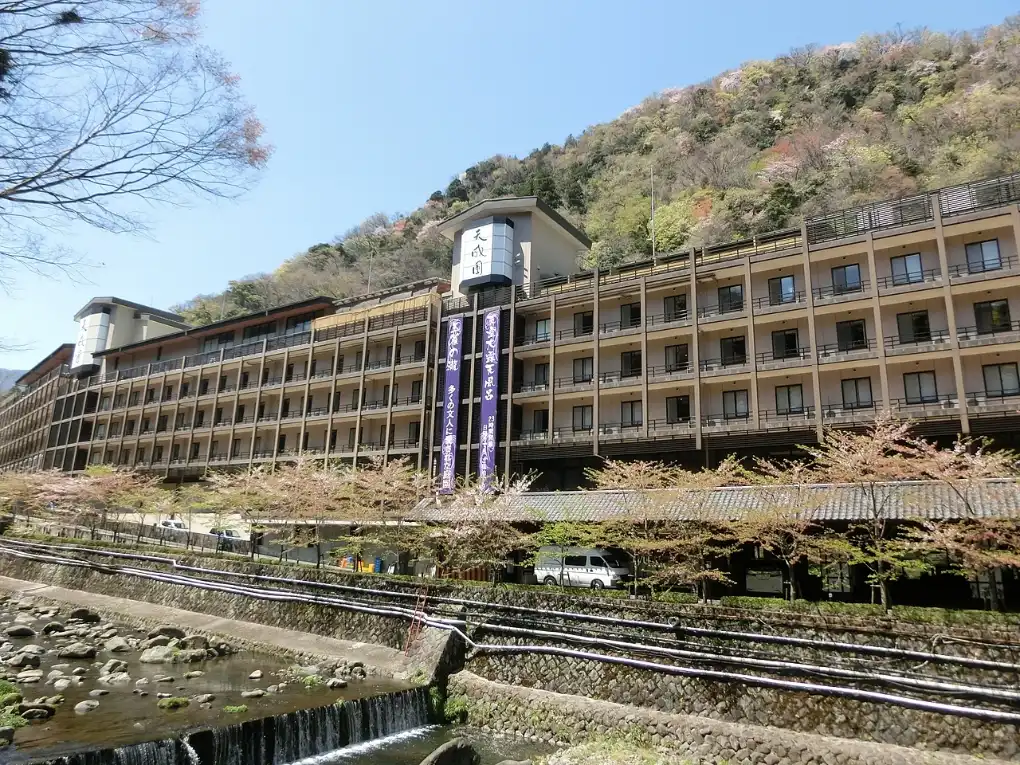
Hakone-Yumoto is the gateway town at the end of the Romancecar line. It has the most ryokan, the widest price range and easy access, but less of a mountain feel.
Tonosawa and Miyanoshita, a few stops up the Tozan mountain railway, have quieter riverside and valley settings and some of the oldest hot spring inns.
Gora is the hub of the Hakone loop, at the top of the mountain railway and the bottom of the cable car. It is the most convenient base for sightseeing and has many mid-range and luxury ryokan.
Sengokuhara is a high, open plateau known for its silver pampas grass in autumn and its museums. It is quieter and best if you have a car or do not mind buses.
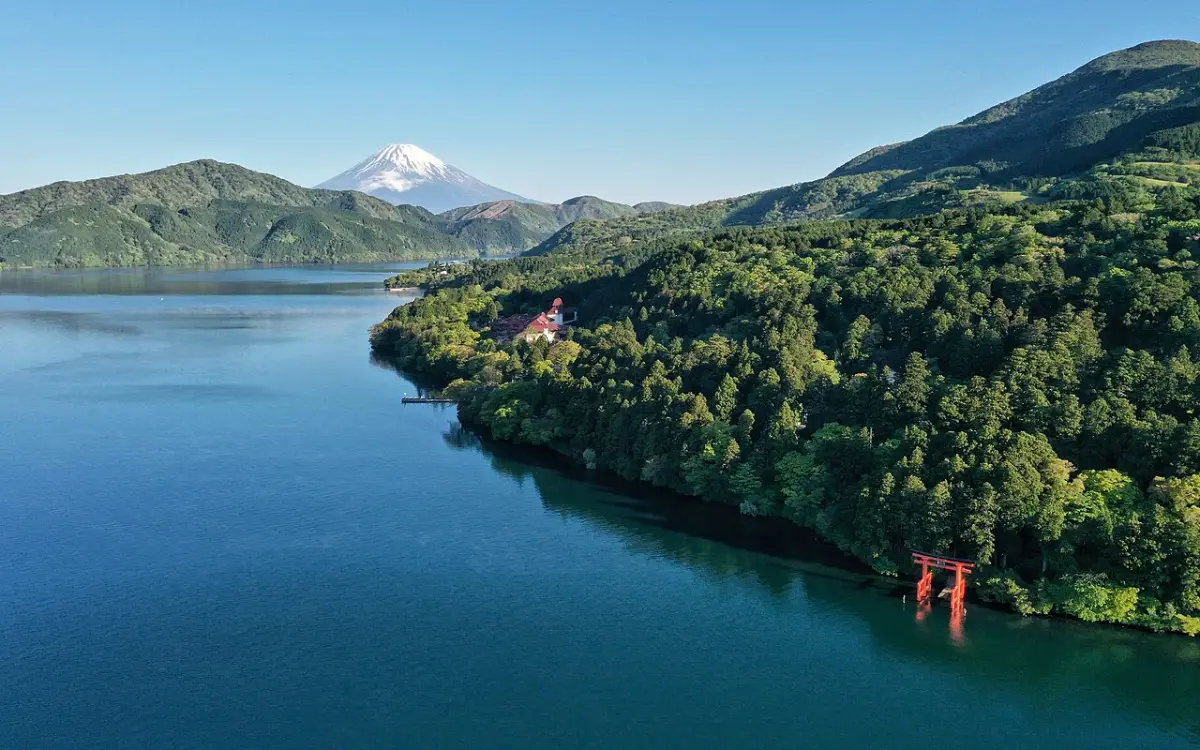
Lake Ashi (Moto-Hakone and Hakone-machi) offers lake and Mt Fuji views, but is farther from the train and has fewer ryokan with in-room baths.
Ryokan to shortlist
These are well-known, well-reviewed Hakone ryokan where private bathing is a feature. We have not stayed in all of them, and room types vary, so check that the exact room you book includes the bath you want.
Splurge
- Gora Kadan (Gora): a former imperial family villa turned into one of Japan’s most famous luxury ryokan. Choose a room category with a private open-air bath.
- Hakone Ginyu (Miyanoshita): known for open-air baths on the balconies that look straight down a forested valley.
- Kinnotake (Tonosawa and Sengokuhara): modern luxury ryokan where every room has its own open-air bath. Check the age policy if traveling with children.
Mid-range
- Gora Karaku (Gora): a modern ryokan near Gora Station with rooms that have private open-air baths.
- KAI Hakone (Tonosawa): a riverside ryokan from the Hoshino Resorts group, with some rooms that have open-air baths and a strong food program.
- Aura Tachibana (Hakone-Yumoto): close to Yumoto Station, with rooms that have private open-air baths; popular with families.
Budget-friendly
- Smaller inns in Gora and Yumoto with reserved private baths. Search for “kashikiri” or “private reservable bath” in the listing and check reviews for how easy it is to get a slot.
- Room-only plans: some ryokan offer plans without dinner for 30 to 40 percent less. You lose the kaiseki meal but keep the bath.
Ready to compare ryokan?
Filter Hakone stays by “private bath” and see prices for your dates.
How to book the right room
- Read the room name. Look for “with open-air bath”, “rotenburo” or “private hot spring” in the room type, not just in the hotel description.
- Check the water. “Natural hot spring” (gensen or onsen) is what you want. Some cheaper rooms have ordinary heated water in the in-room tub.
- Check dinner time. Kaiseki dinners usually start between 5:30 and 7:30 pm. If you plan to do the Hakone loop on arrival day, book a later slot.
- Check access. Some ryokan run free shuttles from the station; others are a steep walk up the hill with luggage.
- Book early. The best rooms for autumn weekends and holidays sell out two to three months ahead.
What to expect during your stay
Check-in is usually from 3 pm. Staff will show you to your room, serve green tea and sweets, and explain the bath and meal times. You change into a yukata, a light cotton robe, which you can wear to dinner and around the ryokan. Wrap it left side over right; right over left is how the deceased are dressed.
Shower and wash fully before getting into any onsen, including your private one, so the water stays clean for everyone after you. Most people bathe several times: before dinner, late at night and at sunrise. Drink water between soaks, as the hot spring water is warmer than most people are used to.
Dinner is a multi-course kaiseki meal using local and seasonal ingredients. Tell the ryokan about allergies or dietary needs when you book; vegetarian menus are often possible with notice. Futons are laid out while you are at dinner. Check-out is usually 10 or 11 am.
If you only have one night to spend on a special stay in Japan, a Hakone ryokan with its own open-air bath is hard to beat. Pair it with the classic loop in our Hakone guide for a perfect two-day escape from Tokyo.
Photo: Lake Ashi and Hakone Shrine by Charlie fong, CC BY-SA 4.0, via Wikimedia Commons.
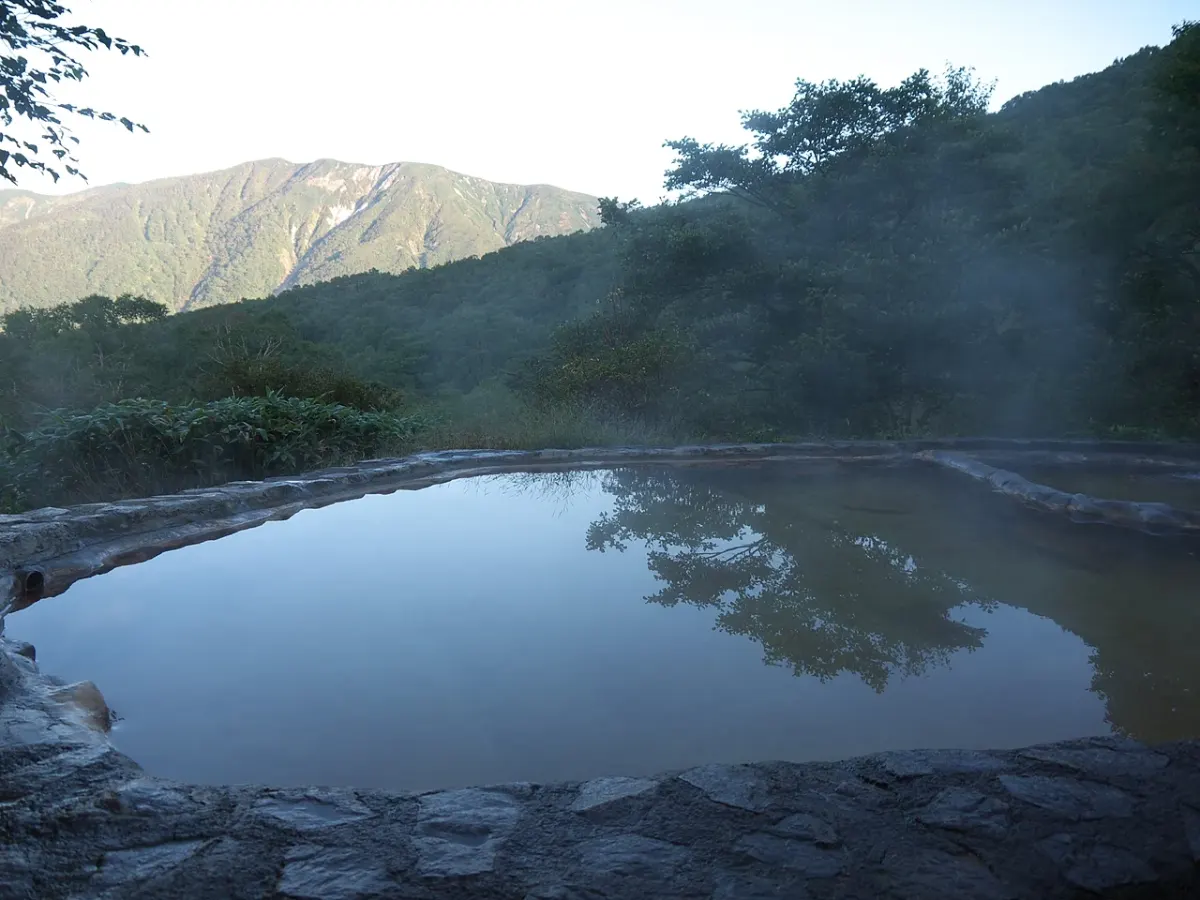
More photos: Hakone Yumoto Onsen Tenseien by Abasaa, Public domain; Spa Sandogoya, outdoor bath Tabako, Nasushiobara by 黒ゆり, CC BY-SA 3.0. Via Wikimedia Commons.