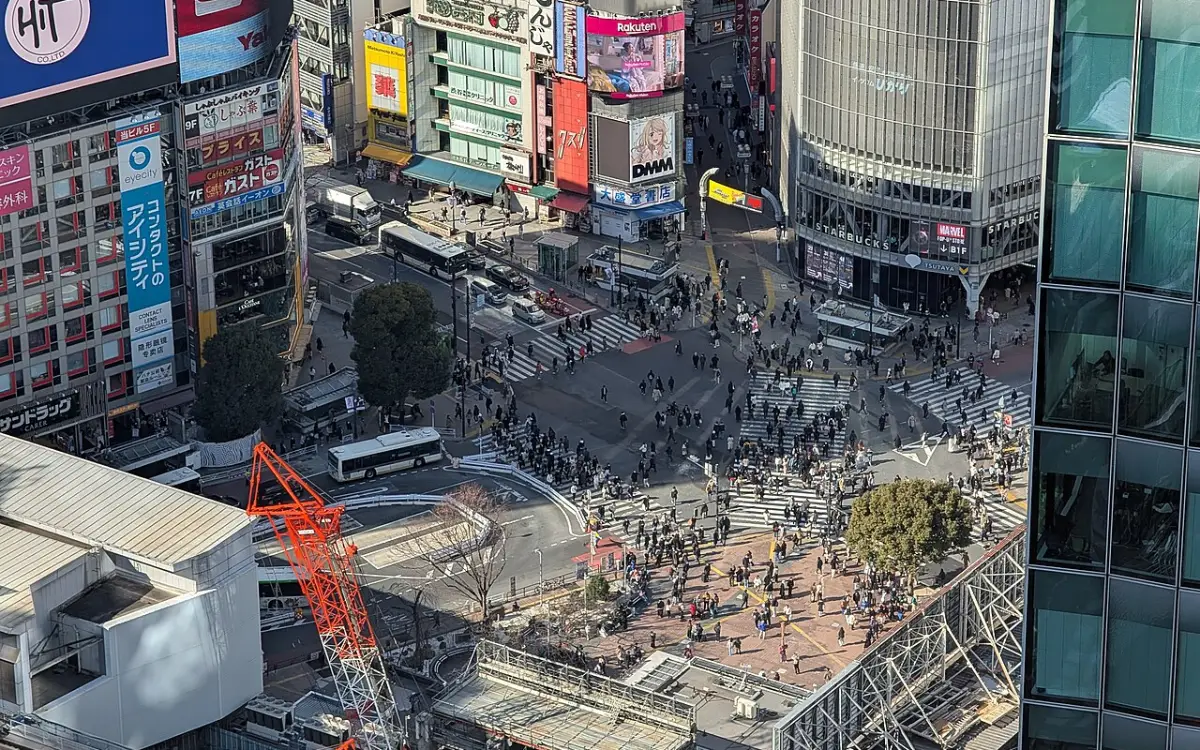
Japan might be the easiest country in the world to travel alone. It is very safe, trains run like clockwork, and eating on your own is completely normal. Here is how to plan a solo trip, what it costs and where to go.
This post contains affiliate links. We may earn a commission if you book through them. How we make money.
Quick answer
Japan is one of the safest destinations for solo travelers, including women traveling alone; normal big-city care is enough. Budget roughly ¥10,000 to ¥15,000 a day on a backpacker budget and ¥20,000 to ¥35,000 mid-range, plus long-distance trains. Business hotels, capsule hotels and hostels all have single rooms or beds without a surcharge. Counter restaurants, ramen shops and conveyor-belt sushi make solo dining easy. For a first trip, combine Tokyo, Kyoto and Osaka, then add a smaller place such as Kanazawa, Hiroshima or the Nakasendo trail.
Why Japan works so well alone
Many things about everyday life in Japan suit a solo traveler. Crime is low and lost wallets often come back. Public transport is frequent, punctual and signposted in English. Many Japanese people eat, drink and travel alone, so a table for one never feels odd. Convenience stores open 24 hours sell good, cheap food. And because so much is self-service, from ticket machines to ramen shop vending machines, you can get by with very little Japanese.
The flip side is that Japan can feel reserved. Strangers rarely start conversations, so if you want company, choose social hostels, food tours, walking tours or a cooking class.
Safety tips
- General care: keep valuables close in crowded places and do not leave drinks unattended, as you would anywhere.
- Nightlife areas: in Tokyo’s Kabukicho and Roppongi, ignore touts who invite you into bars; overcharging scams target tourists.
- Women-only cars: many rush-hour trains in Tokyo and Osaka have women-only carriages, marked on the platform.
- Natural hazards: earthquakes and typhoons are the real risks. Install the Safety Tips app from the Japan Tourism Agency for alerts in English, and follow staff instructions.
- Emergencies: dial 110 for police and 119 for fire or ambulance. Police boxes (koban) are everywhere and helpful with directions.
- Hiking alone: tell your hotel your route, carry water and a power bank, and check bear warnings in rural areas.
Solo daily costs
Traveling alone means you pay the full room price yourself, but Japan has plenty of single-occupancy options, so solo travel costs less of a premium than in many countries.
| Item | Budget | Mid-range |
|---|---|---|
| Bed or room | ¥3,500–6,000 (hostel or capsule) | ¥9,000–18,000 (business or boutique hotel) |
| Food | ¥2,500–4,000 | ¥5,000–9,000 |
| Local transport | ¥800–1,500 | ¥1,000–2,000 |
| Sights and activities | ¥1,000–2,500 | ¥2,500–6,000 |
| Daily total | About ¥10,000–15,000 | About ¥20,000–35,000 |
Add Shinkansen and other long-distance fares; Tokyo to Kyoto costs around ¥14,000 one way. See our Japan trip cost guide and whether the JR Pass is worth it.
Where to sleep
Business hotels such as the big national chains offer compact single rooms with a private bathroom, often near stations, at fair prices. They are the solo traveler’s best friend.
Capsule hotels give you a private pod, shared bathrooms and often a lounge or bath, for less than a hotel room. Many have women-only floors.
Hostels are clean, well run and social, with dorms and private rooms, and are the easiest place to meet other travelers.
Ryokan (traditional inns) often price per person but may charge more for one guest, and some do not take single bookings on busy nights. Search with one guest from the start to see real prices.
Find a solo-friendly room
Compare single rooms, capsule hotels and hostels in Tokyo, Kyoto and Osaka.
Eating alone
Solo dining is part of Japanese culture.
- Ramen shops: order at a ticket machine and sit at the counter. Some chains even have individual booths.
- Conveyor-belt sushi: order from a tablet; cheap and fun.
- Set-meal chains: teishoku and gyudon restaurants serve full meals in minutes.
- Izakaya and standing bars: counter seats are perfect for one, and the staff may chat.
- Department store food halls and convenience stores: excellent bento and onigiri for picnics or train rides.
- Omakase sushi: many high-end counters take single diners, and a solo seat is often easier to book than a pair.
Best places for solo travelers
| Place | Why it suits solo travel |
|---|---|
| Tokyo | Endless neighborhoods to explore, great public transport, many solo-friendly bars and cafés |
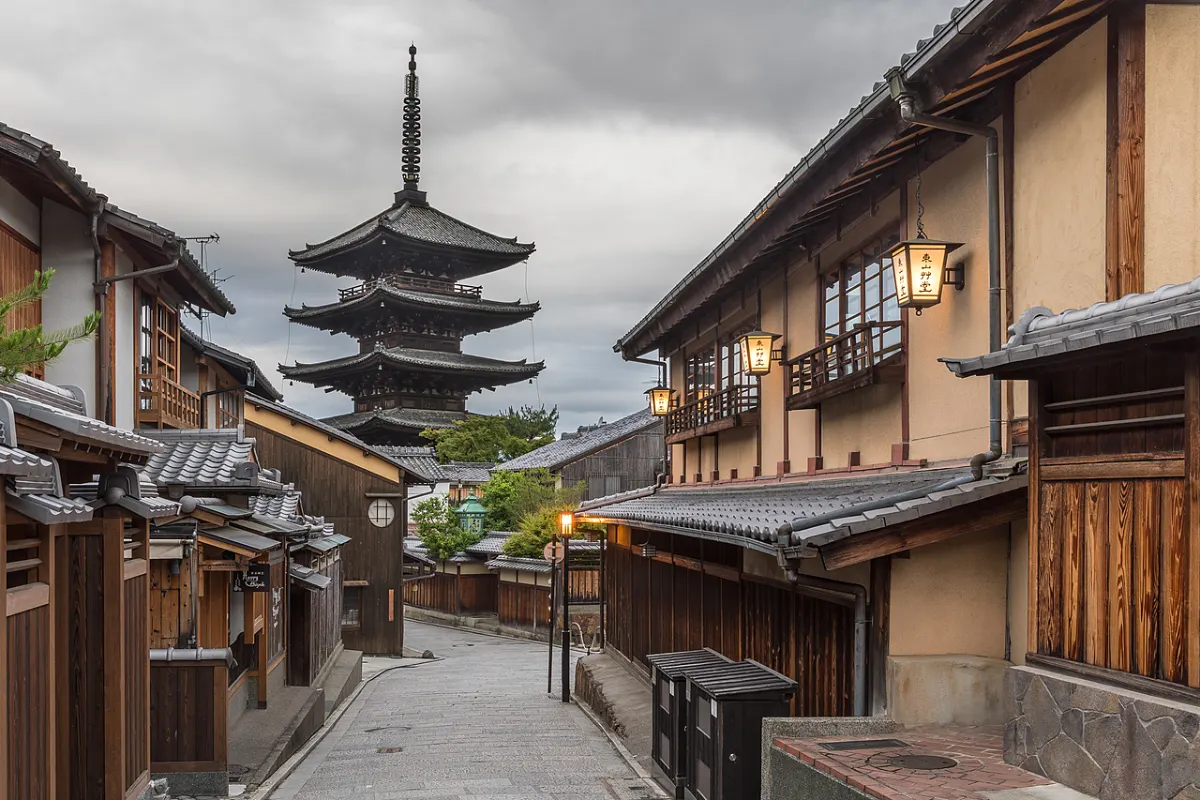
| Kyoto | Temples and walks you can enjoy at your own pace; go early to beat crowds |
| Osaka | Friendly, outgoing city with the best street food |
| Kanazawa | Compact, walkable city with gardens, samurai and geisha districts |
| Hiroshima and Miyajima | Moving history and an easy island day trip |
| Nakasendo trail (Magome–Tsumago) | A well-marked half-day walk between old post towns |
| Kumano Kodo | Pilgrim trails with inns that welcome walkers |
Practical tips
- Stay connected: an eSIM keeps maps and translation running all day. See our Japan eSIM guide.
- Pay easily: load a transport IC card such as Suica on your phone or get a Welcome Suica.
- Travel light: send big bags ahead with a luggage delivery service and use coin lockers at stations.
- Meet people: book a food tour in Osaka or a walking tour in Kyoto, or stay in social hostels.
- Get insured: medical care is excellent but expensive without insurance.
Stay online from day one
Compare Japan eSIMs with unlimited or high data allowances.
Many travelers who go to Japan alone say it was the trip that made them love solo travel. You can follow your curiosity all day, eat whatever you like, and never feel out of place doing it.
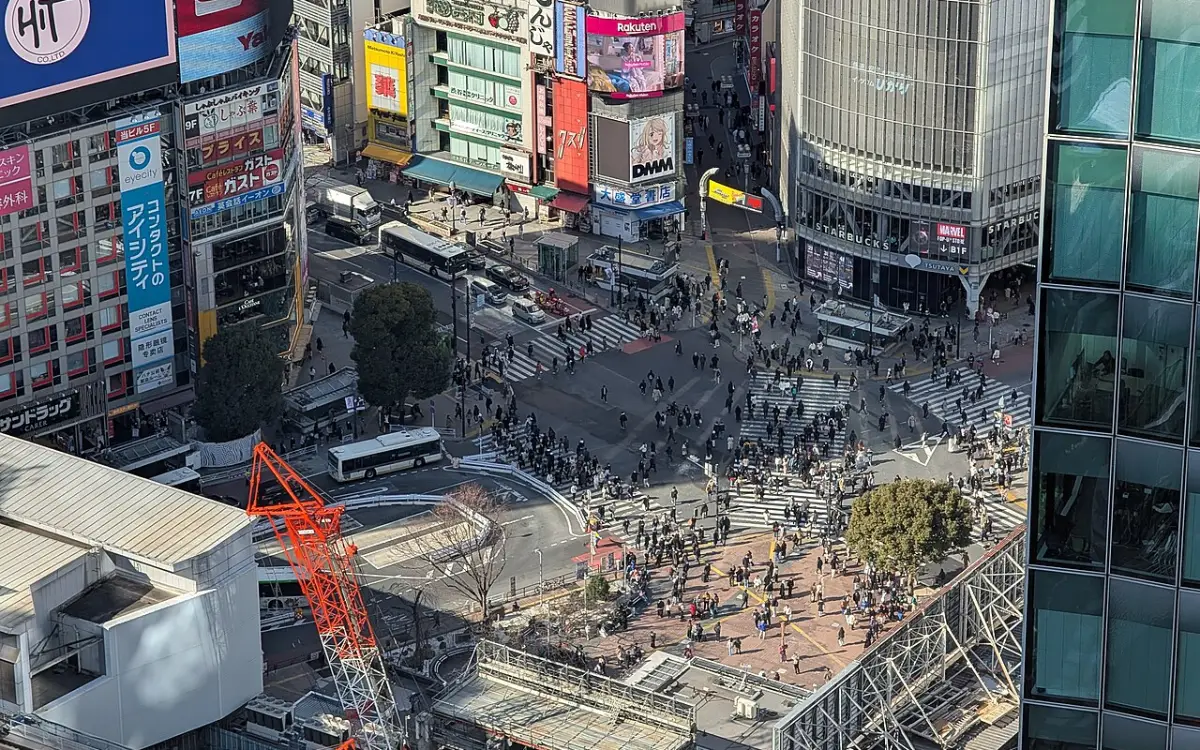
Photo: Shibuya crossing by Syced, CC0, via Wikimedia Commons.
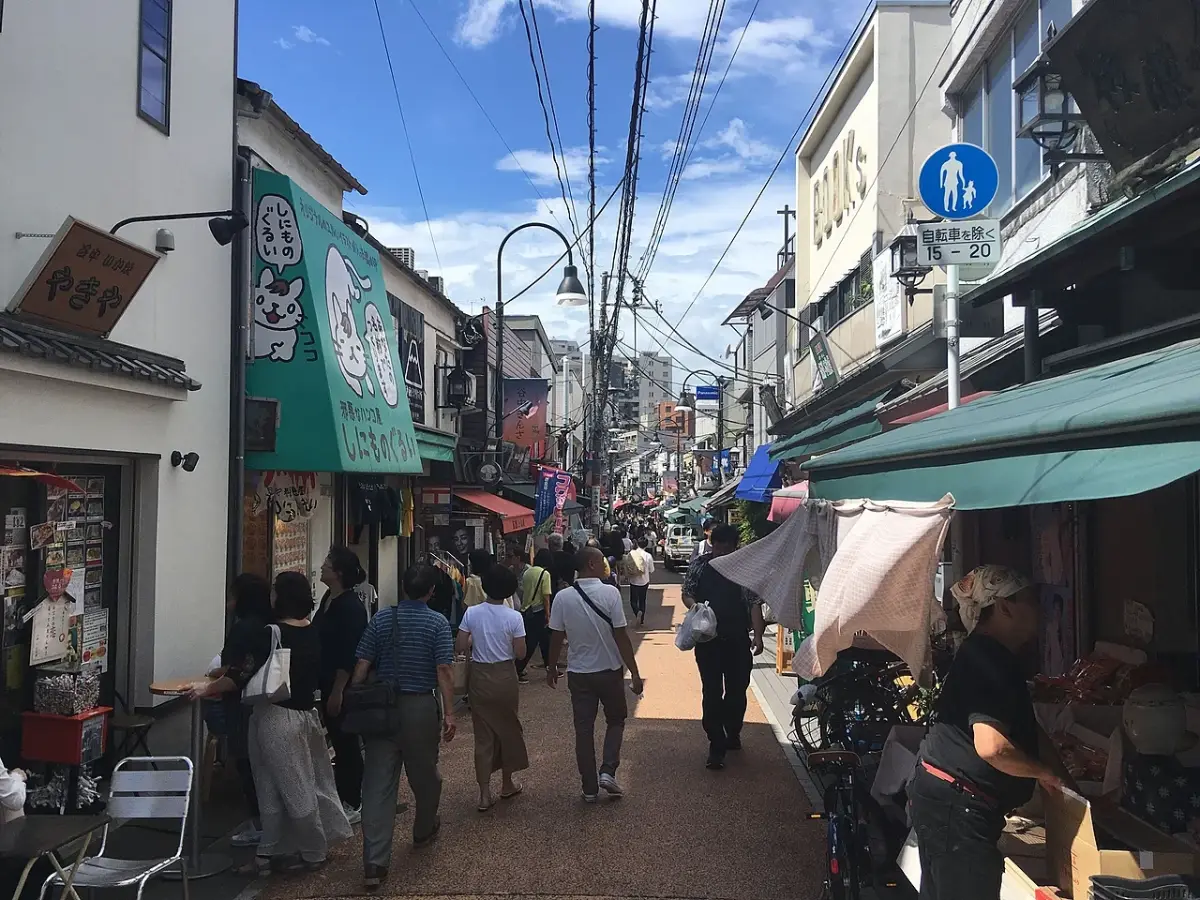
More photos: Yanaka Ginza by Christophe95, CC BY-SA 4.0; Yasaka-dori early morning, Kyoto by Basile Morin, CC BY-SA 4.0. Via Wikimedia Commons.