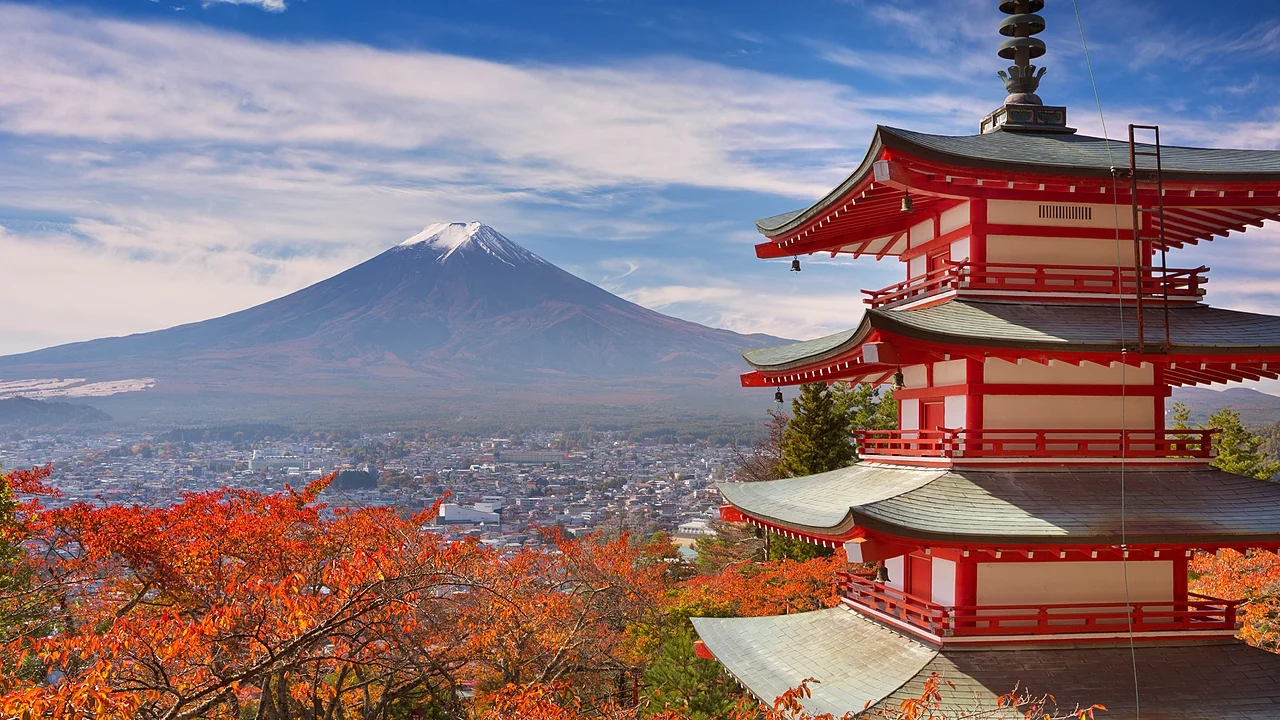
Ten days lets you see Japan’s big cities without rushing, and add the mountains, a hot spring and Hiroshima. This is the route we would give a friend on their first trip.
This post contains affiliate links. We may earn a commission if you book through them. How we make money.
Quick answer
Spend four nights in Tokyo (with a day trip to Mt Fuji or Nikko), one night in a Hakone ryokan, three nights in Kyoto, and two in Osaka with a day trip to Hiroshima and Miyajima. Fly into Tokyo and out of Osaka’s Kansai Airport.
The route at a glance
| Days | Base | Highlights |
|---|---|---|
| 1–4 | Tokyo (4 nights) | Shibuya, Asakusa, Shinjuku, Mt Fuji or Nikko day trip |
| 5 | Hakone (1 night) | Open-Air Museum, ropeway, lake cruise, onsen ryokan |
| 6–8 | Kyoto (3 nights) | Fushimi Inari, Arashiyama, Gion, Nara |
| 9–10 | Osaka (2 nights) | Dotonbori, Hiroshima and Miyajima day trip |
The route moves in one direction, from east to west, so you never waste time going back. Each hotel change is a short train ride, and you have at least two nights almost everywhere.
Days 1–4: Tokyo
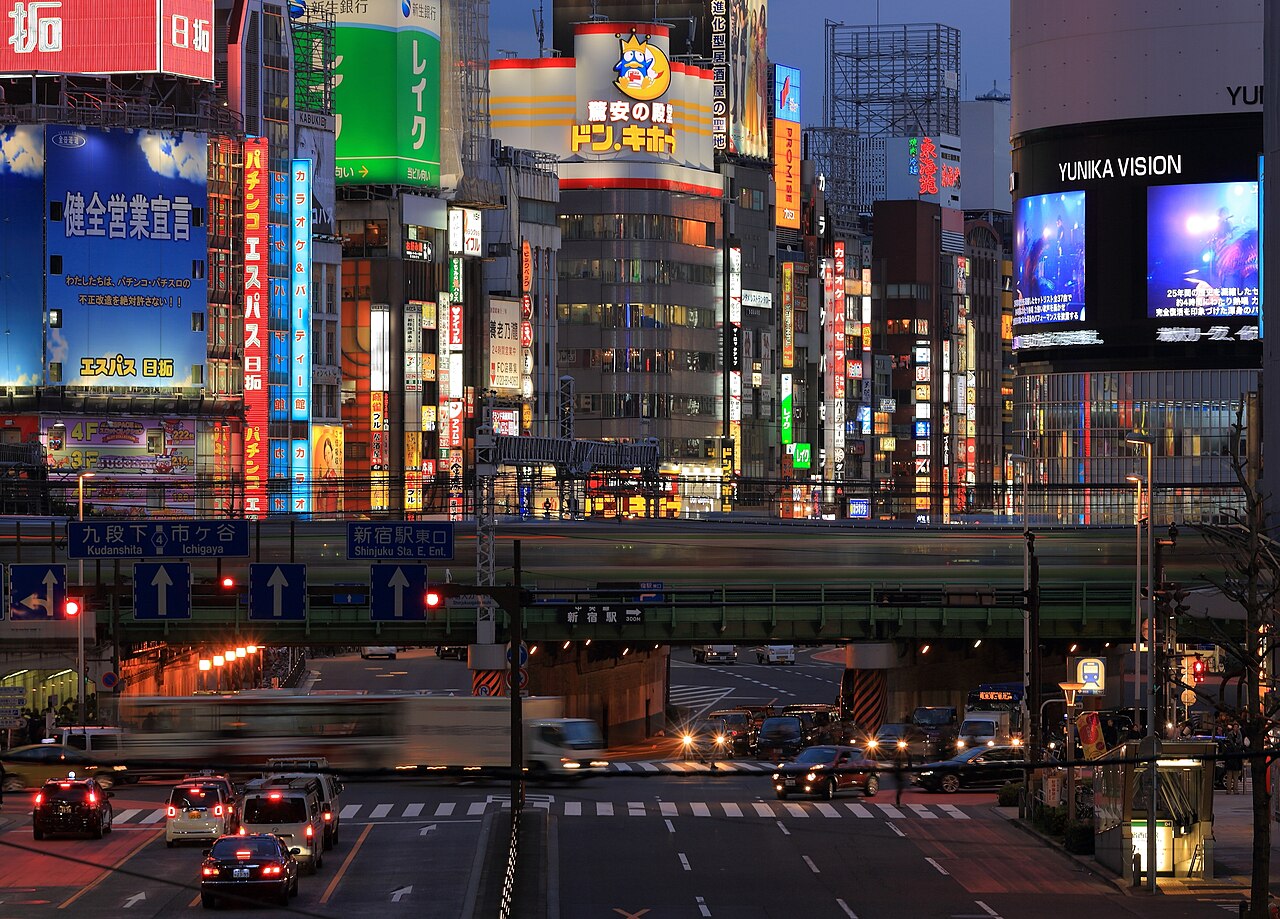
Day 1, arrival: settle in and get an IC card (Suica or PASMO, or Suica in your phone wallet). If you have energy, see the Shinjuku skyline from the free Tokyo Metropolitan Government Building observatory and eat in Omoide Yokocho.
Day 2, west Tokyo: Meiji Shrine, Harajuku’s Takeshita Street, Omotesando and Shibuya Crossing. Book Shibuya Sky for sunset.
Day 3, east Tokyo: Senso-ji in Asakusa early, then Ueno Park, Akihabara and an evening at teamLab Planets or Tokyo Skytree.
Day 4, day trip: choose between Mt Fuji and Lake Kawaguchiko (best on a clear day, late autumn to early spring) or Nikko, with its ornate shrines in the cedar forest. Kamakura, with its giant Buddha and seaside temples, is a shorter alternative.
Day 5: Hakone
Send your big bags ahead to your Kyoto hotel with a luggage forwarding service, then take the Odakyu Romancecar from Shinjuku to Hakone-Yumoto (about 85 minutes). The Hakone Free Pass covers the classic loop: the mountain railway, the Hakone Open-Air Museum, the cable car and ropeway over the steaming Owakudani valley, and a pirate-ship cruise on Lake Ashi with views of Mt Fuji on clear days.
Spend the night in a ryokan with an onsen. Dinner and breakfast are usually included, and an evening soak is the perfect break in the middle of the trip. Rooms with a private open-air bath cost more but are worth it for couples or anyone shy about public baths.
Days 6–8: Kyoto and Nara
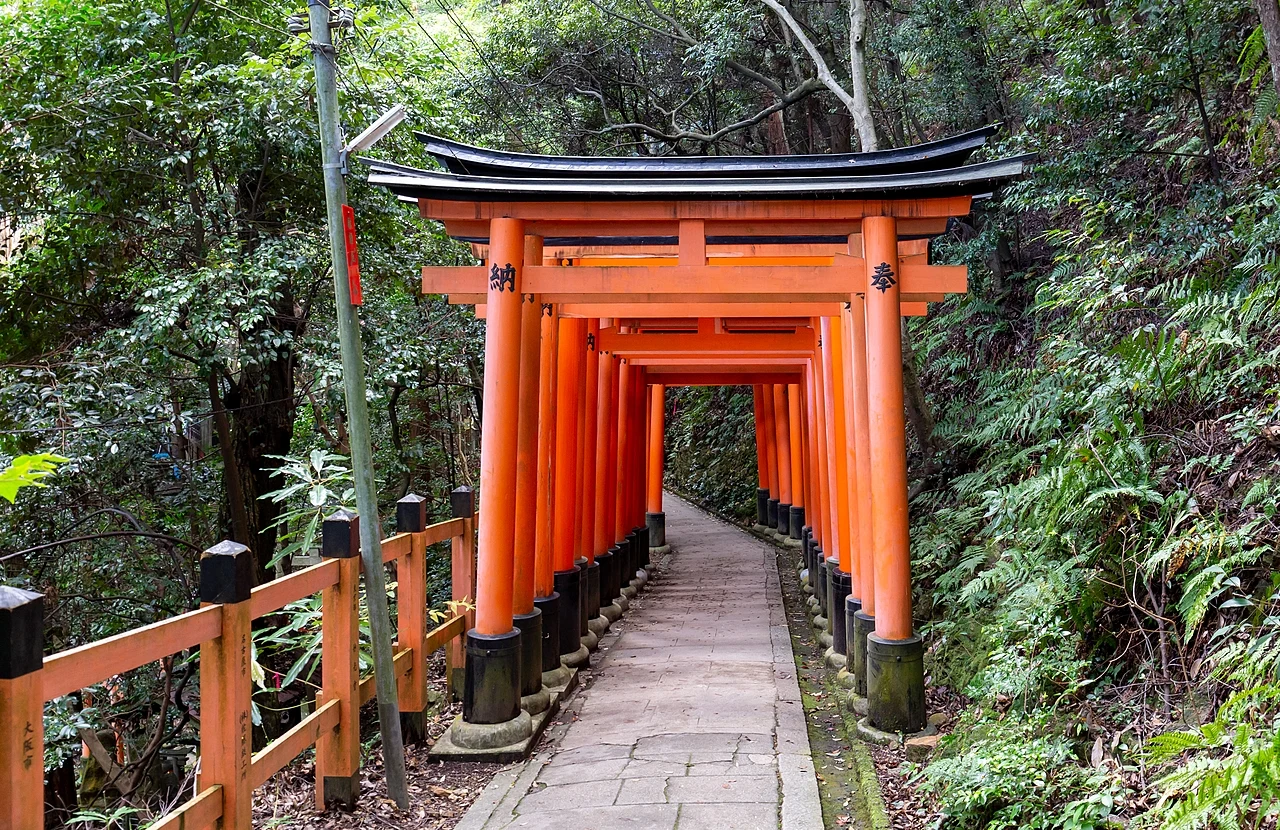
Day 6: take a bus or train to Odawara and the Shinkansen to Kyoto (about two hours). In the afternoon, climb through the torii gates of Fushimi Inari, then walk through Gion at dusk.
Day 7: Arashiyama Bamboo Grove at 8 am, Tenryu-ji garden and the Togetsukyo Bridge. In the afternoon, visit Kinkaku-ji, the Golden Pavilion, and Ryoan-ji’s rock garden.
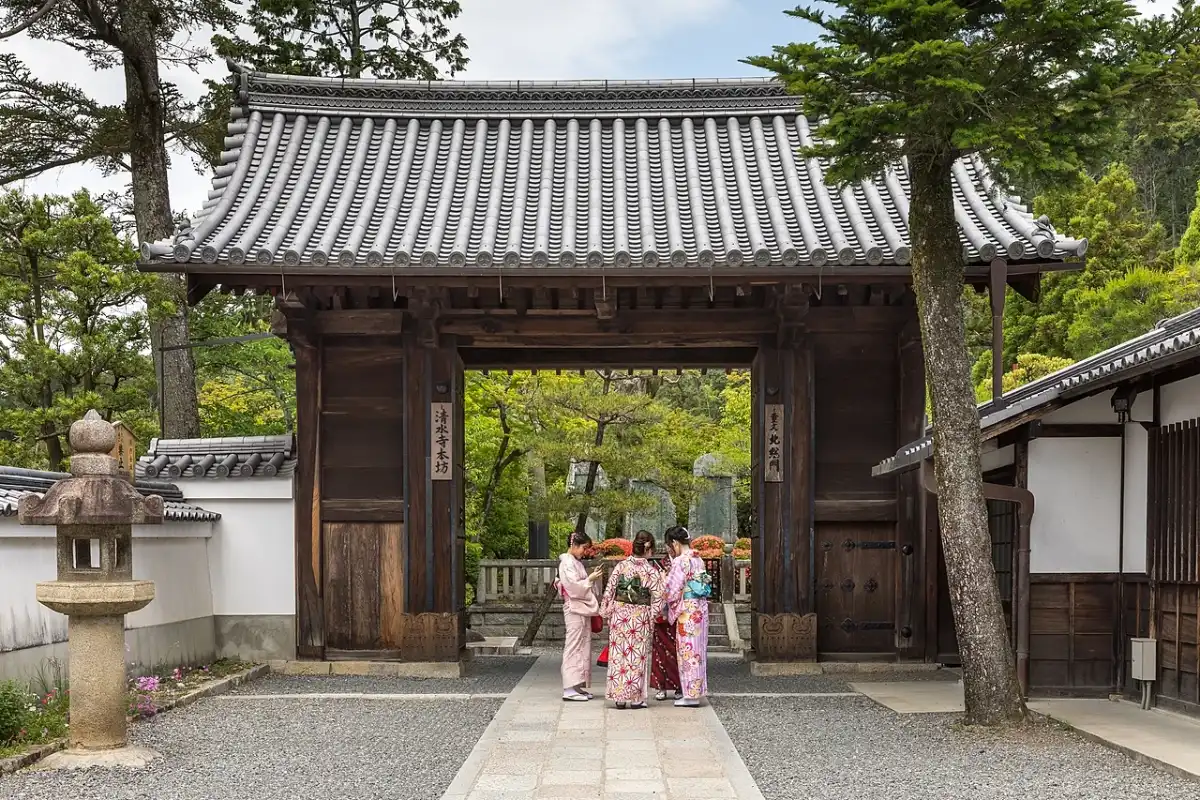
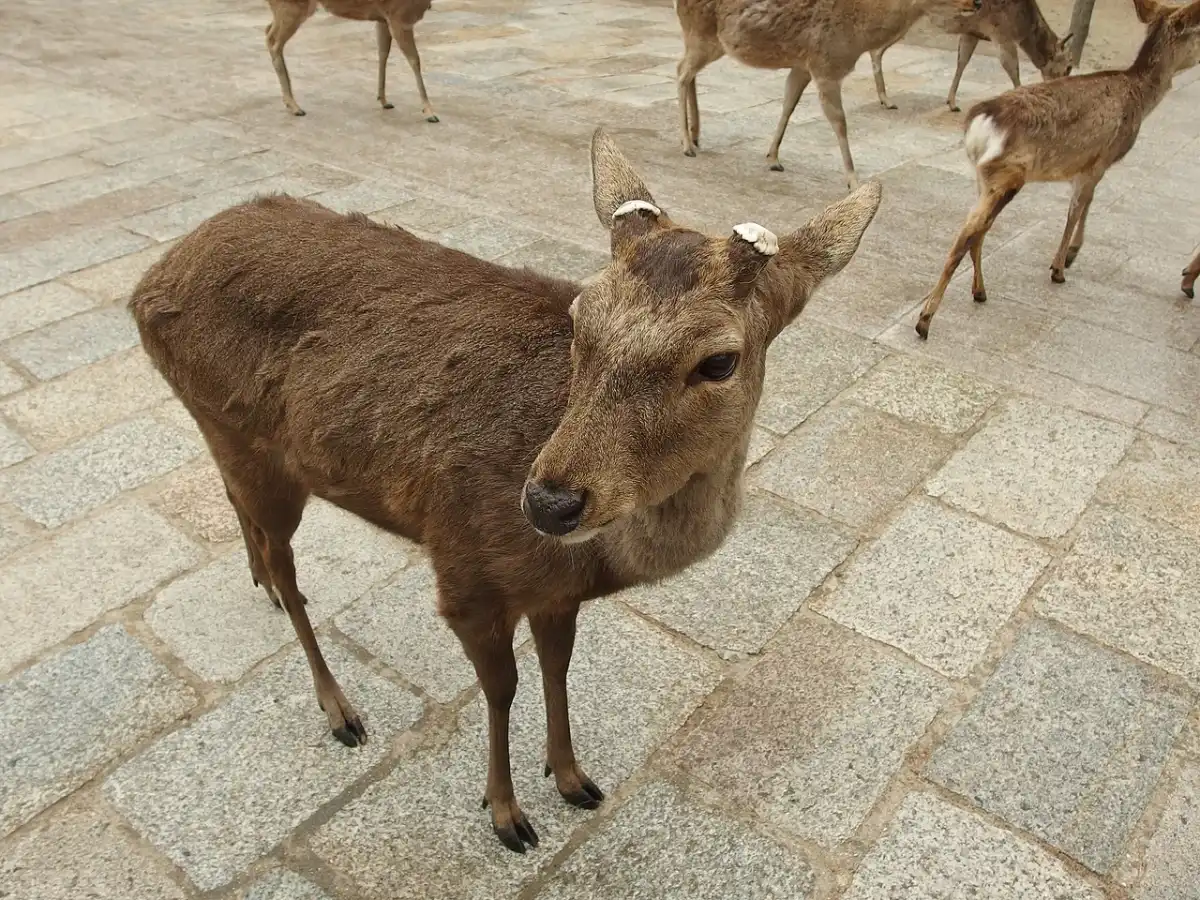
Day 8: half a day in Nara for the deer and the great Buddha at Todai-ji, then return for Kiyomizu-dera and the old lanes of Sannenzaka and Ninenzaka at sunset.
Days 9–10: Osaka and Hiroshima
Day 9: move to Osaka, only 15 to 30 minutes from Kyoto. Visit Osaka Castle, then spend the evening eating your way through Dotonbori and Shinsekai: takoyaki, okonomiyaki and kushikatsu.
Day 10: take an early Shinkansen to Hiroshima (about 1 hour 20 minutes). Visit the Peace Memorial Park and Museum, which deserve at least two hours, then take the train and JR ferry to Miyajima to see the “floating” torii gate of Itsukushima Shrine. Visitors to Miyajima pay a small entry tax. Return to Osaka in the evening.
Your flight home leaves from Kansai Airport, about 40 to 75 minutes from central Osaka on the Haruka express or Nankai line.
Getting around
| Journey | Time | Approx. fare |
|---|---|---|
| Shinjuku → Hakone-Yumoto (Romancecar) | 85 min | ¥2,500 |
| Odawara → Kyoto (Shinkansen) | 2 hr | ¥12,000 |
| Kyoto → Osaka (JR Special Rapid) | 30 min | ¥580 |
| Osaka → Hiroshima return (Shinkansen) | 2 × 80 min | ¥21,000 |
All in, long-distance trains cost around ¥40,000 including the Hakone Free Pass. That is less than the ¥50,000 to ¥53,000 for a 7-day JR Pass, which would also not cover the Romancecar or Hakone’s private lines, so single tickets are the better choice for this route.
Want to double-check?
See our itinerary-by-itinerary breakdown of the JR Pass.
Best time for this route
Spring (late March to mid-April) and autumn (late October to early December) are the most beautiful seasons, with cherry blossoms or red maple leaves in Kyoto and Hakone. They are also the busiest and most expensive, so book hotels three to six months ahead.
May (after Golden Week) and early June are pleasant and less crowded. July and August are hot and humid, often above 33°C in Kyoto and Osaka, but good for festivals. Winter, from December to February, has clear skies and the best views of Mt Fuji, and hotel prices are lower outside the New Year holidays. Try to avoid Golden Week (around April 29 to May 5) and the New Year week, when trains and hotels are packed with domestic travelers.
Variations
- Prefer cities to nature? Replace Hakone with an extra day in Tokyo and go straight to Kyoto.
- Traveling with kids? Swap the Hiroshima day for Universal Studios Japan in Osaka.
- Visiting in winter? Swap Hakone for Kanazawa and Shirakawa-go, then continue to Kyoto via the Hokuriku Shinkansen and Thunderbird express.
- Want it slower? Drop Nara and the Hiroshima day trip and give that time to Kyoto’s quieter temples, such as Tofuku-ji and Daitoku-ji.
Ten days goes quickly. If you can, avoid adding more destinations; an extra free afternoon in Kyoto or Tokyo will do more for your trip than another city.
Photos: Chureito Pagoda and Mt Fuji by Dang Son, CC0; Shinjuku at night by Martin Falbisoner, CC BY-SA 3.0; Fushimi Inari torii gates by Balon Greyjoy, CC0. All via Wikimedia Commons.
More photos: Yukata at the North Gate of Kiyomizu-dera by Basile Morin, CC BY-SA 4.0; Deer @ Todai-ji Temple @ Nara by Guilhem Vellut, CC BY 2.0. Via Wikimedia Commons.