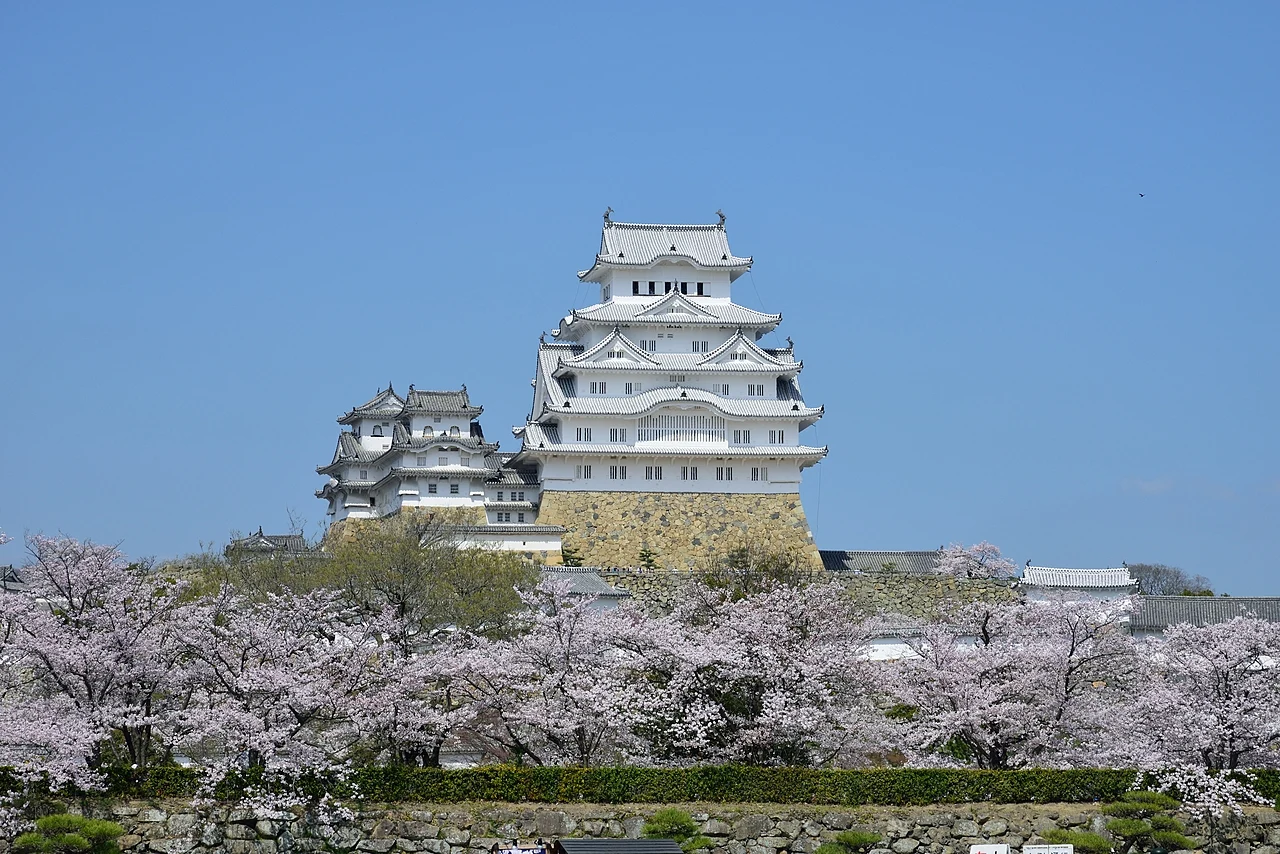
Two weeks is the sweet spot for a first trip to Japan. You can see the classic cities at a relaxed pace and still have time for hot springs, the Japanese Alps and Hiroshima.
This post contains affiliate links. We may earn a commission if you book through them. How we make money.
Quick answer
Spend five nights in Tokyo, one in Hakone, two in Kanazawa, four in Kyoto and two in Hiroshima or Osaka. Fly into Tokyo and out of Osaka. This route covers enough distance that a 14-day JR Pass is close to break-even, so compare it with single tickets before you buy.
The route at a glance
| Days | Base | Highlights |
|---|---|---|
| 1–5 | Tokyo (5 nights) | Shibuya, Asakusa, Shinjuku, teamLab, Nikko or Mt Fuji day trip |
| 6 | Hakone (1 night) | Ropeway, Lake Ashi, onsen ryokan |
| 7–8 | Kanazawa (2 nights) | Kenroku-en garden, geisha district, Shirakawa-go |
| 9–12 | Kyoto (4 nights) | Fushimi Inari, Arashiyama, Gion, Nara, Uji |
| 13–14 | Hiroshima / Osaka (2 nights) | Peace Park, Miyajima, Dotonbori |
The route moves steadily west, so you never double back. If you prefer fewer hotel changes, skip Kanazawa and add those two nights to Kyoto; the trip becomes slower and simpler.
Days 1–5: Tokyo and a day trip
Five nights sounds like a lot, but Tokyo is huge and you will want at least one day trip. A good split:
- Day 1: arrive, get a Suica card, and spend the evening in Shinjuku’s Omoide Yokocho.
- Day 2: Meiji Shrine, Harajuku, Omotesando and Shibuya Crossing, with sunset at Shibuya Sky.
- Day 3: Senso-ji in Asakusa early, Ueno Park, then Akihabara or the Sumida River.
- Day 4: Tsukiji Outer Market for breakfast, Ginza, the Imperial Palace East Gardens and teamLab Planets in the evening.
- Day 5: day trip to Nikko’s shrines, Kamakura’s giant Buddha, or Mt Fuji and Lake Kawaguchiko.
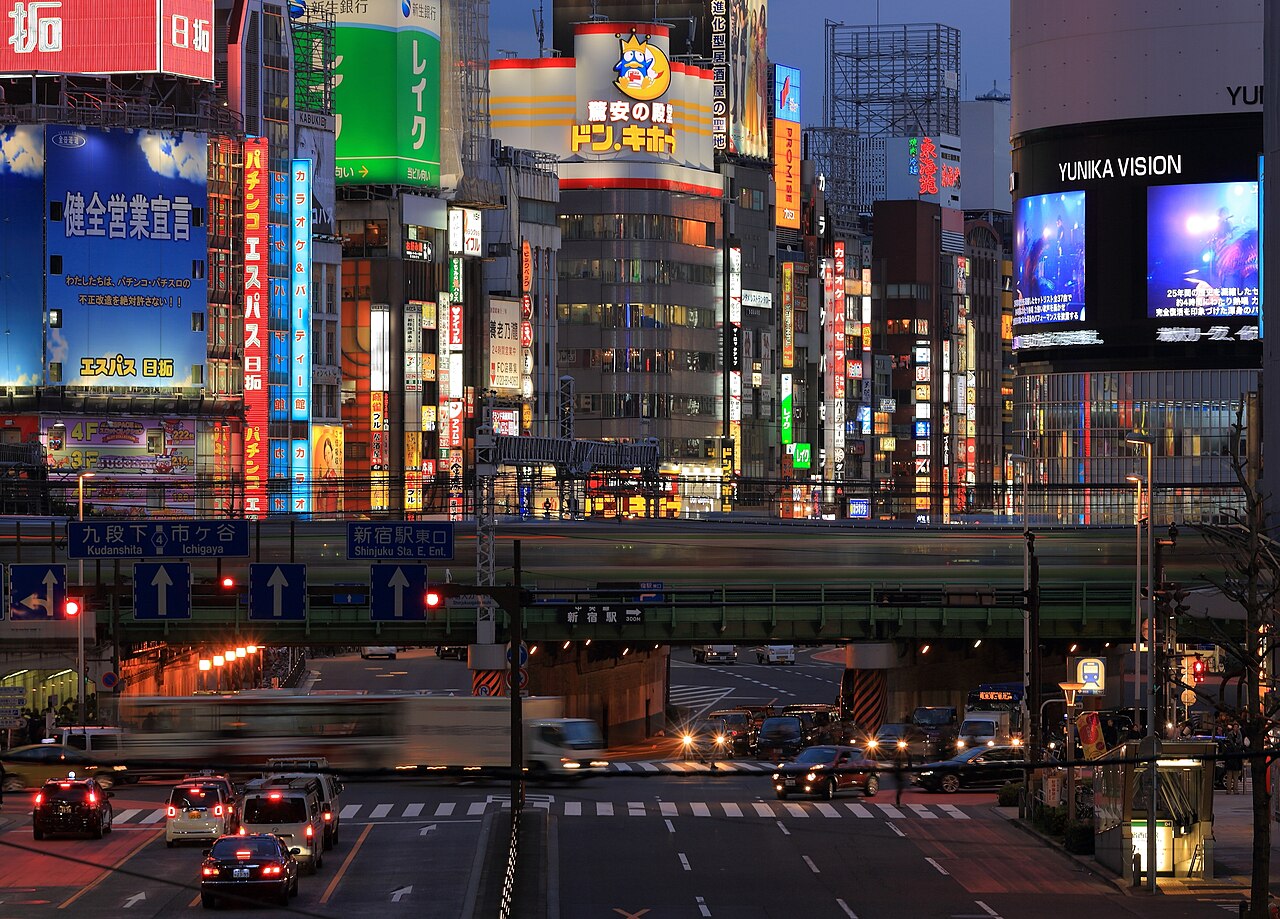
Choosing a Tokyo base?
We compare Shinjuku, Shibuya, Ginza and Asakusa for a first trip.
Day 6: Hakone
Forward your big luggage to your Kanazawa or Kyoto hotel, then take the Romancecar from Shinjuku to Hakone-Yumoto. Follow the classic loop with the Hakone Free Pass: mountain railway, Open-Air Museum, cable car and ropeway over the volcanic Owakudani valley, then a boat across Lake Ashi with Mt Fuji in the background on clear days. Spend the night in a ryokan with dinner, breakfast and an onsen bath.
Days 7–8: Kanazawa and Shirakawa-go
From Hakone, return to Odawara and take the Shinkansen back toward Tokyo, then the Hokuriku Shinkansen to Kanazawa, about 2.5 hours from Tokyo. Kanazawa has one of Japan’s three great gardens, Kenroku-en, a well-preserved geisha district (Higashi Chaya), samurai houses and the Omicho fish market, where seafood rice bowls are a must.
On day 8, take a bus to Shirakawa-go (about 75 minutes), a UNESCO-listed village of steep thatched farmhouses. Book bus seats in advance, especially in winter, when the village is lit up on selected evenings and snow covers the roofs.
Days 9–12: Kyoto and Nara
The Hokuriku Shinkansen now runs to Tsuruga, where you change to the Thunderbird limited express for Kyoto; the trip takes about 2 hours 10 minutes. Four nights in Kyoto gives you time to slow down:
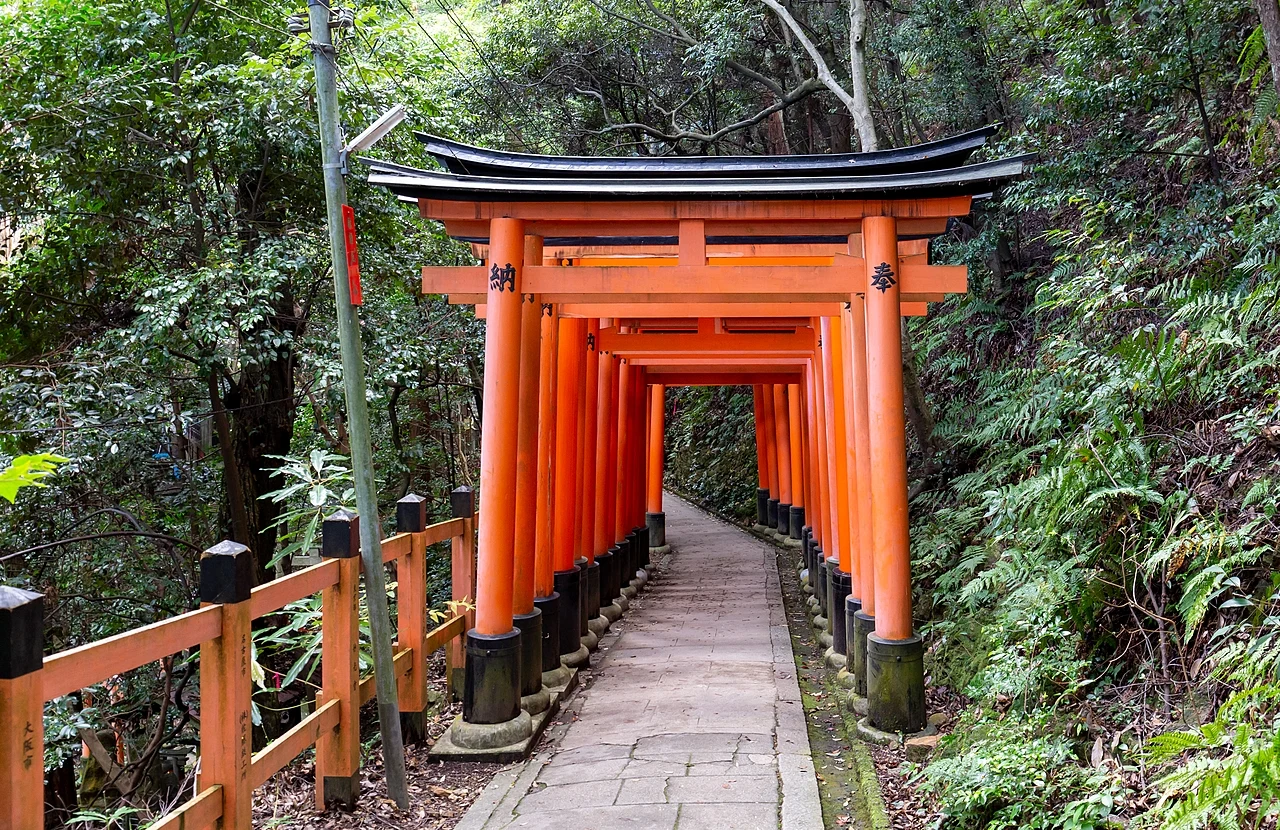
- Day 9: arrive, then Fushimi Inari in the late afternoon and dinner in Pontocho.
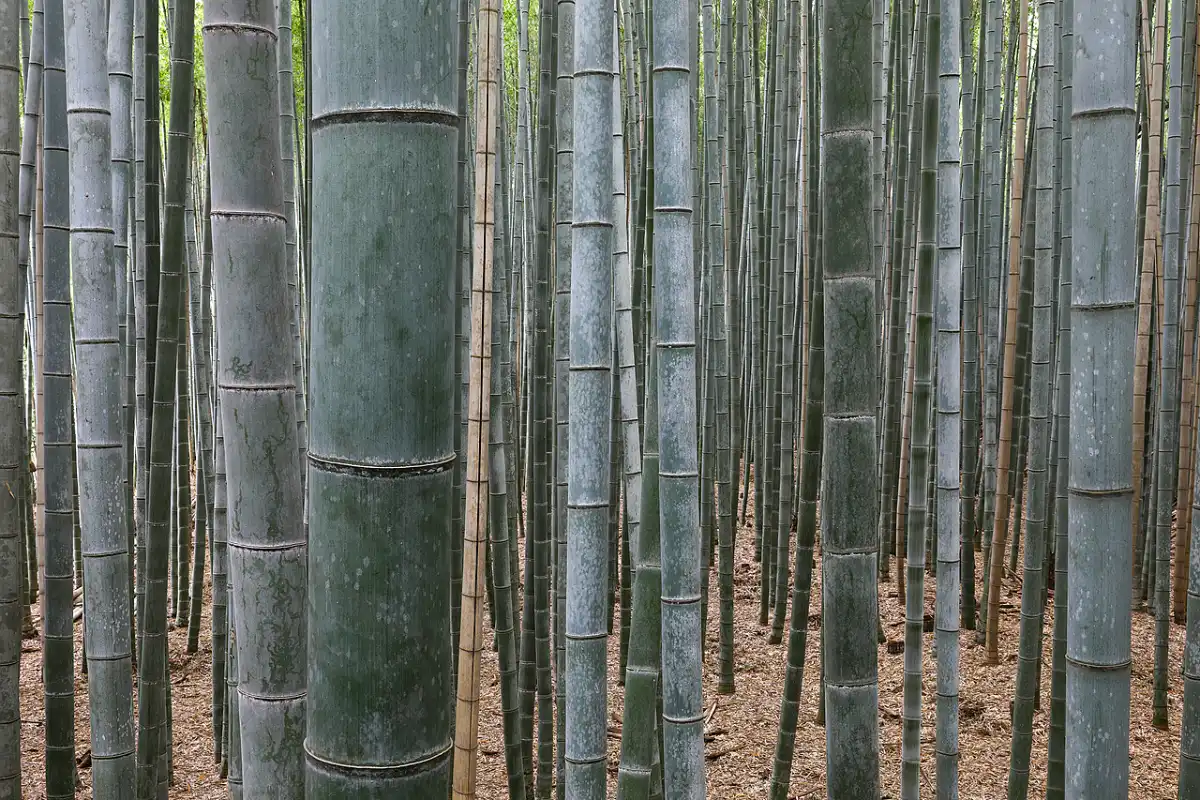
- Day 10: Arashiyama bamboo grove at 8 am, Tenryu-ji, then Kinkaku-ji and Ryoan-ji.
- Day 11: Nara’s deer park, Todai-ji and Kasuga Taisha, with a stop in Uji for matcha and Byodo-in on the way back.
- Day 12: Kiyomizu-dera, Sannenzaka and Ninenzaka early, the Philosopher’s Path, Ginkaku-ji and an evening in Gion.
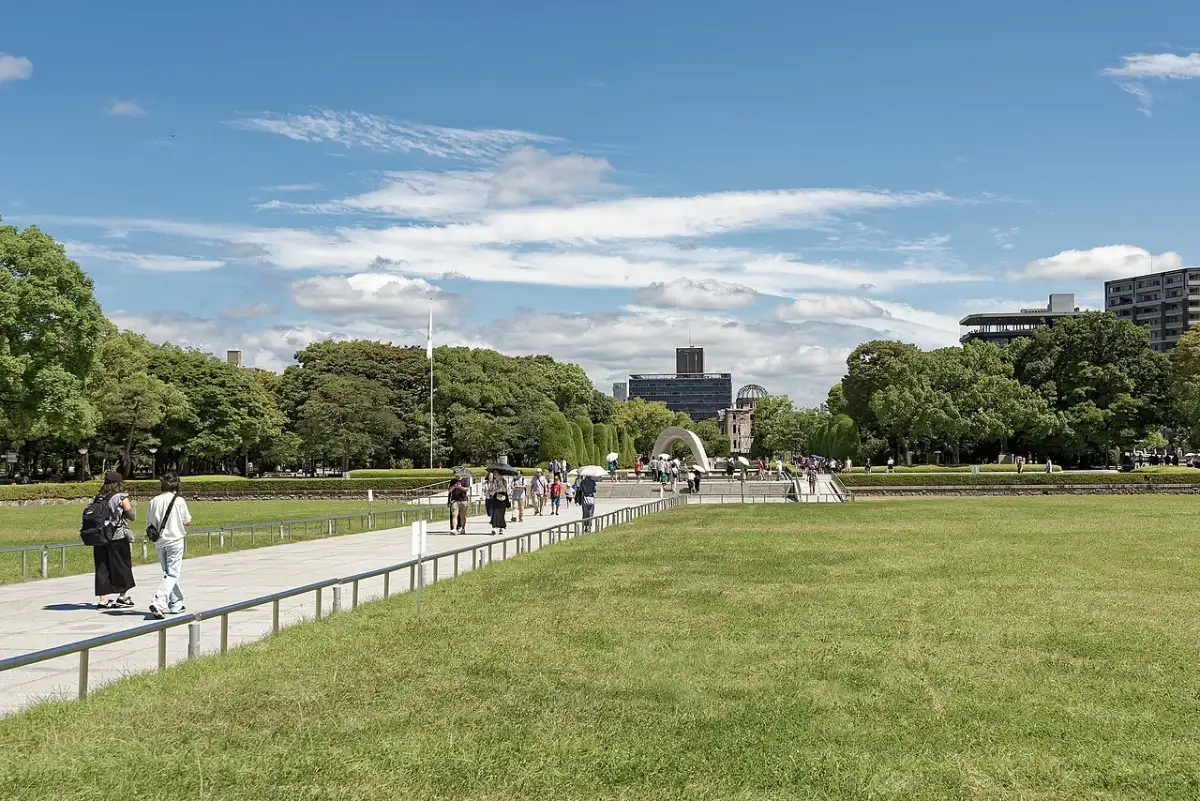
Days 13–14: Hiroshima, Miyajima and Osaka
Day 13: take the Shinkansen to Hiroshima (about 1 hour 40 minutes from Kyoto). Spend the morning at the Peace Memorial Park and Museum, then take the train and JR ferry to Miyajima. Stay overnight on the island if you can: once the day-trippers leave, the “floating” torii gate and the deer-filled streets are magical. Visitors to Miyajima pay a small entry tax.
Day 14: return east to Osaka (about 1 hour 20 minutes). Visit Osaka Castle, then end the trip with a street-food crawl through Dotonbori and Shinsekai. Kansai Airport is about an hour away for your flight home, or spend a final night in Osaka if your flight is the next morning.
Trains and the JR Pass
| Journey | Approx. fare | Covered by JR Pass? |
|---|---|---|
| Tokyo → Nikko return (day trip) | ¥5,500–¥9,000 | Yes, via JR lines |
| Shinjuku → Hakone + Free Pass | About ¥7,500 | No |
| Odawara → Kanazawa (via Tokyo) | About ¥17,000 | Yes |
| Kanazawa → Kyoto | About ¥7,800 | Yes |
| Kyoto → Hiroshima | About ¥11,500 | Yes |
| Hiroshima → Osaka | About ¥10,500 | Yes |
| Kyoto → Nara and Uji, Miyajima ferry | About ¥2,500 | Mostly yes (JR) |
JR-covered fares on this route add up to roughly ¥55,000 to ¥60,000, below the ¥80,000 to ¥84,000 price of a 14-day pass. A 7-day pass (¥50,000 to ¥53,000) activated on Day 7 covers Kanazawa, Kyoto day trips and Hiroshima, but the JR legs in that window cost only about ¥32,000, so single tickets still win. If you add a long detour, such as Tohoku or Kyushu, run the numbers again in our JR Pass guide.
Budget
For two people sharing mid-range hotels, expect roughly $2,500 to $3,200 per person for two weeks, excluding international flights. That includes one ryokan night with dinner, about ¥60,000 in train fares and mid-range food. See our full Japan trip cost breakdown for budget and luxury versions.
Tips for a smooth trip
- Use luggage forwarding on the Tokyo to Kanazawa and Kanazawa to Kyoto legs. Travelling with a small bag makes Hakone and Shirakawa-go far easier.
- Book these ahead: Shibuya Sky, teamLab, the Shirakawa-go bus, ryokan in Hakone and Miyajima, and hotels in cherry blossom or autumn season.
- Get an eSIM so you have maps and train times everywhere.
- Leave one empty afternoon in Kyoto. It is the easiest way to absorb jet lag, bad weather or a sight you want to revisit.
Photos: Himeji Castle by Seattleite7, CC BY-SA 4.0; Shinjuku at night by Martin Falbisoner, CC BY-SA 3.0; Fushimi Inari torii gates by Balon Greyjoy, CC0. All via Wikimedia Commons.
More photos: Bamboo Forest, Arashiyama by Basile Morin, CC BY-SA 4.0; Hiroshima Peace Memorial Park by Jakub Hałun, CC BY 4.0. Via Wikimedia Commons.