These three districts are where most first-time visitors end up choosing between. All three are safe, central and well connected. The differences are in price, noise, nightlife and how easily you can leave the city.
This post contains affiliate links. We may earn a commission if you book through them. How we make money.
Quick answer
Choose Shinjuku for the best value, the most hotels and direct trains to Hakone, Mt Fuji and Narita. Choose Shibuya for style, shopping and a younger crowd, if you can pay a little more. Choose Ginza for calm streets, upscale hotels and a short walk to Tokyo Station’s Shinkansen. If you cannot decide, Shinjuku is the safest default.
Side-by-side comparison
| Factor | Shinjuku | Shibuya | Ginza |
|---|---|---|---|
| Mid-range double, per night | $130–$250 | $150–$280 | $160–$300 |
| Hotel choice | Huge, every budget | Good, mostly mid to high | Good, mid to luxury |
| Train links | Best in Tokyo | Very good | Very good, plus Shinkansen |
| To Narita / Haneda | Narita Express / bus | Narita Express / bus | Bus or train via Tokyo Station |
| Nightlife | Excellent, late | Excellent, younger | Quiet after 9 pm |
| Noise and crowds | High near the station | High near the crossing | Low |
| Best for | First-timers, day trips | Shoppers, couples, teens | Couples, families, early trains |
Prices are typical for a well-reviewed double room outside cherry blossom and autumn peak seasons and are a guide only. All three areas are among the safest big-city districts in the world.
Transport and day trips
Shinjuku is the busiest station on earth for a reason. The JR Yamanote, Chuo and Saikyo lines, three subway lines and the Odakyu and Keio private railways all meet here. That means one-seat rides to Hakone on the Odakyu Romancecar, to Mt Fuji and Kawaguchiko by Fuji Excursion train or highway bus from the Shinjuku Expressway Bus Terminal, and to Narita on the Narita Express. The downside is the station itself: it has more than 200 exits, and finding the right one can take 15 minutes on your first day.
Shibuya is two stops south on the Yamanote Line and has the Ginza, Hanzomon and Fukutoshin subway lines plus the Tokyu lines to Yokohama. Getting to Harajuku, Omotesando and Ebisu is a short walk or one stop. Day trips west mean changing at Shinjuku, which adds 10 minutes.
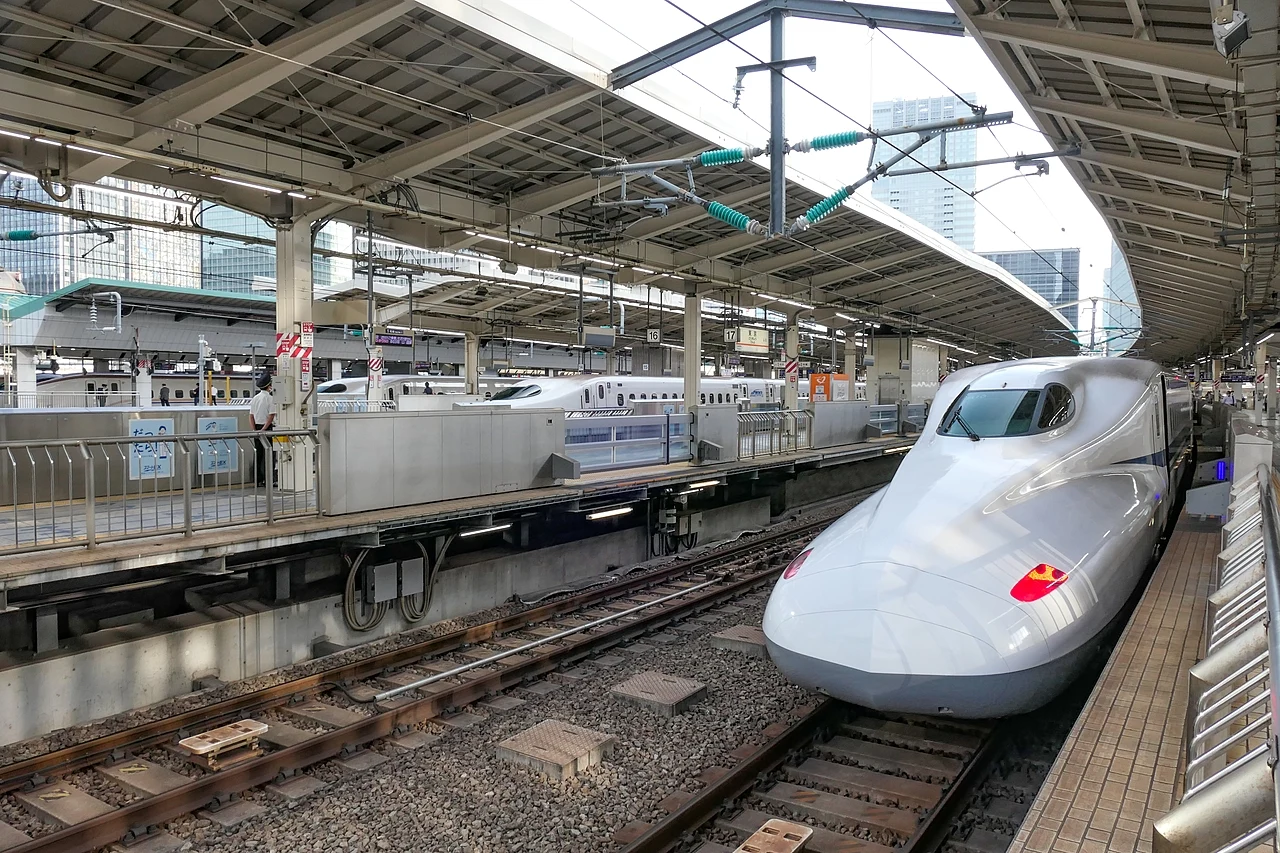
Ginza sits a 10 to 15 minute walk from Tokyo Station, where every Shinkansen line starts. If you plan day trips to Kyoto, Nikko or Karuizawa, or an early train out of the city, this saves real time. The Ginza and Hibiya subway lines reach Asakusa, Ueno and Roppongi directly, and the Tsukiji Outer Market is a 10 minute walk away.
Hotels and prices
Shinjuku has the widest range in Tokyo, from capsule hotels and hostels to business hotels, big international chains and the Park Hyatt. That competition keeps prices lower than in Shibuya or Ginza for the same quality, and you are more likely to find a room at short notice.
Shibuya’s redevelopment has added a wave of design-led hotels in the last few years, many with rooftop bars and city views. Rooms tend to be stylish but small, and true budget options are scarce.
Ginza and the nearby Yurakucho, Nihonbashi and Tokyo Station areas lean toward polished business and luxury hotels. Rooms are often a little larger, which matters if you have big suitcases or children. On weekends, when business travelers leave, prices can drop.
Atmosphere, food and nightlife
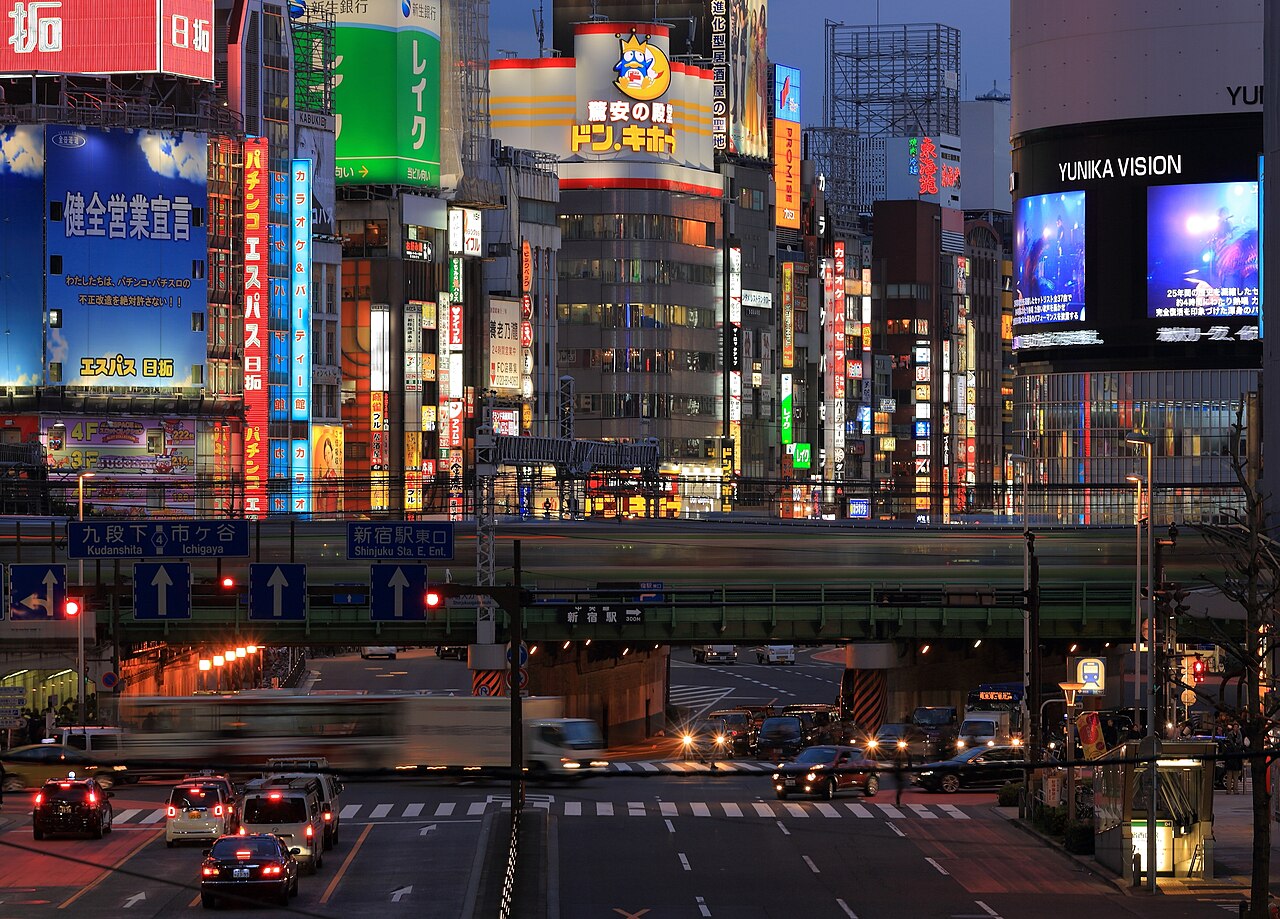
Shinjuku has two personalities. The west side is office towers and hotels, quiet at night. The east side has the department stores, the neon of Kabukicho, the tiny bars of Golden Gai and the smoky yakitori stalls of Omoide Yokocho. Shinjuku Gyoen garden offers a calm break during the day.
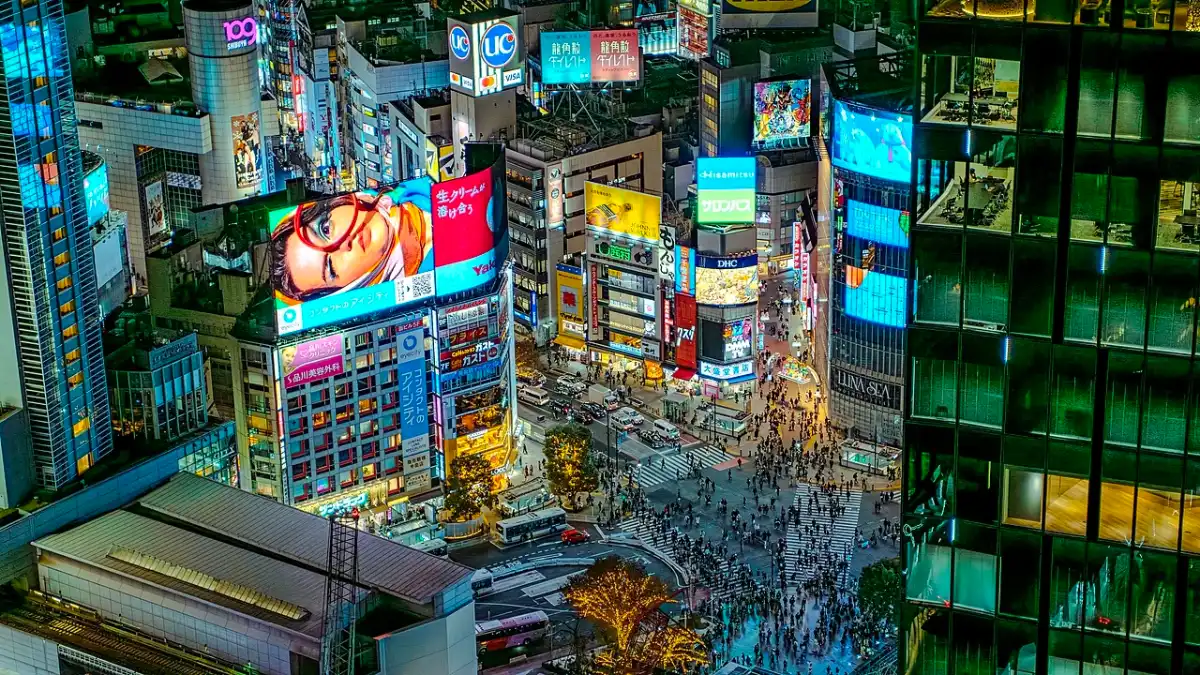
Shibuya is younger and trendier: the scramble crossing, rooftop views from Shibuya Sky, Center Gai’s shops and arcades, and good bars and restaurants in nearby Ebisu, Daikanyama and Nakameguro. It is lively until the last trains and beyond on weekends.
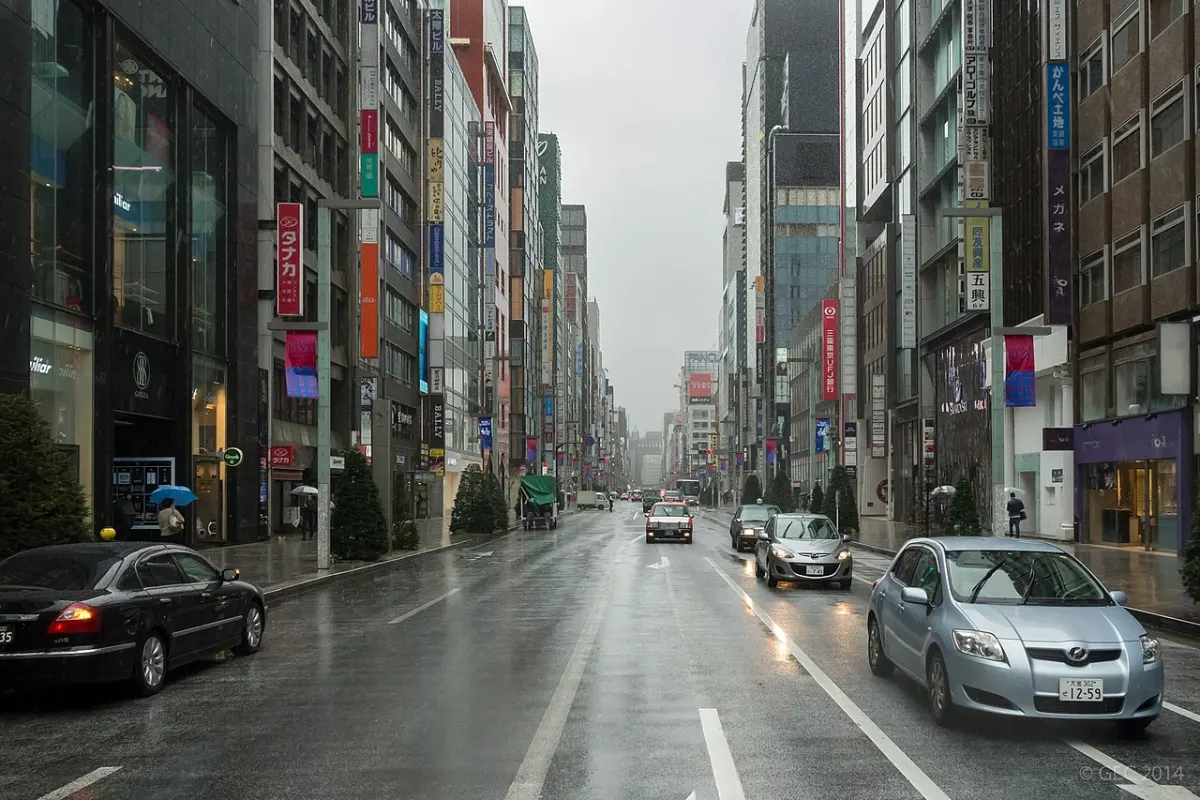
Ginza is about department stores, flagship boutiques and refined dining, from counter sushi to old-school cafes. On weekend afternoons the main street closes to cars. After the shops close it gets quiet, although the yakitori alleys under the tracks in Yurakucho stay busy into the evening.
Which area for which traveler
- First trip, short stay: Shinjuku. Easiest connections and the most choice.
- Day trips to Hakone or Mt Fuji: Shinjuku, without question.
- Shinkansen day trips or an early train to Kyoto: Ginza or Tokyo Station.
- Couples: Shibuya for nightlife and design hotels, Ginza for a quieter, more upscale stay.
- Families with young children: Ginza. Calmer streets and larger rooms.
- Teenagers and shoppers: Shibuya, close to Harajuku.
- Budget travelers: Shinjuku, or skip all three and look at Ueno or Asakusa.
- Light sleepers: Ginza, or the west side of Shinjuku.
Best streets to stay on
The area matters less than the exact address. In Shinjuku, aim for the west or south side of the station, or Shinjuku-sanchome, rather than deep inside Kabukicho. In Shibuya, look for hotels connected to or just south of the station, where the redevelopment is newest. In Ginza, anywhere between Ginza Station and Higashi-Ginza is ideal, and the Yurakucho side puts you closest to JR trains.
Whichever you choose, check the walking time to the nearest station on the hotel’s map. Five minutes or less makes a big difference after a long day of sightseeing.
Ready to compare hotels?
See prices in Shinjuku, Shibuya and Ginza for your dates.
Our verdict
For most first-time visitors, Shinjuku wins on value, choice and transport. Shibuya is the better pick if the city itself, its shops, cafes and nightlife, is the main reason for your trip. Ginza is the grown-up choice: quieter, more polished and the most practical if you will be riding the Shinkansen.
You can also split your stay. Two or three nights in Shibuya or Shinjuku for the city, then a final night near Tokyo Station before an early train, is an easy way to get the best of both.
Considering other areas too?
Asakusa, Ueno and Shinagawa compared in our full guide.
Photos: Shinkansen at Tokyo Station by MaedaAkihiko, CC BY-SA 4.0; Shinjuku at night by Martin Falbisoner, CC BY-SA 3.0. All via Wikimedia Commons.
More photos: Shibuya Crossing, Aerial by David Kernan, CC BY 4.0; Chuo-dori Ginza by Gary, CC BY-SA 2.0. Via Wikimedia Commons.